Rating: 6.5/10
Before horror hit the big screen, Ed Gein terrified the living, inspiring horror movies such as “Psycho,” “The Silence of the Lambs” and “The Texas Chain Saw Massacre.”
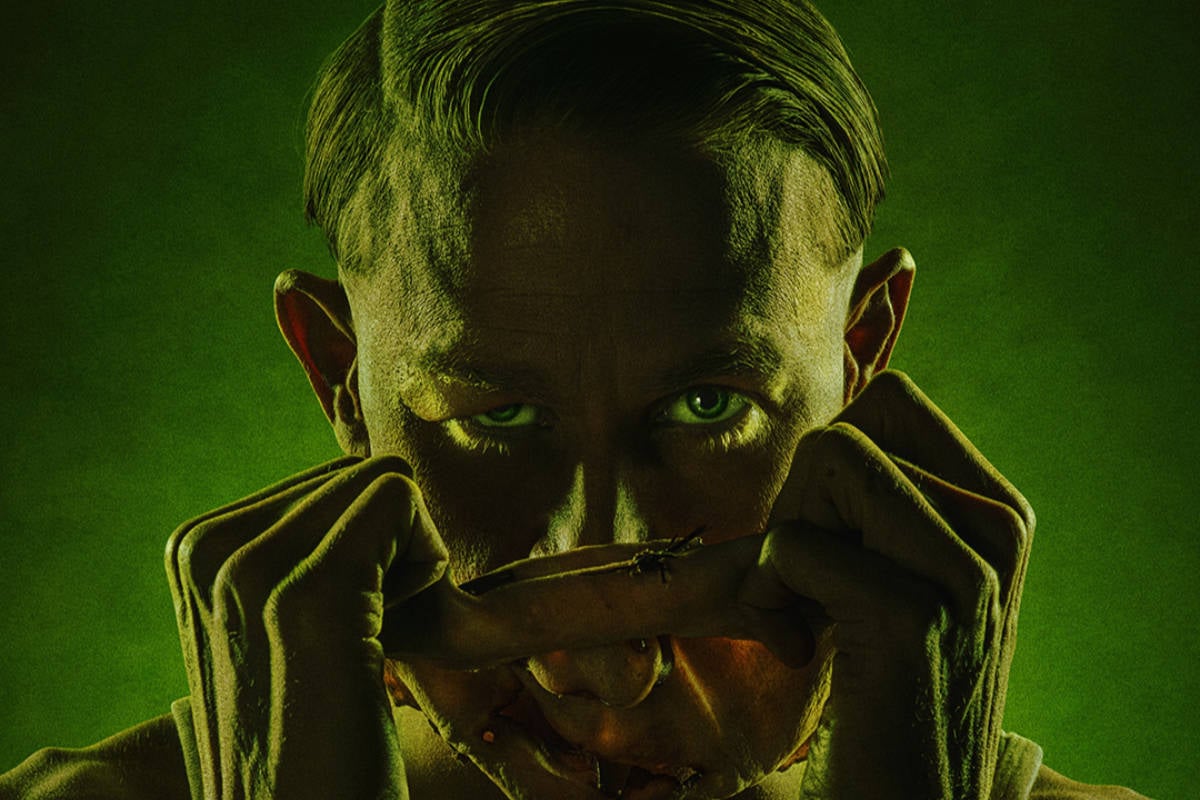
On Oct. 3, Netflix released the third installment of its crime drama anthology series, “Monster.” The series focuses on Ed Gein, an American murderer known as “The Butcher of Plainfield.” Charlie Hunnam plays the lead role of Ed Gein and served as an executive producer for the season.
The “Monster” series dramatizes the stories of, for lack of a better word, monstrous killers. Season one shocked audiences with the horrifying world of Jeffrey Dahmer, and season two unraveled the conspiring case of the Menendez brothers.
Get The Daily Illini in your inbox!
Season three opens with the episode “Mother,” which introduces audiences to the withering relationship within the Gein family. Augusta Gein, Ed Gein’s mother, was strictly religious, and it translated to the way she responded to her son’s pursuits and ambitions, dissenting the thought of him and his older brother being with women.
Viewers are immediately pulled into the taunting, bone-chilling eeriness of the Ed Gein story in the first episode. The series wastes no time showcasing the twisted world of Ed Gein. It dramatizes the fateful argument between Ed Gein and his older brother Henry Gein, a confrontation that ends in Ed Gein’s first suspected kill and marks the beginning of his disturbing obsession with obeying his domineering mother’s wishes.
Though only two murders were ever confirmed, Ed Gein’s true body count may have been higher. The series doesn’t shy away from this dark speculation, portraying the pivotal moment that may have set Ed Gein on a path from quiet loner to legendary killer.
Episode two explores the world of “Psycho,” focusing on the complications Anthony Perkins had in his personal life, along with his experience portraying Norman Bates, the lead character inspired by Ed Gein. The transition from Ed Gein’s real-life crimes to the development of “Psycho” can feel disorienting, as the series switches between years rather quickly.
Addison Rae guest stars as Evelyn Hartley, a 14-year-old babysitter who went missing in La Crosse, Wisconsin, and is a suspected victim of Gein.
Rae’s performance in the series was both impactful and traumatizing. Her scene with Hunnam depicts the possible inspiration for the graphic “Hit her, grandpa!” scene in “The Texas Chainsaw Massacre.”
“I’ve never worked on a production that felt so intentional in every piece,” Rae said in an interview with Netflix. “That is really inspiring to be around.”
That intentionality is key in portraying the deaths of Mary Hogan and Bernice Worden, Ed Gein’s confirmed victims. Each was given her own episode depicting occurrences that led to her demise; the most common thread being Gein’s obsession with middle-aged women who resembled his mother.
The most complicated relationship within the series is that of Ed Gein and his alleged girlfriend, Adeline Watkins. Played by Suzanna Son, Watkins had an obsession with photos of death, heavily inspired by Weegee.
It’s suspected that the works of Ilse Koch, a Nazi known as “The Witch of Buchenwald,” influenced Ed Gein.
The series explores his obsession with skinning, referencing how the real Ed Gein may have owned comics about Koch and her horrific crimes. It builds on this by showing how Gein’s schizophrenic tendencies, combined with his fixation on Koch, led to the development of a voice in his head, one he believed belonged to his dead mother.
This ultimately drove him to dig up the graves of middle-aged women to use for experiments and similar tactics that Koch performed.
Watkins’s contribution to the series pulls the curtain back to unveil a personal look at Ed Gein’s life, aside from the murdering and skinning. Watkins acts as both a partner and enabler, intriguing Ed Gein with suggestions and ideas.
The series leans into psychological speculation to fill in the blanks of Ed Gein’s twisted motivations, and it’s these creative liberties that have sparked conversation.
The “Monster” series has sparked discussions online about the fictionalized elements included in the portrayal of the featured killers. For instance, Ed Gein cross-dressed in the show to feel more connected to his mother, putting on dresses and lacy undergarments, but no evidence supports that he did this in real life.
This season lacked storytelling about Ed Gein’s psychology, focusing more on his grotesque behaviors and killings than on his thought process.
As with previous installments, “Monster” continues to push boundaries, raising important conversations about the ethics of dramatizing real-life atrocities for entertainment. Whether this approach offers meaningful insight or simply capitalizes on the story and name of the killer is up to the viewer.
One thing is certain: before he ever haunted the silver screen, Ed Gein terrified America. And, thanks to “Monster,” that legacy of horror is now more vivid, controversial and terrorizing than ever before.