**This column contains small spoilers**
“The Fantastic Four: First Steps” is a brushstroke of strategic genius from Marvel.
Krystine Batcho, professor of psychology at Le Moyne College, describes two kinds of nostalgia: historical and personal.
Historical nostalgia is “more oriented toward history and society across the years.” For example, the use of 1950s-60s utopian science fiction: flying cars, automated kitchens, sleek and colorful interior design, cartoonish graphics and patriotic narration.
Get The Daily Illini in your inbox!
Personal nostalgia is “longing for or feeling good about aspects of your life that you already lived through and have stored in your memory.”
From retro talk shows to fun little cartoons and a Jetsons-esque penthouse, “The Fantastic Four” wasted no time capitalizing on both styles of nostalgia. The opening Marvel title card is a cute, comic book-ish graphic in the un-intimidating blue color of the titular superheroes. Historical nostalgia? Check.
While Marvel movies — this one in particular — can be enjoyed by anyone, their target audiences are two main groups: older people who grew up reading the comics and playing with the action figures, and twenty-somethings who were tweens and teens when Marvel Cinematic Universe movies were in their prime.
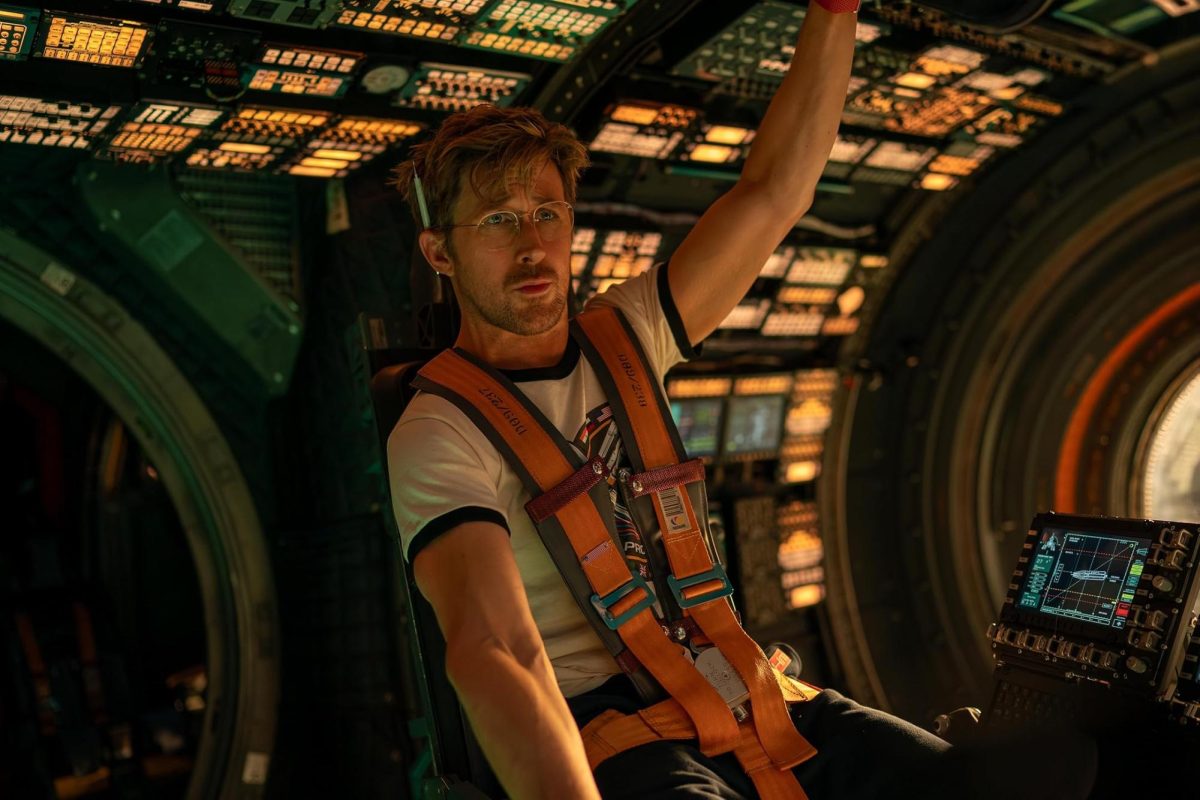
The opening shot of the film is of the Baxter Building — which looks awfully similar to the Avengers Tower from the original 2012 Avengers movie, often considered one of the peaks of the MCU.
The film also includes action figures and old-fashioned cartoons that resemble 1960s cartoons like The Jetsons and super fun, cheesy villains like “Mole Man,” bringing back a less reality-, more comic-focused vision to the franchise.
For all the parents watching this movie in theaters, the film stars an incredibly cute and lovable baby. What better way to make a viewer smile than a cute baby who reminds a parent of the happiest moment of their life?
Personal nostalgia for Marvel’s target audiences? Check.
The “jaunty vibe” of the “Fantastic Four” musical score is also critical: It’s upbeat, easy to listen to and, most importantly, optimistic — as is the whole film. Composer Michael Giacchino’s score represents the thematic purpose of the film in general: to capitalize on strong themes of family and humanity in a world threatened by seemingly insurmountable forces.
So, why is “The Fantastic Four” so genius?
Adaptability. Author Peter Economy says adaptability “means regular horizon scanning for emerging trends.”
What are some of the most successful TV shows in recent years? How about “Succession,” “Schitt’s Creek,” “Ozark” and “The White Lotus?” All about families in unique circumstances.
What won Best Picture at the Oscars two years ago? “Oppenheimer,” a movie full of World War II historical nostalgia. What was the highest grossing film of 2024? “Inside Out 2,” a Pixar film reliant on personal childhood nostalgia with characters and viewers alike.
Oh, and the composer, Giacchino? He’s also the composer behind a slew of classic Pixar movies, including “Up,” “Inside Out” and “The Incredibles” — another fun movie about a family of superheroes.
As Sam Zises, CEO at Learned Media, says, “Throughout all historic moments of … uncertainty in America, we can notice an uptick in nostalgia.” People pine for simpler times during environments of uncertainty.
Insiders have been warning of an economic recession and news media (the ones that aren’t being defunded) are capitalizing more and more on crises to induce fear in viewers.
The leader of the free world is focusing on posting fictitious AI-generated videos of Barack Obama being forcibly arrested by the FBI in the Oval Office, instead of his connections with a convicted sex trafficker.
What better time for a nostalgic movie about family?
Marvel took a step back and looked at what they did wrong. They had been criticized for sloppy visual effects, lazy cinematography and action-packed stories that lacked concrete human narratives. They responded with “Thunderbolts” and “First Steps,” two of the best-looking and most character-focused Marvel movies ever.
President of Marvel Studios Kevin Feige reportedly met with the visual effects team from “The Creator,” a film recognized for its striking visuals and surprisingly cheap visual effects budget.
Marvel also looked at what others are doing and did something … different. Almost all of the trailers preceding my theater experience were horror movies: “Weapons” and “Five Nights at Freddy’s 2,” for example. Ari Aster’s “Eddington” — also starring Pedro Pascal — is a two hour 25 minute dark comedy about the recent pandemic and political struggles. It was just released to polarizing reviews and a disappointing box office.
The latest installment in the MCU? A breezy one hour 55 minutes. We’re introduced to the superheroes and their world, the problem is presented, they work to solve the problem.
And then they save the day! Everybody loves watching the good guys win. Especially if it’s Pedro Pascal and a cute baby.
Marvel has officially adapted. They struggled toward the end of Phase Four and into Phase Five to maintain appeal to an audience craving something fresh — or, in this case, something familiar. Marvel paid attention to emerging social and societal trends, and with “Thunderbolts” and now “First Steps,” they’ve proven themselves yet again.
Just like Mr. Fantastic’s superpower, Marvel’s genius lies in their flexibility to changes in demand in the entertainment industry.
“The Fantastic Four” is a simple movie. That, in itself, is its brilliance. It’s a fun movie about family, and it’s fun for the whole family. What’s not to love?
Perhaps it’s the “First Steps” to another era of great Marvel movies.
Alex is a sophomore in LAS.