Rating: 8/10
Mitski’s newest album, “Nothing’s About to Happen to Me,” crafts a narrative that’s as distinct as it is familiar. She creates the character of a woman, and the album focuses on her isolation within her house as her anxieties compound. This album’s inspiration came from Mitski reading the first chapter of Shirley Jackson’s “We Have Always Lived in the Castle.”
Sitting at just under 35 minutes, “Nothing’s About to Happen to Me” uses its time wisely. Mitski introduced this album with the lead single “Where’s My Phone?,” paired with a feverish, visually striking music video. Already, this release hinted at the Shirley Jackson-inspired house motif that the album would develop, and kicked the album’s run off with an ominous, disorienting tone that would crescendo in later tracks.
The album features distorted guitar riffs and synth-heavy instrumental breaks that feel reminiscent of her older works. At the same time, this new release continues her shift into a more muted, folksy-country sound marked by her previous album.
The song “I’ll Change for You” features some of the most interesting production on the album. It’s a little jazzy and loose, and continues the detached feeling introduced by previous tracks.
Get The Daily Illini in your inbox!
As Mitski sings about failing to find bars as magical as she once did, you hear glasses clinking and laughter blended into the back of the song. These auditory choices further the sense that the narrator is growing more and more dejected and isolated from the world around her. The stark disconnect between the song’s lyrics and sound is one of the best, most creative moments of the album.
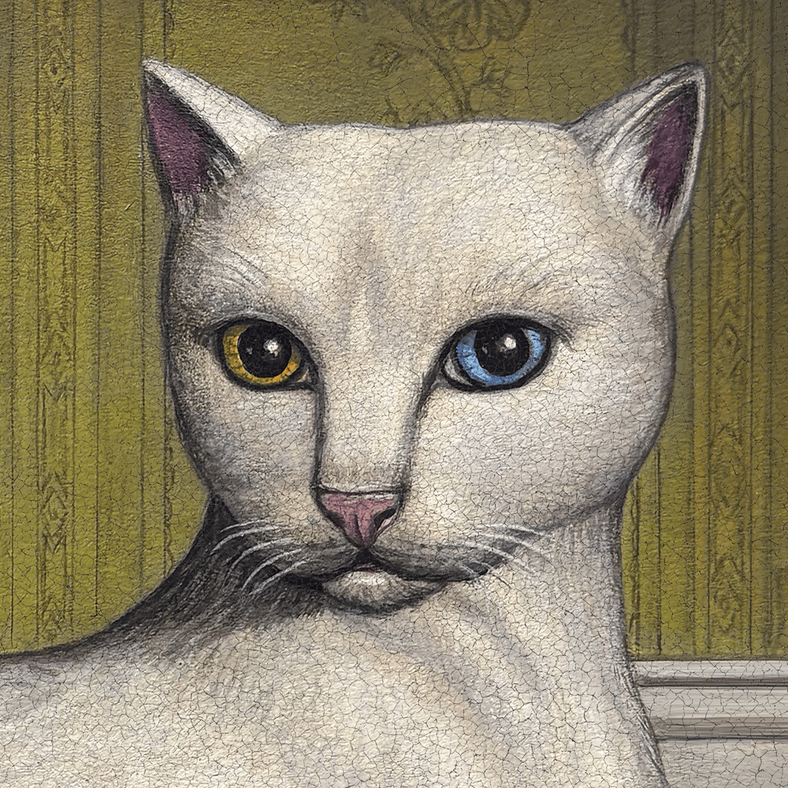
“That White Cat” introduces a tonal shift, thumping with a sense of urgency. The house imagery is at its most developed here, with the narrator feeling like she’s losing her house to a street cat. She gets wrapped up in trying to provide for this cat and walks through life as if it were an obligation to keep the cat alive.
The same themes continue in the next track, “Charon’s Obol,” as some background choral singing adds a strangely comforting touch to an otherwise bleak song. Out of obligation to the animals around her, the narrator has chosen to live and provide.
“She took it on to start a new life in that house” signals a shift away from the album’s previously resigned attitudes and brings forth a somewhat hopeful sign.
“Lightning,” the closing track, is the album at its best. Its messy production and guitar-riffs feel reminiscent of Mitski’s third album, “Bury Me at Makeout Creek,” which is also one of her strongest works.
As the instrumentals heighten and Mitski’s voice rises to match them, the album ends with a longing — the narrator wants to start life all over again, but this time, more connected with the natural world around her.
The album ends with a rejection of the isolation that was present up until the final tracks. Instead of the concrete house, the narrator yearns for the natural elements, signalling a new willingness to be a part of the world.
“Nothing’s About to Happen to Me” is a powerful album that showcases Mitski’s unique ability to examine sadness as an all-consuming, life-impacting condition, rather than just any other emotion. She weaves together a cohesive narrative that feels deeply personal, yet resonant with anyone who has felt that their sadness has kept them from living the life they want.
For those who choose to believe this album ends on a silver lining, it’s also a push to try and embrace the world, rather than hide from it.