Green Street is the heartbeat of the University’s campus, but its food culture has taken on a life of its own.
Asian restaurants create a vibrant culinary landscape that reflects the diversity of the student body at the University. You can find spots like Signature Grill that offer rich, aromatic dishes like curries, biryanis and chaat specials. South Asian students can find the flavors they grew up with, while also introducing others to Indian cuisine.
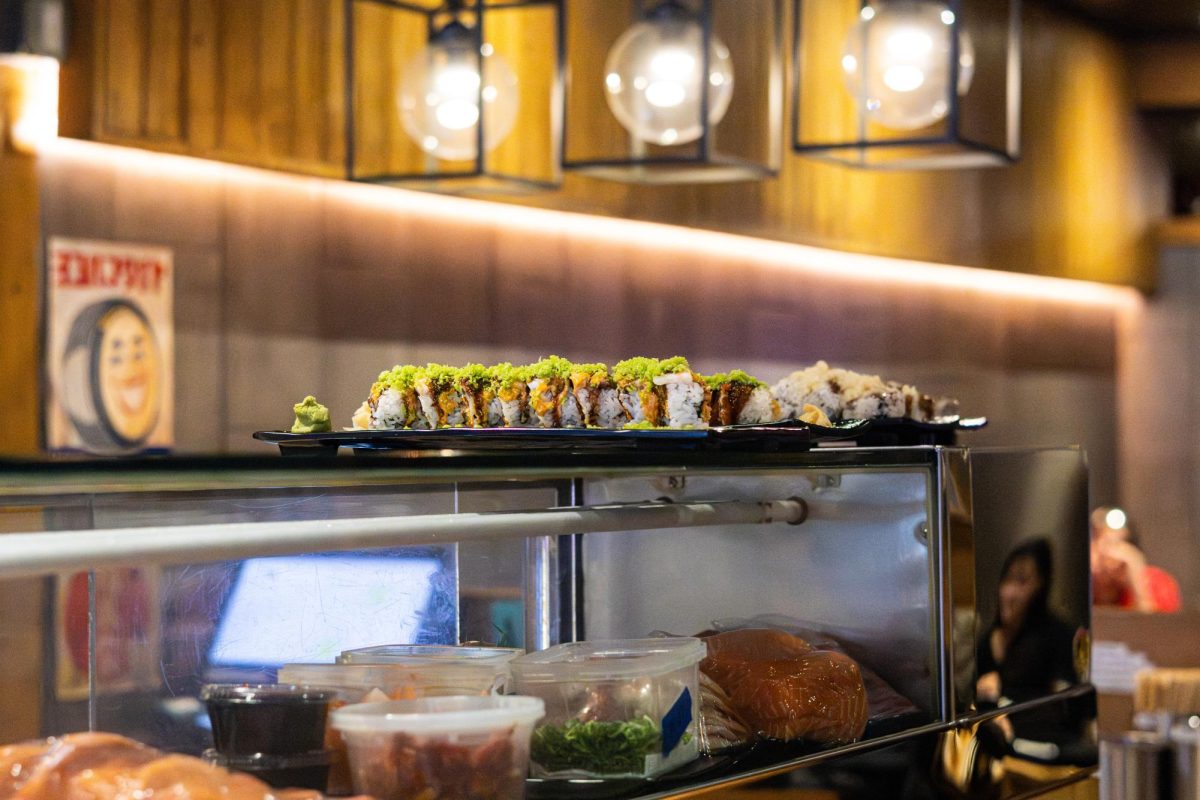
A few steps down, Bangkok Thai brings a completely different profile to Green Street, serving favorites such as pad thai and Thai curries known for their balance of sweetness, spice and freshness. Meanwhile, Sakanaya, a small food joint, is packed with students eager for sushi rolls and udon, offering vegetarian and vegan options.
The restaurants combined showcase how globally-influenced Green Street is, offering students a world of flavors within a single stretch of campus.
This diversity shapes how students connect with each other, explore new cultures and find new “must-visits” in Champaign-Urbana.
Get The Daily Illini in your inbox!
One example of the intertwined cultural and culinary impact can be seen at Susuru Ramen, a popular ramen bar offering varieties of one of Asia’s crowd favorites. Manager Ayden Liao says its presence fills a unique niche on campus.
Beyond comfort, Liao sees ramen as a symbol of cultural representation.
“I think the tonkotsu will be the best thing representing Japanese culture because it’s a pork-based broth with a pork meat ramen, and it is special because the U.S. doesn’t take pork as a main protein source,” Liao said.
Asian restaurants focus on ensuring students receive a dining experience that is culturally-rooted to the best of their ability. Above all, he credits the thriving Asian food scene on Green Street to student enthusiasm.
“The students’ demands on Asian restaurants are strong,” Liao said. “That’s why so many Asian restaurants can stay alive on the campus. If people don’t like Asian food, they’ll be shut down.”
That same balance of affordability, authenticity and comfort is seen at Naya, an Indian restaurant on Green Street.
“As the name suggests — Naya — the restaurant is new, and it is different from other restaurants on Green Street, as Naya feels approachable and welcoming by bringing Indian food at a cheap price,” said Gurpinder Singh, a server at Naya. “The students that come here have busy schedules, so they are happy to eat Indian food at a cheap price with good quantity and quality.”
That demand is clear when talking to first-year students starting a new chapter of their lives, especially international students coming from Asia. Teisha Rawat, freshman in Engineering, admits she wasn’t sure what to expect.
Rawat admitted that she initially had doubts about the Asian restaurants on Green Street. However, her experiences shifted her expectations.
For students, Asian restaurants provide both comfort and connection, especially for a student like Rawat from India.
“I have eaten shawarma rolls from Shawarma Joint, and I believe this is the closest thing you can get to the street food you get in India,” Rawat said.
The accessibility of familiar flavors helped her through the adjustment period as an international student.
What surprised her the most was that she had expected the area to be dominated by American food, so the variety of Asian options made it easier to decide where to eat.
Beyond familiarity and taste, she said food fosters friendship.
“Having Asian food around us helps us get closer to people,” Rawat said. “You tend to go with friends and with people who belong to different ethnicities and countries. Connecting is the best with food.”
With a plethora of cuisines, the diverse Asian restaurants on Green Street don’t just satisfy cravings after a long school day, but they also cultivate community and spark cultural exchange.
From a steaming bowl of ramen on a snowy night to picking up a quick shawarma roll between classes, Green Street’s diverse Asian restaurants define the statement “Home is where the heart is” — and for many, it is the food.