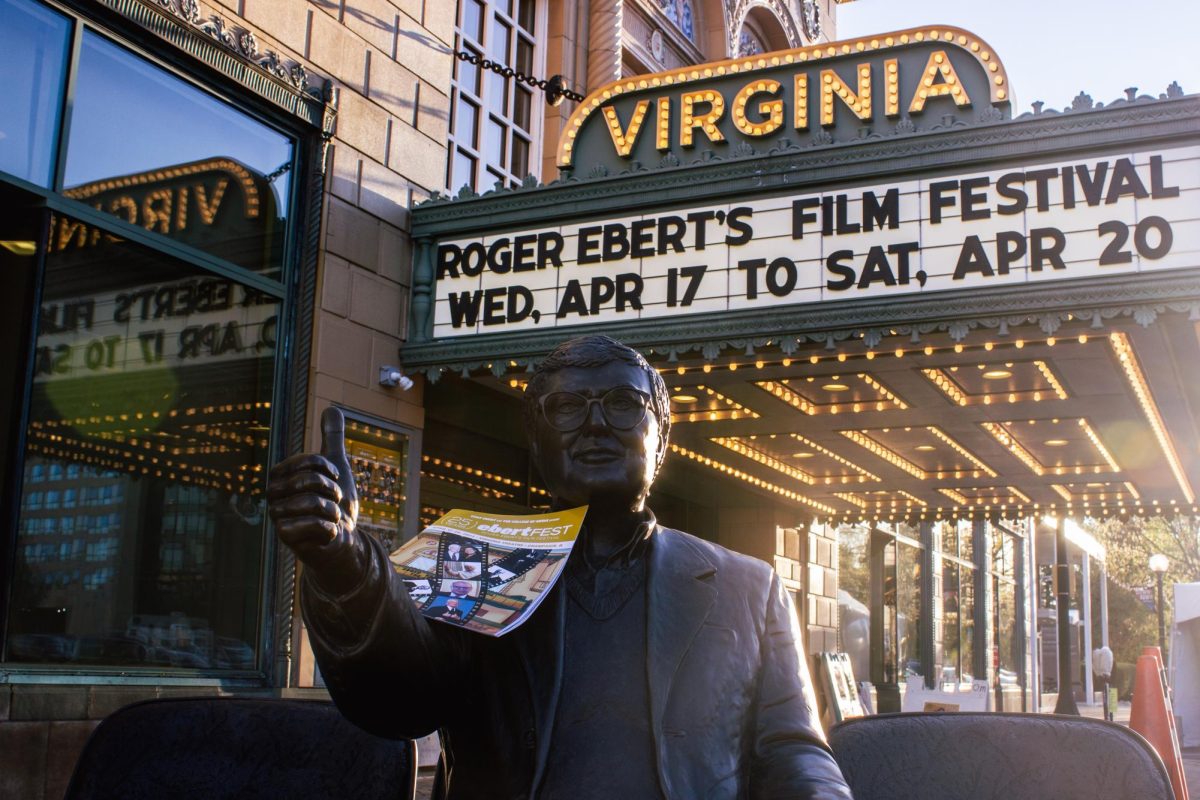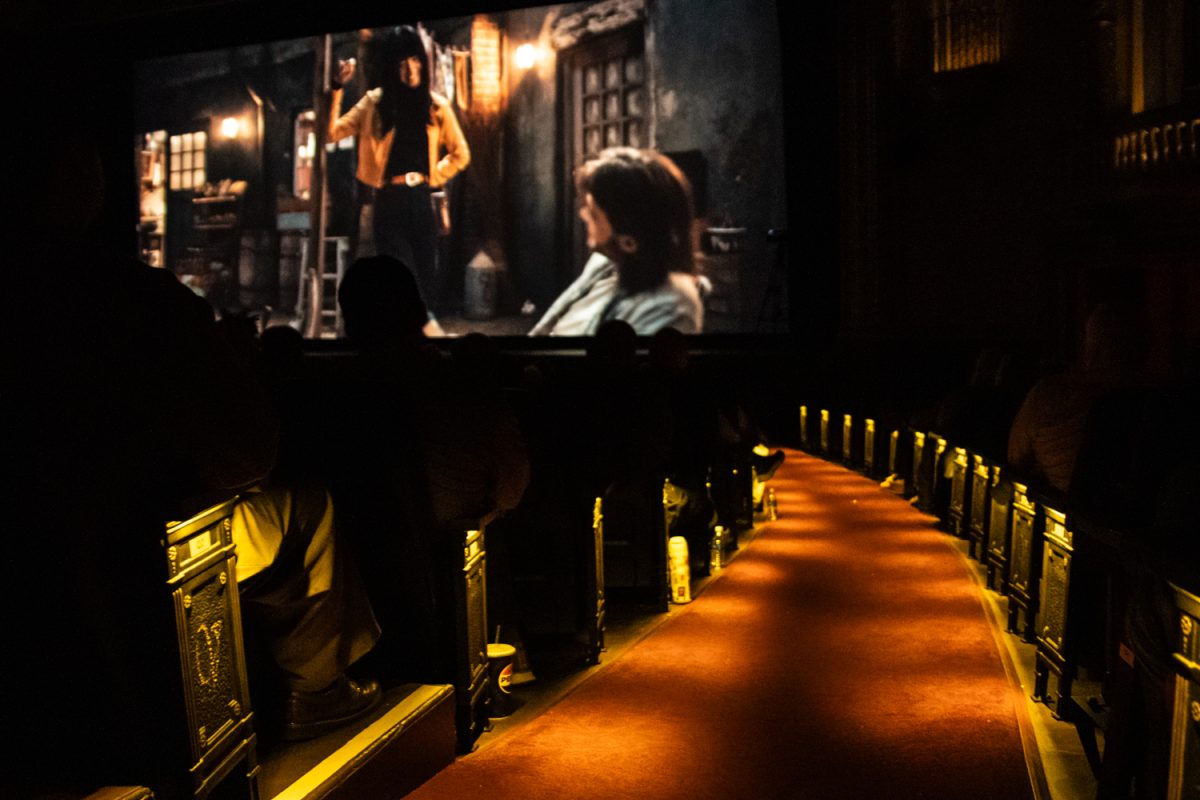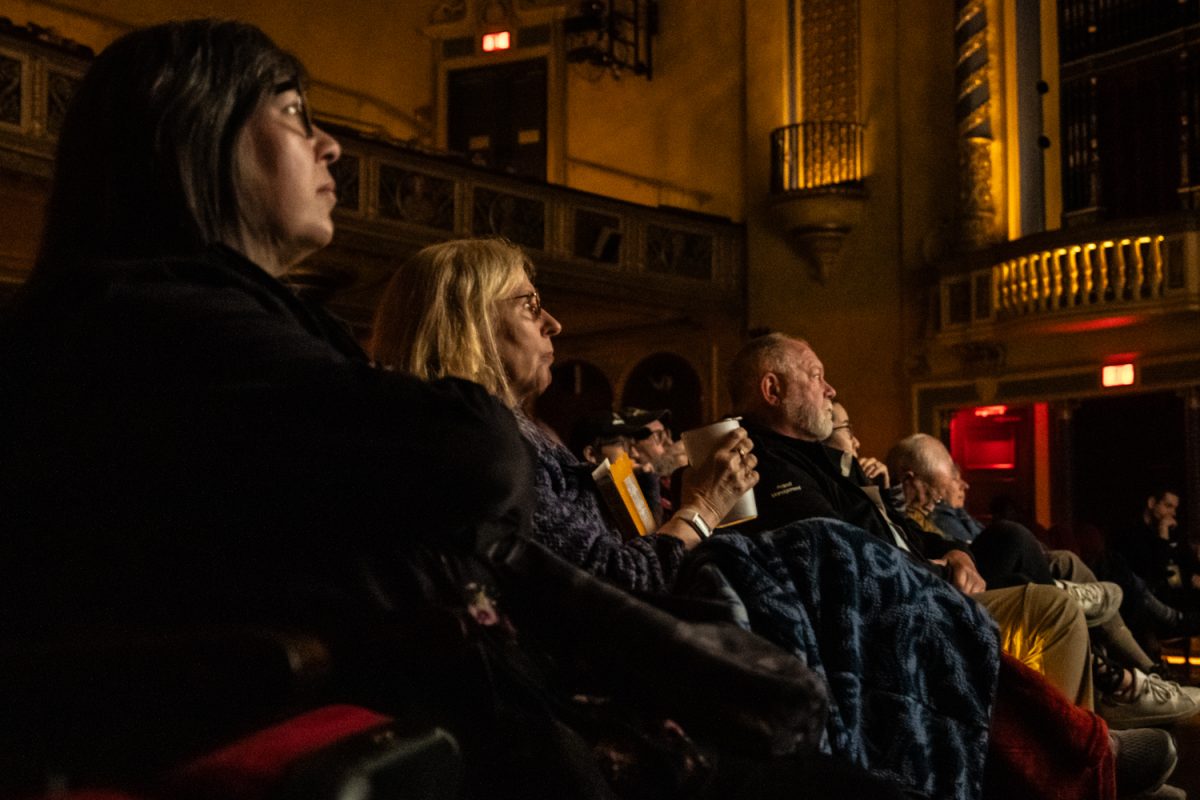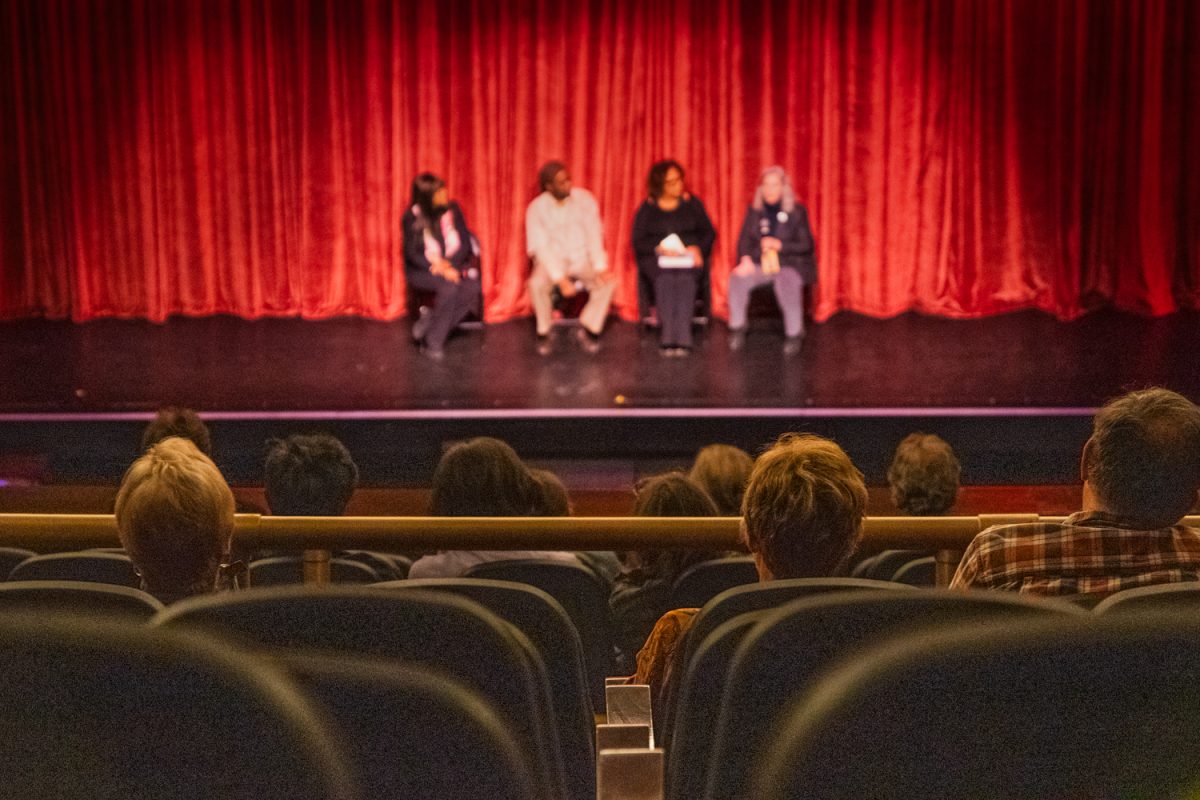
For more than 25 years, Ebertfest brought together filmmakers, critics and students to Champaign’s Virginia Theatre every April to watch and discuss films typically overlooked by audiences and critics of the industry.
The weekend-long festival, held by the University’s College of Media in honor of late alumnus and prolific film critic Roger Ebert, has received numerous high-profile guests in years past, including Tilda Swinton and Spike Lee, and won a Tourism Impact Award from Experience Champaign-Urbana just last year.
The sudden announcement of its discontinuation was a painful surprise for many of its supporters, including filmmaker and collaborator with Champaign-based Shatterglass Studios Kevin Lau.
“Everyone has been too shocked to really mourn,” Lau said, who has produced long-form documentary advertisements for Ebertfest since 2019. “I felt like Ebertfest was really hitting its stride in 2024 and 2025, getting over COVID, I was like, ‘Wow, what is next year’s festival going to bring?’ … It just feels like it was cut right when it was hitting its rebirth.”
Ebertfest was unique in its film selection process; rather than accept submissions, the Ebertfest Film Committee, which included Ebert’s wife Chaz and Festival Director Nate Kohn, strived to present films they believed would reflect Roger Ebert’s original intentions. The late critic founded the festival to celebrate the industry’s more under-recognized genres and mediums, such as silent films, local films and documentaries.
Get The Daily Illini in your inbox!
Lau worked on “Albany Road,” a movie that held its premiere at the 2024 Ebertfest as one such selected work.
“Having something where (the Ebertfest Film Committee) saw (“Albany Road”) and they were like, ‘Yeah, we want a local premiere in the town where it was filmed,’ that was great,” Lau said. “The (Ebertfest) Film Committee has always tried to choose films that Roger would have loved, and you feel that energy with each movie selected; it’s part of the magic of Ebertfest, in a way.”
Ebertfest’s connection to the College of Media and, by extension, the University community, also provided a gateway into film appreciation for students like Ayana Patidar, senior in LAS and Engineering, and Ria Bawiskar, senior in LAS and Engineering.
Patidar, an avid cinephile far before they discovered Ebertfest, attended in-person discussions with filmmakers and an exclusive screening of the film “Megalopolis” last April at the festival. They said the experience elevated their appreciation for the medium, not only as a film buff but as a student who shares Ebert’s Alma Mater.
“If you come into (the University) knowing even a little bit about film, chances are you stumbled upon Roger Ebert reviewing something,” Patidar said. “Within our film club, we’re often bringing up Roger Ebert quotes, not just because we agree or disagree with him, but because it’s like, ‘Look, this is the guy from here. He’s just like us.’”
Patidar and Bawiskar, who are both on the executive board for the Illini Watchers, only recently raised enough money from the Student Organization Resource Fee program to attend their first Ebertfest as a club earlier in April. They say their experience of fundraising and attending the festival as a club was a “cool commitment” that provided them with a unique outlet as students to explore film as an art.
“We talk about films in our club, but getting the rare experience to talk to the directors and the people involved with the production of a film (during Ebertfest) is a whole different experience,” Bawiskar said. “I think that the discussions they had (with the Ebertfilm guests) have shaped the way a lot of our members engage with film.”
Despite Ebertfest’s looming absence this coming April, Roger Ebert’s legacy at the University continues to live on in new ways. The Roger Ebert Center for Film Studies, founded in 2022, hosts open lectures and occasional movie screenings of its own at the Spurlock Museum.
Other community members are already hosting alternatives — “not replacements,” Lau said — to remedy the cultural vacuum left behind by the festival’s closing. He points to Nat Dykeman’s Savoy Lumière, a similar film festival that opened just last year, as a suitable fix for ailing cinephiles in search of Ebertfest-esque events this spring.
Ultimately, Lau believes that the humble power of communities that support local film events and foster camaraderie through the medium, like the Illini Watchers, is the best way to preserve Ebert’s life’s work.
“I would say the best thing that we can do to keep the legacy of Ebertfest alive is to generally just keep movies alive, keep the theatergoing experience alive,” Lau said. “As long as we’re supporting movies, not just financially but socially, even in our current times when the media is being challenged by the government, that’s the best thing we can do.”