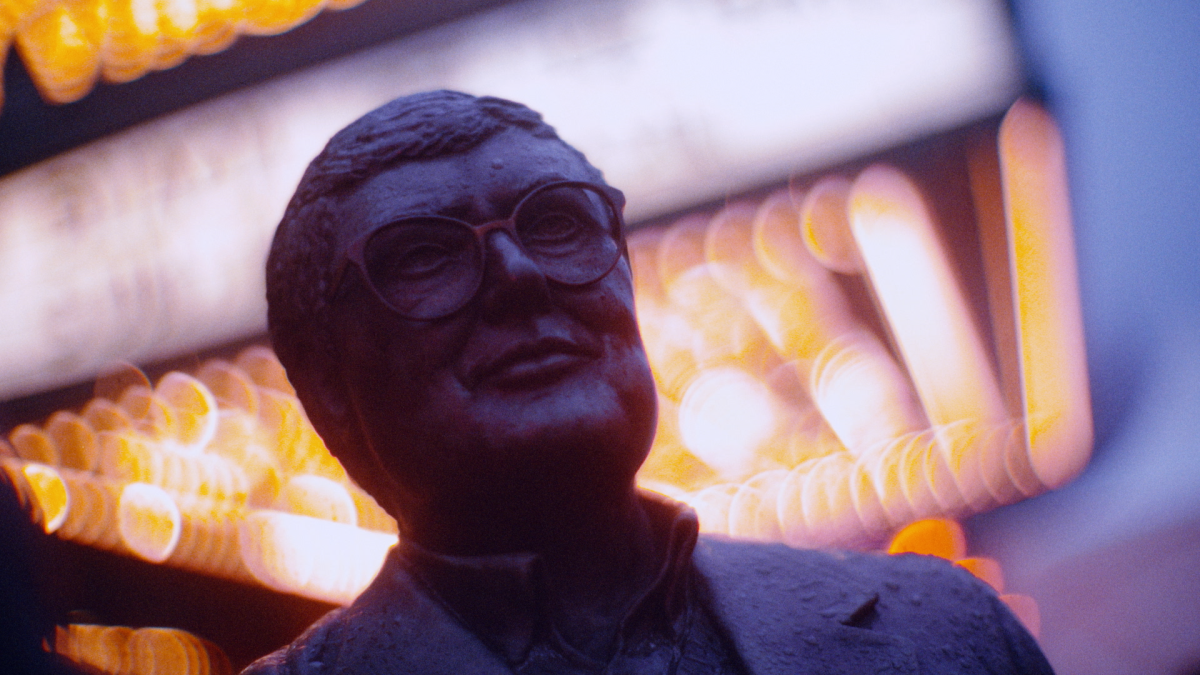
A new documentary set to premiere at Ebertfest: The Last Dance this month turns its focus to the man behind it all — Roger Ebert.
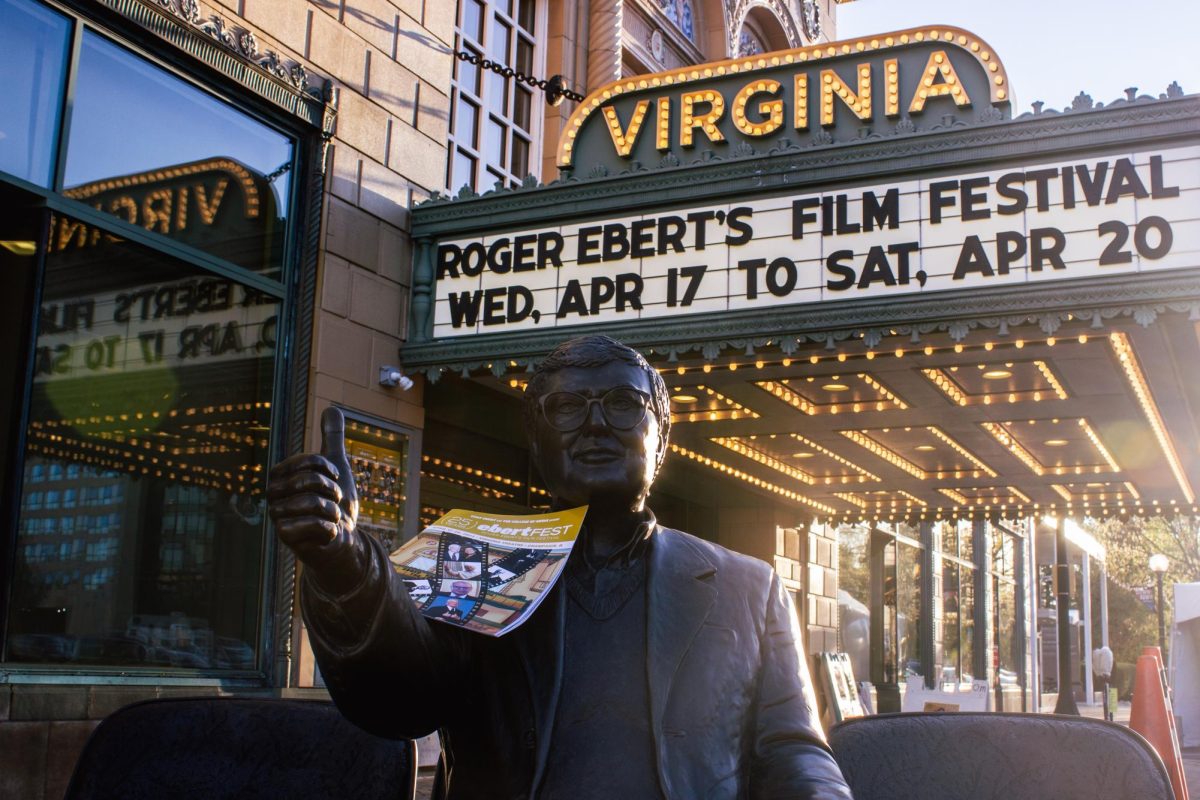
“The Last Movie Critic,” directed and written by Luke Boyce and Michael Moreci, will screen during the festival’s final run April 17–18 at the Virginia Theatre. The film examines Ebert’s legacy as both a critic and a cultural figure, while tracing the history and significance of the festival he founded in 1999.
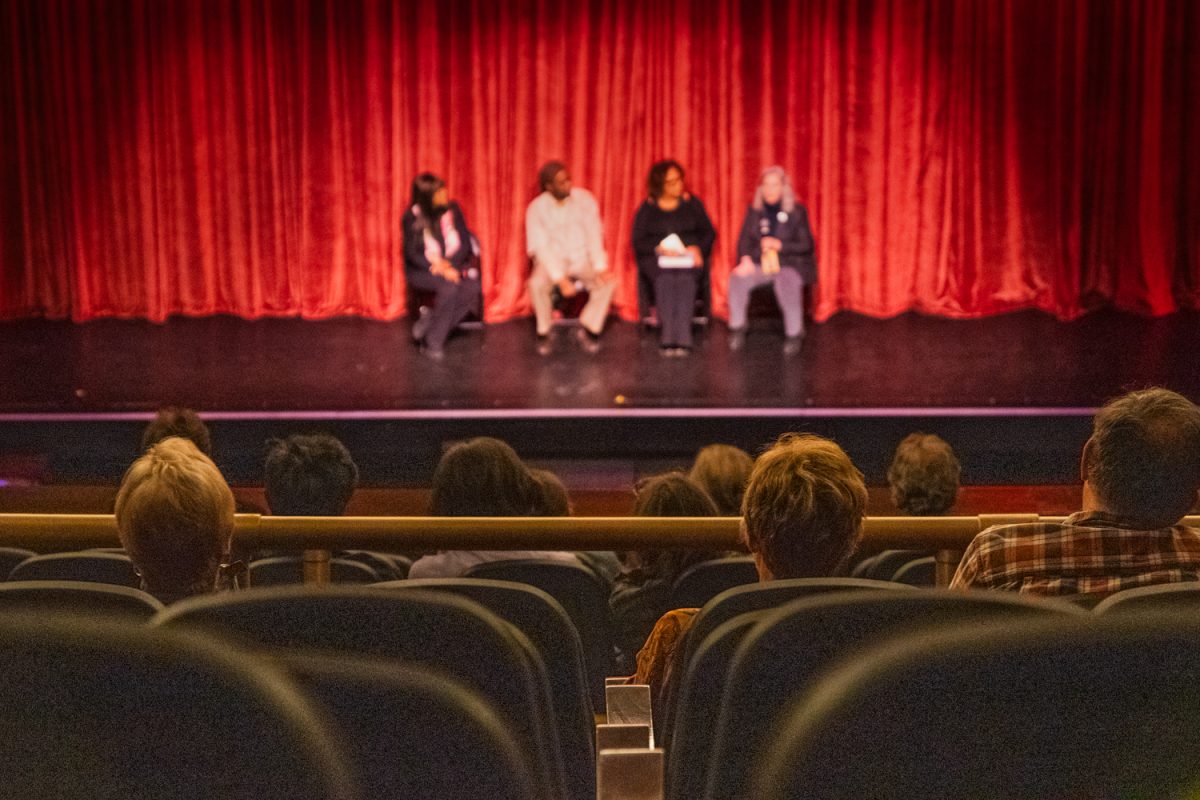
Ebertfest has long emphasized conversation surrounding cinema. Since its beginning, filmmakers and audiences gathered to experience a curated selection of films alongside Q&A discussions with those involved in bringing the work to life. This year’s final edition will feature several films over two days, marking the end of the historic 27-year event.
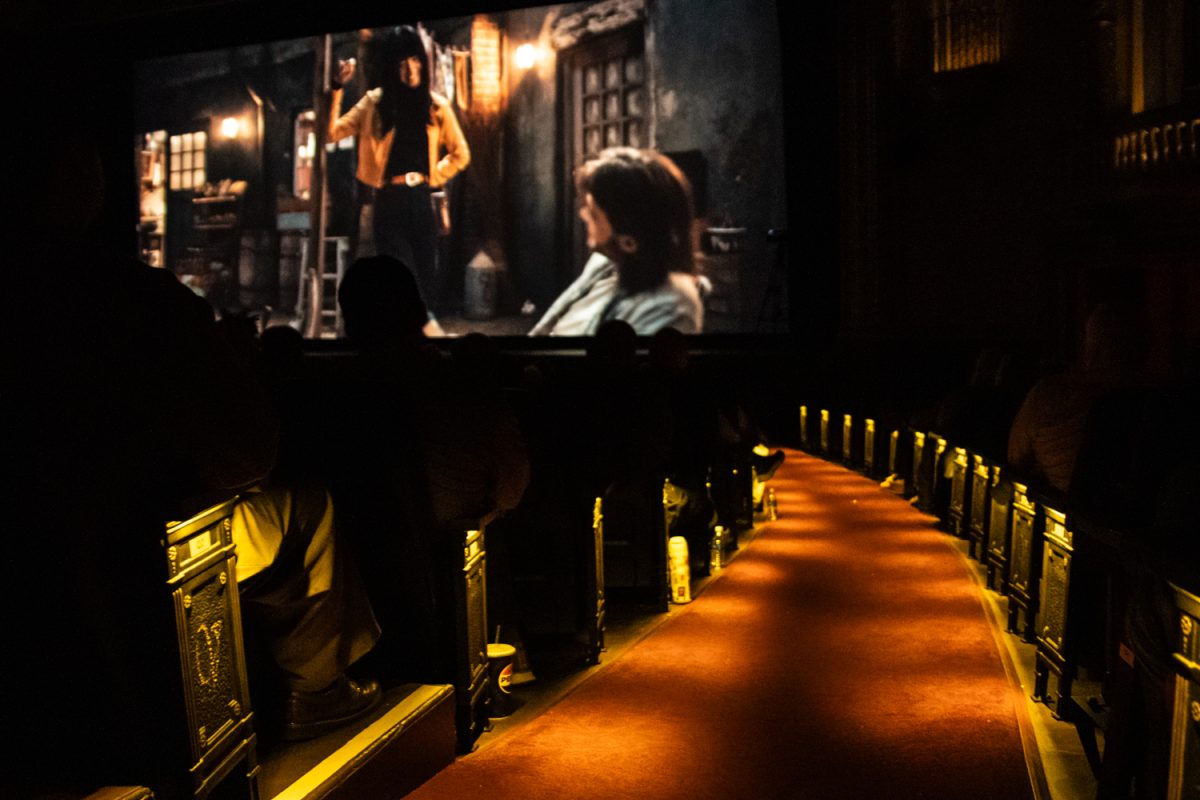
“I feel like watching this film in the beautiful Virginia Theatre with over a thousand people next to you, it’s going to be like watching a home movie with your family,” said Producer Brett Hays.
For a young cinephile like Boyce, Ebert’s influence began by watching him on TV.
Get The Daily Illini in your inbox!
Growing up in Cissna Park, Illinois, Boyce relied on “Siskel & Ebert” to introduce him to films since the town didn’t have a movie theater. The nationally televised review show featured Ebert and Gene Siskel debating and analyzing new releases each week. The show, he said, shaped his appreciation of cinema.
“It’s just something about growing up in that era, where Roger and Gene Siskel (became) the voices of how you understand and watch a film,” Boyce said. “Without even realizing it, you understand that they’re teachers (who) are teaching you vocabulary.”
Boyce said that way of engaging with film heavily inspired his work in “The Last Movie Critic.”
In 2011, Boyce began filming short retrospective documentaries at Ebertfest. Here, he captured many interviews with attendees and filmmakers, documenting the atmosphere of the festival.
After Ebert’s death in 2013, one of those retrospectives won an Emmy, leading Boyce and his collaborators to consider expanding the project into a feature-length documentary.
Boyce’s team completed an initial version of the film in 2015, then reworked it after deciding it focused too heavily on promoting the festival. The revised approach centered around Ebert’s philosophy — how he used film as a way to engage with others and understand human experiences.
That perspective is also reflected in the structure of Ebertfest, according to Boyce.
“Roger literally invites everyone (at Ebertfest) to come watch movies that he’s programmed,” Boyce said. “He’s going to introduce everyone, and he’s going to talk to the filmmakers afterwards. … It’s Roger inviting you to his place to watch movies and talk about them. In the world of film festivals, it’s completely unique.”
The documentary itself incorporates multiple narrative elements: archival footage of Ebert, segments on the history of Ebertfest and stylized sequences featuring Michelle Husain, a former Ebert Fellow. Husain plays a film student wandering an empty Virginia Theatre, posing this question: What made Ebert more than a critic?
“We wanted this to be about Roger’s journey through film and how he viewed film as a way to be human,” Moreci said. “He talks so often about movies being empathy machines and the greatest way to understand how other people, other cultures, other worlds, live and experience life.”
Moreci and Boyce believed a good way to showcase this was by including sequences in which Ebert’s reviews are voiced over clips from films he wrote about, like “Gates of Heaven” and “The Tree of Life.”
To create these voiceover segments, Boyce said he used DaVinci Resolve to build a voice model trained on archival recordings of Ebert’s voice, primarily from DVD commentaries. Boyce also recorded the lines himself, trying to emulate Ebert’s cadence and delivery. The software could then map his performance onto the voice model to blend both elements and mimic the sound of Ebert reading his own writing.
“I had to, in a way, impersonate Roger and listen to how he talks, sort of say it the way he would say it,” Boyce said. “It’s riddled with multiple takes of me trying to get his intonations right just to make it sound right.”
These review-driven moments bring Ebert’s philosophical approach to cinema to the forefront. Ebert connects the movies to his own life in his writing, treating film as a way for people to see themselves more clearly.
Moreci said the film also responds to changes in film criticism today.
“We live in a culture that film, like everything else, is this race to the bottom,” Moreci said. “You go on Letterboxd, and the most popular reviews are the most glib ones. (There are) so many people like myself who are so tired of seeing that and want to see the passion of a film spoken about in ways that are both earnest and intelligent … and that was Roger.”
“The Last Movie Critic” will be screened at 3:30 p.m. on April 17. As Ebertfest comes to a close, the filmmakers said the premiere feels especially meaningful.
“We’re going into (Ebertfest) with absolute passion and commitment and nothing but love for Roger and for everybody who loves Roger,” Moreci said. “We’re just trying to share it … and make people feel what we feel, and remind them of all this stuff that we experience when we go back to Roger — and we go to him often.”