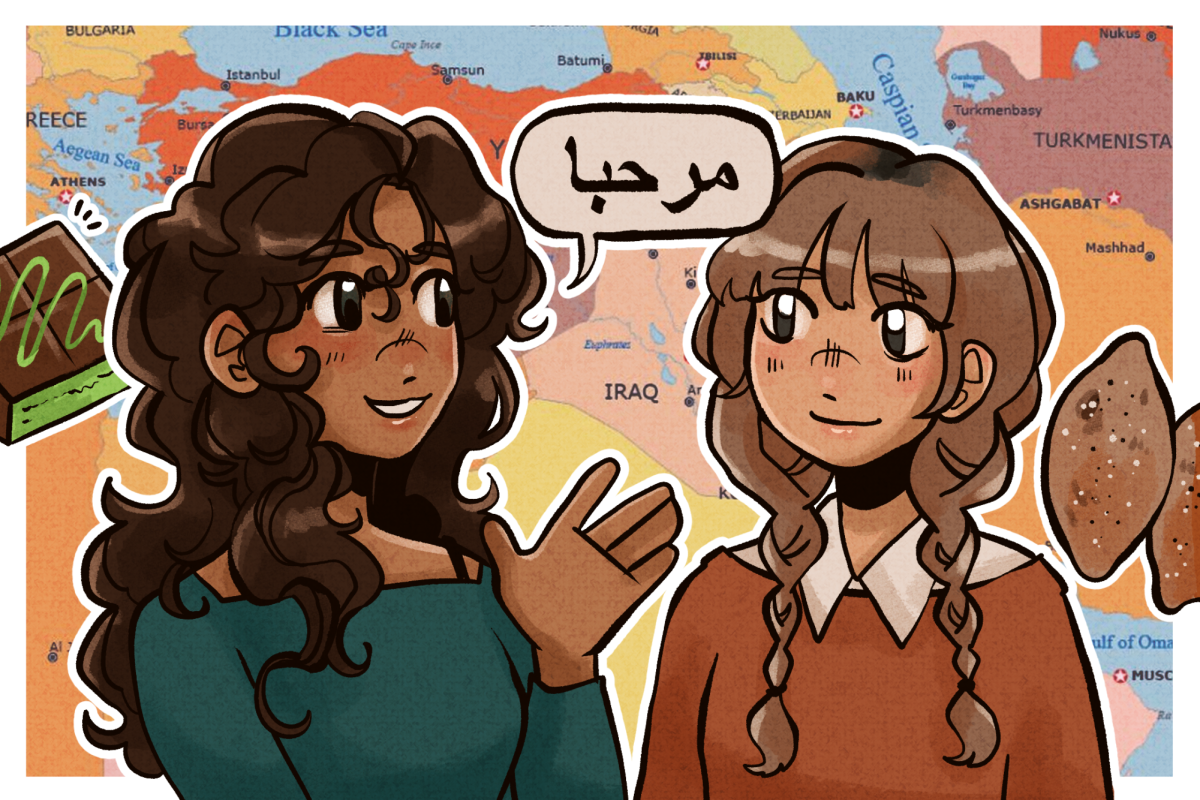
Spoken by around 400 million people worldwide, Arabic is a language of diplomacy, religion and commerce. At the University, students are gaining the skills to use it for many reasons.
The Arabic Program at the University offers foundational learning in modern standard Arabic, fusha (الفصحى), through a range of courses, including beginner to advanced level courses, as well as various dialects. The program engages students from various majors by offering diverse courses and practical applications in Arabic.
The program is led by a small team of five, made up of a senior, a graduate student and three staff members.
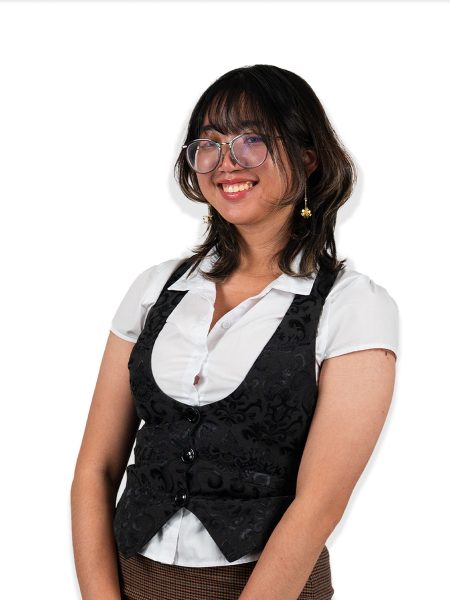
Grace Denton, senior in LAS, is the president of the Arabic Program and works with the Arabic language department to plan events around campus. Denton wanted to promote the language and Arabic culture after a trip to Morocco two summers ago.
“My favorite part of studying Arabic is, this is more for Arabic speakers, but it’s honestly, the easiest language I’ve ever learned, and that’s hard to say because people are like, ‘Oh my god, this script is so different,’” Denton said. “Arabic is so easily attainable once you get to a certain level, the first two years were like, I can’t do this.”
Get The Daily Illini in your inbox!
Denton began studying the language her sophomore year and said she noticed there was no Arabic language table on campus, unlike other languages that had RSOs or department-sponsored groups. After asking her department about creating and offering to lead, she received approval from the director of the Arabic studies department and began hosting events sponsored by the department.
After a semester of Denton running the calendar of events, the director of the Arabic studies program offered Denton the opportunity to work for the department. Denton offers Arabic tutoring hours, helping other students and practitioners.
The program heavily focuses on emphasizing its classes and curriculum. Eman Saadah, professor in LAS and director of the Arabic Program, also runs the Arabic Debate Team. The team previously made it to nationals in 2024.
“She teaches a debate course in Arabic, gets the ball running, so next year, they have direct people to select from,” Denton said. “She gives you a topic with a variety of arguments and created an actual class, preparing students to recruit them.”
Denton also gave recognition to Awad Awad, director of the Salaam Middle East and North Africa Cultural Center, for helping build partnerships between the cultural center with both the Arabic and linguistics departments. Through these collaborations, events such as Taste of Language and language roundtables flourished.
An Iraqi Arabic dialect workshop was hosted this past Wednesday at the School of Literatures, Cultures & Linguistics. The workshop was guided by Ali Saeedi, Arabic instructor in LAS and native speaker of Iraqi.
At the event, Saeedi guided students through the history and geographical influences that inspired the Iraqi dialect of Arabic. Students came from a range of backgrounds, some from Jordan and Palestine, others taking ARAB 150: Language & Culture of Arab World.
Many unique sounds, pronunciations and vocabulary of the dialect differ from regular Arabic. For example, Saeedi gave students the example of the word “samoon.” It is an Armenian word that has now become a part of the Iraqi-Arabic dialect, meaning a specific kind of Armenian bread. It became the national bread of Iraq, used in falafel sandwiches or shawarmas.
Approximately, there are 30 modern varieties of Arabic. According to Saeedi, the Arabic language is unique in the sense that the spoken form of the language comes in dialects rather than just a modern standard.
“The modern standard is more of a formal, higher register of a spoken language that is used in news and maybe in more formal settings, but everyday language, spoken language is usually the dialect of the country, the Arabic-speaking country,” Saeedi said. “Students are encouraged in learning the dialect so that they can understand, as well as communicate in the dialects of Arabic-speaking communities.”
That encouragement has drawn in students like Keegan Mullins, junior in LAS, who studies Arabic as a continued interest and hobby. Mullins showed up to the Iraqi dialect workshop but knows the Levantine Arabic dialect best.
Mullins studied abroad in Jordan this past summer, taking a class on the Levantine dialect. Learning the language has been rewarding, fostering accomplishment, community and a deeper global awareness.
“Before studying Arabic, I was not very aware about issues there,” Mullins said. “I feel like I’ve become a lot more conscientious of what is going on within the region.”
As students build fluency across dialects and deepen their cultural understanding, the Arabic Program continues to grow beyond the classroom. The goal of the program is to make learning Arabic not just about mastering a language, but about connecting to a global community.