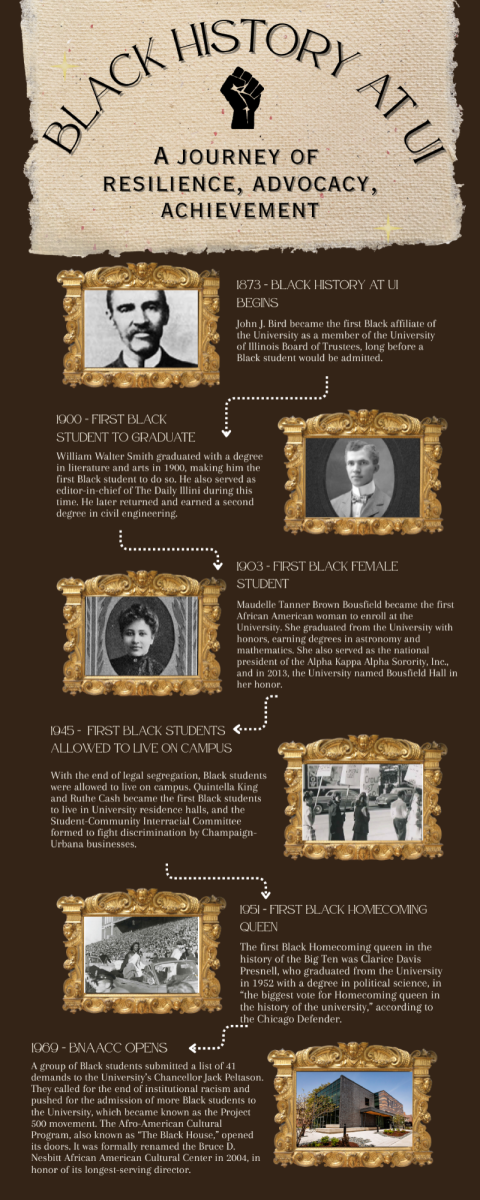
When the University first opened its doors in 1868, there were only 50 students, all of them white males. It wasn’t until 1887 that the first Black student enrolled at the University, and since then, the University has focused on retaining Black students through targeted support programs and student success initiatives.
In the summer of 2006, 100 Strong was established, a recruitment and retention program for Black students at the University. 100 Strong provides Black students with opportunities to engage in peer mentor programs and other activities that lead to academic success.
“I think when it comes to retaining minority students, or students in general, most people tend to go to places or keep going to places that they feel like they belong, and that they have a community and have a reason to stay,” said Brandon Fizer, junior in Media and 100 Strong’s vice president.
100 Strong follows five pillars of student success: academic success, professional development, identity exploration and development, service learning and civic engagement and sustained engagement.
According to its website, the program aims to help freshmen excel by connecting them with key academic resources like the Jeffries Center to establish a community that supports their academic, cultural and social needs. It also links students to career development opportunities and offers experiential learning about civil rights history that can help shape their personal and collective growth.
Get The Daily Illini in your inbox!
“One thing that I’ve noticed is … sense of community is important,” said Ruby Mendenhall, professor in LAS. “So … creating a community on campus, I think, has been a source of strength for many of the Black students.”
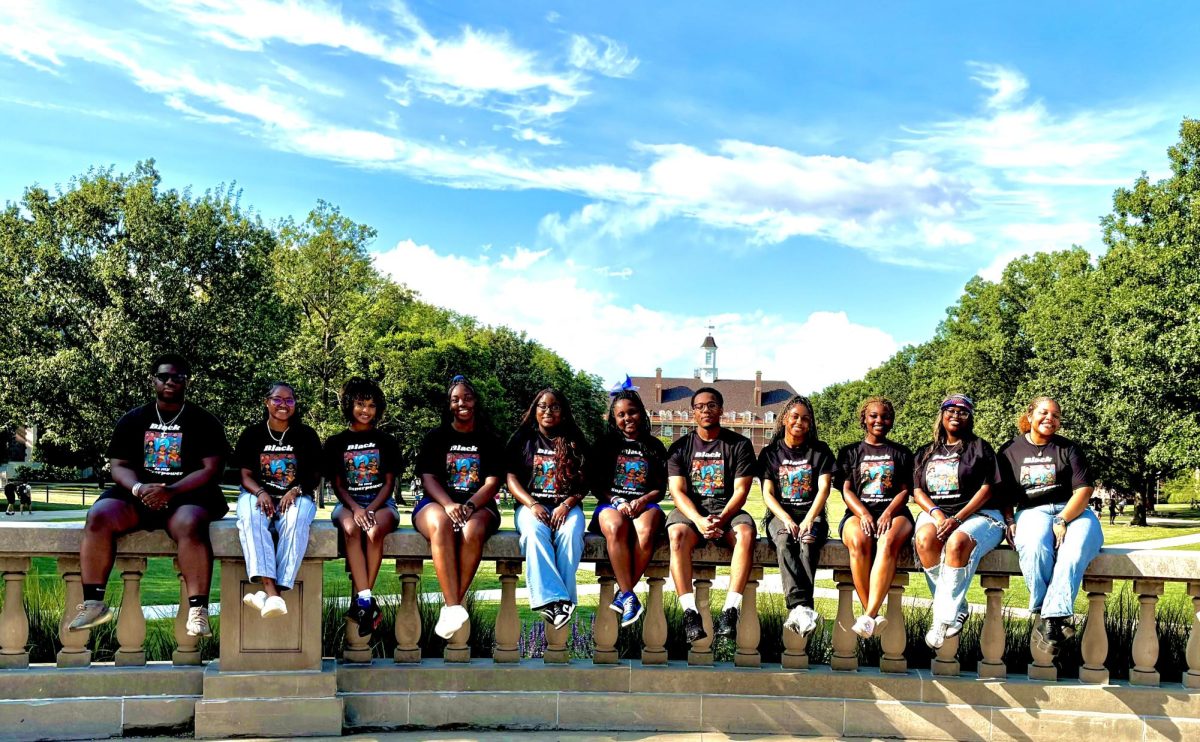
Through 100 Strong’s mentor-mentee program, the organization allows Black freshmen to connect with the University’s upperclassmen. Through weekly events and activities, along with one-on-one guidance, Black students build community and solidarity with their peers within their first few weeks on campus.
Fizer said that the main goal of 100 Strong is to make sure first-year students, whether freshmen or transfer students, get involved with at least one thing on campus. According to Fizer, building a community and a support system is a key factor in minority student retention.
“It’s nice to feel grounded by a community of people that are from similar backgrounds,” Fizer said. “They are probably going through the same thing as you … you can joke, play, things like that, and you build that relationship through 100 Strong.”
According to Tati Scaife, junior in ACES and 100 Strong’s co-president, the program has shifted in the past several years. In past years, she would only see 15-20 people coming to events; now, she is seeing upwards of 40. She attributes this growth to fun weekly events like vision board making and “pop the balloon,” as well as effective recruitment by outreach coordinators.
“I feel like that’s the main goal: getting as many people as possible into our program so no one feels alone or feels like they don’t have a community,” Scaife said. “I feel like a lot of times people come to campus, they’re like, ‘Oh, I don’t know anyone, there’s nothing to do here,’ and they end up transferring. But … that’s what we are fighting so hard to do. And I feel like we’ve definitely accomplished that in a big way.”
Camaya Alexander, freshman in the Division of Exploratory Studies, said she found this community when she joined 100 Strong through Circuit last semester. Alexander and her mentor developed a close bond through both 100 Strong events and one-on-one outings.
“Since the beginning of the year, she’s helped me out with some of my classes, applying for a job, we go out together, she treats me to a lot of things,” Alexander said.
One of the main reasons Alexander joined 100 Strong was to meet new people and build community. She said that, as a social person, she finds it very important to have a space to talk with different people and practice communication and networking.
After participating in the mentor program, Alexander joined 100 Strong’s executive board as outreach coordinator. In her role, she noticed that anxiety around networking is a major issue facing Black and brown students that the program strives to address.
“I think this program helps let students know you are connected, even if you don’t feel connected,” Alexander said. “This program brings a lot of aspects into one. We’re very engaging and welcoming.”
Since its establishment in 2006, 100 Strong has given Black students a community at a University where they are historically underrepresented.
“We … strive to be there for those that feel like they don’t have a place to go to,” Scaife said. “100 Strong is a safe space to be able to come here and just be around like-minded people that are there for you and actually care for you and your well-being.”