With a campus culture dubbed the “Drinking Illini” and eight bars scattered throughout campus, job opportunities for becoming a bartender are limitless.
Not only are the bars frequented by University students, but they are practically run by them, too. These student bartenders balance grueling coursework and serving delectable drinks with one major rule for keeping their jobs: popularity.
To be offered a job at one of the bars, prospective bartenders must demonstrate that they will attract customers during their shifts, which is shown through the bar battles that are required to receive promotions.
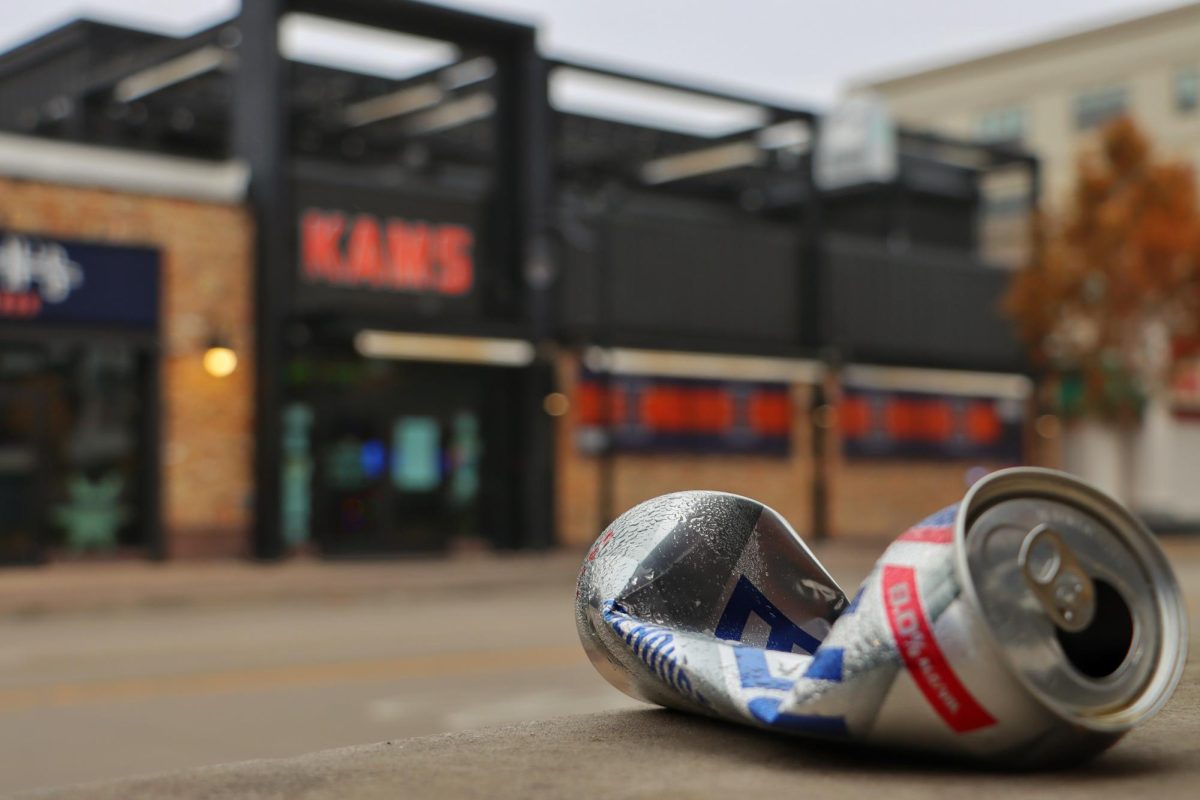
For KAMS, not enough tabs will result in immediate termination, according to Matthew Mendoza, junior in Engineering. This is why most bartenders on campus are involved in Greek life or a large organization, Mendoza said.
“For guys, you have to be in a house or organization that brings a lot of people out,” Mendoza said. “It’s a long process of becoming a door guy, then becoming a barback, and after that, you can be a bartender.”
Get The Daily Illini in your inbox!
Mendoza learned about the job through his fraternity. He was offered a bartending job last September after his first interview because he knew the management. Usually, male new hires have to go through a door guy, barback, to bartender pipeline.
At Joe’s Brewery, The Red Lion and KAMS, door guys usually watch over the front-of-house, like ID checks, security, charging cover and cleaning at the end of the night. Barbacks take care of behind-the-bar activities, like alcohol stocking and refreshing the ice.
Max Gaal, junior in LAS, began his bartending career at Joe’s, then moved to Red Lion a year ago. He was approached by a manager of Red Lion, whom Gaal knew through his social fraternity.
“On my first day, they kinda just throw you in,” Gaal said. “I definitely messed up a couple of people’s orders and was pretty stressed, but throughout the shift, I got a better understanding of what I was doing.”
Will Taylor, sophomore in ACES, began working at Joe’s last spring. He says that because Joe’s has a smaller staff count than the other bars, it’s easier to get promoted.
“I was a door guy for a while, and it’s backbreaking work; it’s a lot of taking out the trash, then you gotta clean afterwards, but you get paid pretty well for it,” Taylor said.
All three bartenders interviewed said that the pay at KAMS, Joe’s and Red Lion mostly comes from tips. Mendoza says his usual payout is $200 a night, equating to around $40 an hour. He likes the pay but finds hours grueling as he goes to sleep at three or four in the morning and wakes up early for classes.
“My lowest check was $0.05,” Mendoza said. “It’s kind of funny because it costs more to print out paper in the library.”
Even during “slow” nights, working a shift at the bar never gets dull because of its lively and hectic atmosphere. Gaal says he loves the community that comes with working at the bar, but can sometimes get so busy on certain nights that he will go three or four hours without doing anything but pouring drinks.
Unlike many campus jobs, Taylor says working at Joe’s is like joining a second fraternity.
“I feel like I’m actually friends with the people that I work with, which is awesome because I can just go to the bar by myself any day and already have friends I can just hang out with,” Taylor said.
When balancing work and school, Taylor said he fills the time before his shifts with homework. However, the late hours of a bartender can encroach on proper school time.
Especially if a student bartender is working a closing shift, they have to wait until tip-out to leave, which requires them to stay until 2 or 3 a.m., something that Mendoza says gets tiring because of classes.
While the job does require late hours, Gaal says that the most important part is the social aspect. Not only interacting with customers, but most bars also encourage a fun workplace for their bartenders.
“We call it ‘Kamily,’” Mendoza said. “It’s just so loving. We all support each other, we all love each other, we all booze together.”