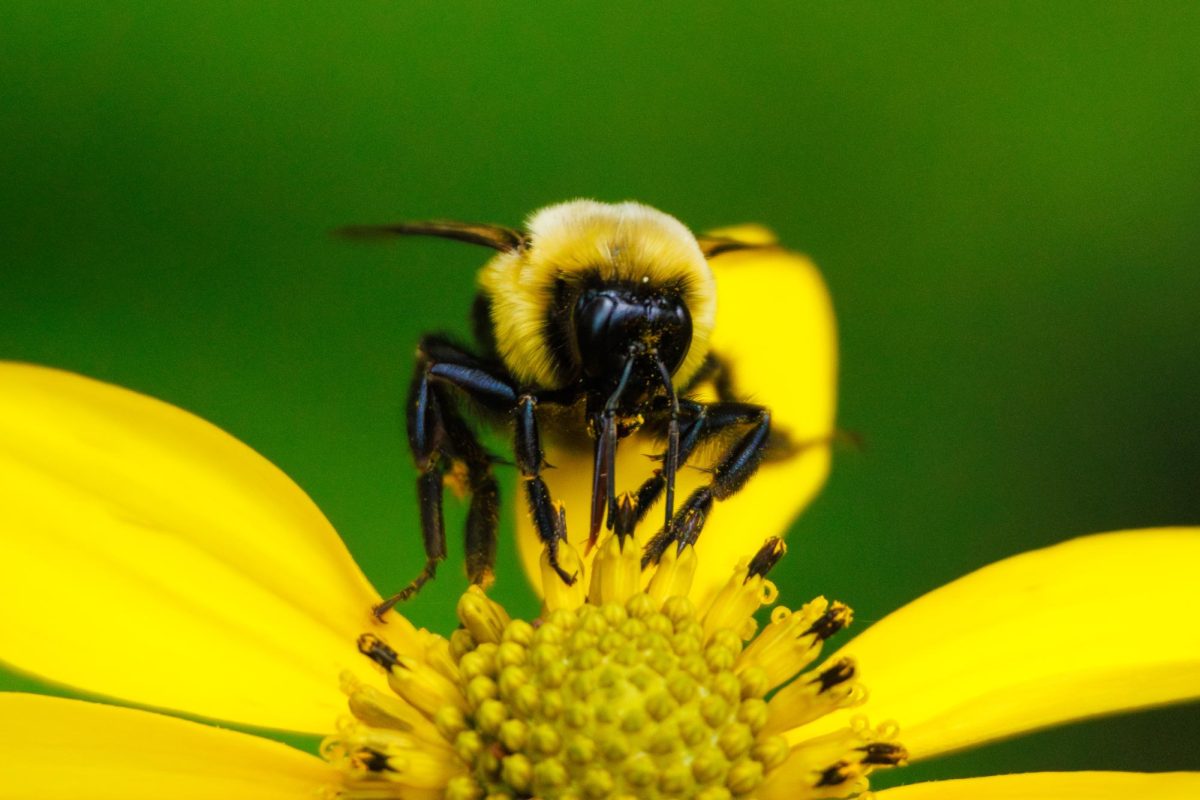
To some, they are scary, to others, they are cute, but at the University’s Beekeeping Club, the bees have united a diverse group of students. The club is open to anyone interested, and works to meet members at their comfort level. Some members even have phobias or are deathly allergic; evidently, there’s a place for everyone.
The club emphasizes bees’ health and sustainability, with its primary goal as beekeepers being to improve the health of the bees and help them generate a greater honey harvest. The beekeeping club also offers a variety of events: hive visits, informational sessions, socials and more.
President Breven Stark, a senior in ACES, joined the club after contributing to bee research at the University, his work centered around the control factors of a honeybee’s microbiome. After learning how to beekeep through his research, he decided to continue on through the club. Members have opportunities to observe research through the club’s outreach events at The Dolezal Bee Research Lab.
“It’s definitely one of the best outreach events,” Stark said. “Our members can see not only research opportunities, but they can also see cutting-edge science that informs how beekeeping is done.”
One sustainable project members have been working on is a pollinator garden, complete with a variety of native flowers. A member who previously worked on two pollinator gardens selected the plants included in the club’s garden.
Get The Daily Illini in your inbox!
“He is like an expert, in my opinion, on native flowers, and he curates (the garden) really well so that we can have plants that will actually survive and grow and are easy to manage, but still will support native bees,” Stark said.
In early fall and late spring, the club visits the bee hives on the Sustainable Student Farm. There, members assess the bees’ health and implement beekeeping concepts covered during informational meetings. Visiting the bees has helped some members overcome their fears of bees.
“I was scared of the bees at first, but then they showed us how they take care of the bees on campus and how to handle them without getting stung,” said Blessing Eyinle, junior in LAS. “I think that was the most interesting part to me.”
The club leaves it up to the members to decide how much they want to interact with the bees. Meaning all members, even those who are scared of bees, can participate without pushing themselves out of their comfort zone.
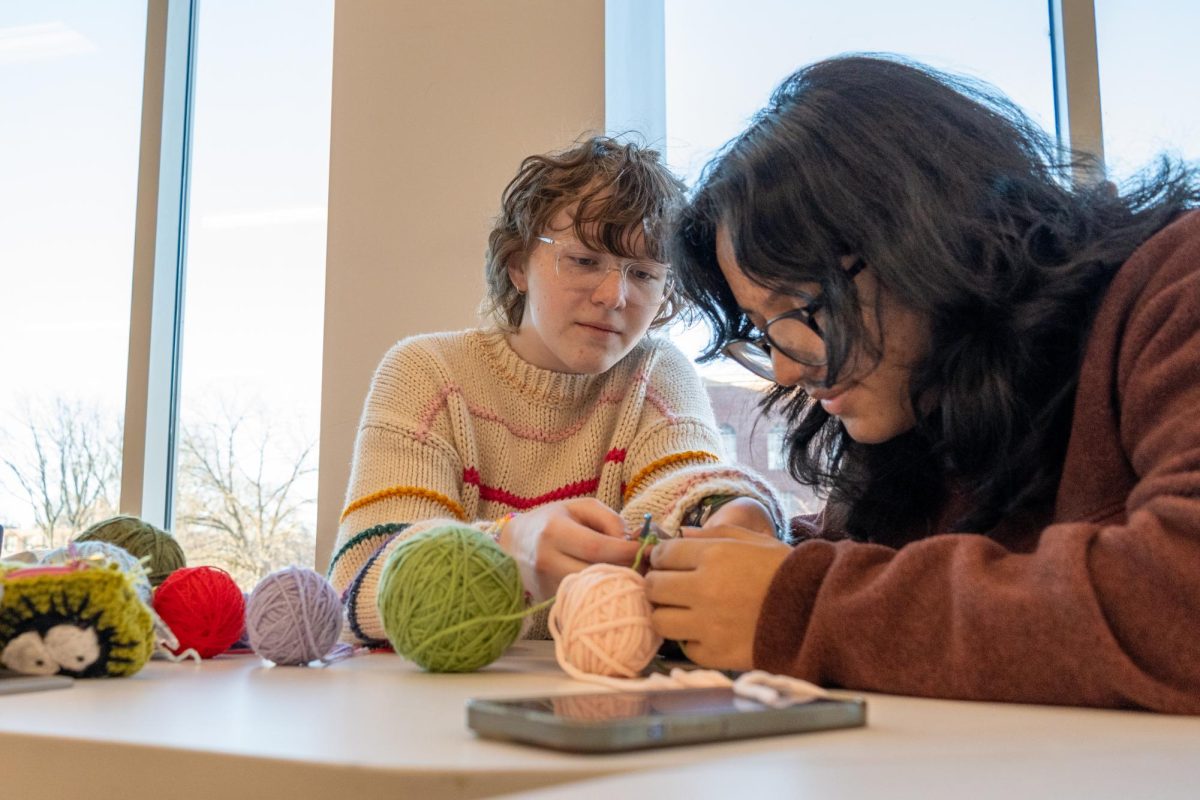
Members can also participate in social events, which are conducted more frequently in the winter months, as it becomes too cold for the bees. This semester, the club has conducted trivia nights and crafting events.
“The club has suits that members can wear so they can safely go right up to the hives,” said Isabelle Gawedzki, a graduate student studying food science and human nutrition. “But even (members) who are very, very scared of bees can just go to different events like socials. There’s general meetings where there’s no bees, but you can still do sustainability-related activities.”
Stark also has to maintain his distance and take precautionary measures, as he has developed a bee sting allergy. The club’s head beekeeper, Brandt Henderson, junior in ACES, has also begun developing this allergy.
Bee sting allergies develop after repeated stings, with the allergic reactions worsening with each sting. There is a wide range of symptoms, from hives to anaphylaxis.
“I was able to recognize the signs in myself before I got to that level and stopped beekeeping,” Stark said. “We all have EpiPens, we all understand the onset of the allergy very well, and we have protocols in place to make sure that our members and ourselves are safe when we beekeep.”
With all members’ well-being and comfort in mind, the club offers a wide range of activities and additional educational meetings working to make each member at ease with the process. Allowing the members to engage at their preference gives them a chance to uniquely experience the bees and nature.
“The first day we started working on the pollinator garden, we didn’t have gloves yet, so I didn’t feel comfortable touching the plants we were weeding out of the garden,” Eyinle said. “But I got to be the DJ for that day, and that was really fun. It felt nice that even if I wasn’t participating in the way everyone else was, I still had a part to play.”