While the new decade is barely under way, Champaign City Council members are taking stock of what they’d like accomplished by the time the next decade rolls around.
The “Vision for 2020,” a collection of six goals council members have been discussing this month, includes providing first-rate city services for citizens, keeping a steady budget and promoting environmental sustainability. Dorothy David, assistant city manager, initially outlined the goals in a presentation during a regular study session on Jan. 18.
She said these long-term goals will proceed at a reasonable pace because of the implementation of strategic initiatives, which are meant to be met within the next two years.
“We are really aiming to improve the quality of life for Champaign citizens,” David said. “It’s important to us to make the most of our community and what it offers.”
Projects that are specifically emphasized include the reconstruction of the drainage system on John and Washington Streets. The significant flooding in the area is a critical issue in improving city services and the average citizen’s quality of life.
Get The Daily Illini in your inbox!
“We really want to make the effort to initiate remodeling of these streets,” David said. “Hopefully, it will be a central focus of the City Council’s upcoming study sessions.”
However, some local residents expressed concern for other initiatives that were set.
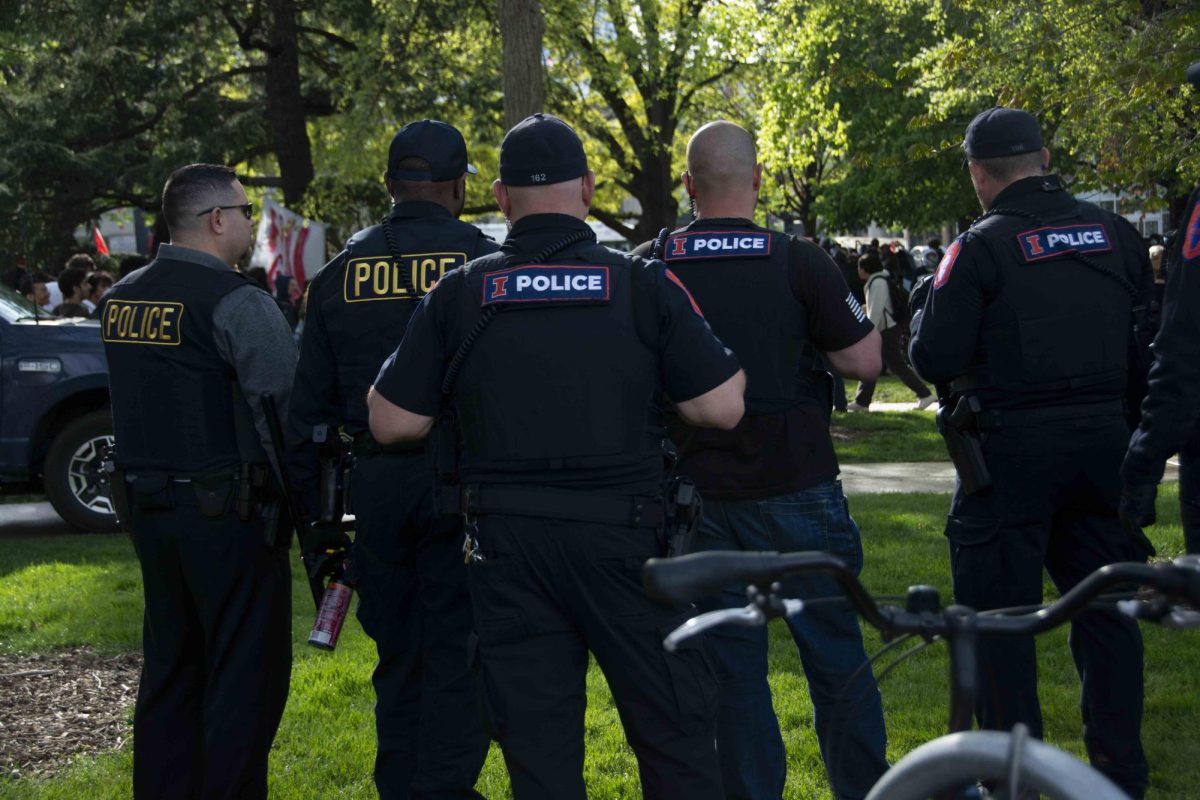
Lynn Stuckey, Champaign resident, said plans to begin expansion of the police force should be reconsidered. Stuckey’s concern is how officers are hired and tested. Applicants undergo two interviews before testing for drug use and mental condition. She said this compromises the neutrality of the application process because those adminsitering the drug and mental health tests may be biased after the initial interviews.
Michael LaDue, Champaign deputy mayor and Dist. 2 councilman, said keeping up with employment in the Champaign Police Department is easier said than done. LaDue said the size of Champaign itself has been increasing considerably, making it more difficult for officers to patrol the city in its entirety.
“The police-to-acre ratio is decreasing at a very considerable rate,” he said. “We can’t even have police patrol certain pathways because we’re not keeping up with this rate of increase.”
However, LaDue added that the sudden increase in population and city size is not as much of an issue as the decrease in the number of employed officers. He said this decrease in force is due to the Afghanistan and Iraq wars within the past decade.
“We need to hire more men onto our force if we’re ever going to be able to keep up with the pace,” LaDue said.