China executes former drug agency chief
Jul 11, 2007
Last updated on May 12, 2016 at 01:25 p.m.
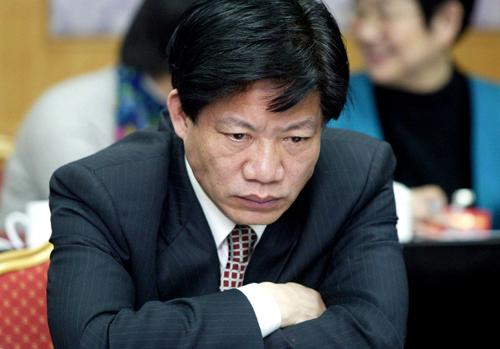
BEIJING – China executed a former director of its food and drug agency Tuesday for approving fake medicine in exchange for cash, illustrating how serious Beijing is about tackling product safety.
The measures include ensuring athletes’ food is free of substances that could trigger a positive result in tests for banned performance-enhancing drugs. Many of China’s recent food woes have been tied to the purity of ingredients, flavoring, artificial colors and other additives.
During Zheng Xiaoyu’s tenure as head of the State Food and Drug Administration from 1997 to 2006, the agency approved six untested drugs that turned out to be fake, and some drug-makers used falsified documents to apply for approvals, according to state media reports. One antibiotic caused the deaths of at least 10 people.
“The few corrupt officials of the SFDA are the shame of the whole system and their scandals have revealed some very serious problems,” agency spokeswoman Yan Jiangying said at a news conference Tuesday highlighting efforts to improve China’s track record on food and drug safety.
Get The Daily Illini in your inbox!
Next year’s Beijing Olympics, a great source of pride for China, also has been targeted in the crackdown on unsafe food. Sun Wenxu, an official with the State Administration for Industry and Commerce, told reporters that athletes, coaches, officials and others can be assured of safe meals.
Food and drug agency spokeswoman Jiangying acknowledged the agency’s supervision remains unsatisfactory and that it has been slow to tackle the problem.
Fears abroad over Chinese-made drugs were sparked last year by the deaths of dozens of people in Panama who took medicine contaminated with diethylene glycol – a thickening agent used in antifreeze – imported from China. It was passed off as harmless glycerin.
Chinese-made toothpaste containing diethylene glycol has been banned in North and South America and Asia, though there have been no reports of health problems stemming from the product. And two brands of toothpaste sold in Spain were pulled from the shelves after the substance was found, the European Union said Tuesday.
Zheng’s death sentence was unusually severe even for China, which is believed to carry out more court-ordered executions than all other nations combined, and indicates the communist leadership’s determination to confront the country’s dire product safety record.
Zheng, 63, was convicted of taking cash and gifts worth $832,000 when he was in charge of the food and drug agency.
He was sentenced to death on May 29 and his appeal was rejected on June 12 by the Higher People’s Court of Beijing. China’s Supreme Court approved the sentence, saying Zheng “committed vile crimes and caused extreme harm to society.”
“Although he confessed to some of the crimes of bribe-taking and returned some of the illegal income, it was not enough for leniency,” the court said.
Zheng’s execution Tuesday morning was confirmed by state television and the official Xinhua News Agency.
“We should seriously reflect and learn lessons from these cases. We should step up our efforts to ensure food and drug safety, which is what we are doing now and what we will do in the future,” Yan said.