Last updated on Oct. 26, 2025 at 01:21 p.m.
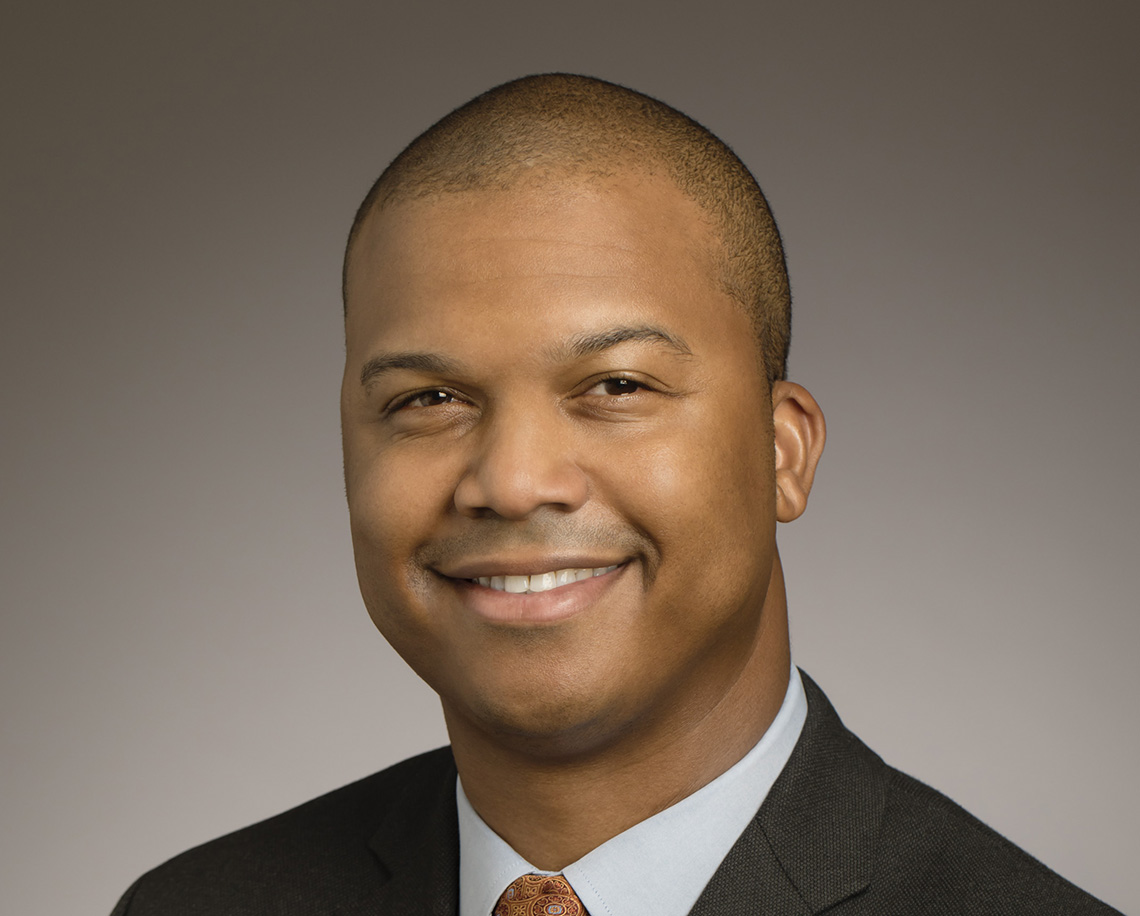
Benjamin Snyder, professor in LAS and chemistry researcher, was named a Packard Fellow by The David and Lucile Packard Foundation on Wednesday.
Snyder was one of 20 early career scientists and engineers to receive the fellowship. Each of the 2025 class of Packard Fellows for Science and Engineering will receive $875,000 over the course of five years to pursue their research.
The Packard Foundation’s fellows have created vaccines, developed new technologies and prevented species extinction over the course of 37 years. Fellows have won various high honors, including Fields Medals and Nobel Prizes in chemistry and physics.
Snyder’s research has pioneered novel methods to design and synthesize heterogeneous catalysts — substances that speed up chemical reactions while in different phases of matter than the molecules that are reacting. Snyder is making new catalysts that exhibit original functions or are more efficient than existing catalysts.
Get The Daily Illini in your inbox!
These catalysts have various applications that can create a more sustainable future. One key goal of Snyder’s research is to convert methane to methanol at room temperature. Simplifying the process of converting methane to methanol will help foster a future reliant on renewable energy.
“People would call it a kind of bridge fuel between where it exists now … and the green future, which I think everybody envisions and recognizes that we have to move towards, where all of our energy comes from fully renewable energy sources,” Snyder said.
While methods for the conversion already exist, they require high temperatures and pressures that need lots of infrastructure. Catalysts can address this issue by reducing the amount of pressure and temperature necessary to convert methane to methanol.
Snyder explained that being able to perform the conversion at room temperature would minimize the large chemical plants and capital expenditures currently needed and help build a more sustainable fuel source. Methane contributes to the increase in global temperatures, and it is abundant in the environment, whereas methanol is a liquid that can be used as clean fuel.
However, methane to methanol conversion is not the only application of Snyder’s research.
“Catalysts are responsible for sustaining all of the reactions that keep our society going, and a lot of the most important questions — particularly related to energy — will be solved by catalysis,” Snyder said.
Indeed, the Packard Foundation selected Snyder for his work in developing new methods to create and control catalyst structure and function.
Much of Snyder’s work relies on spectroscopy. Essentially, by studying the way light and matter interact, his research group can then determine a molecule’s structure. Armed with this knowledge, they then work to design catalysts capable of specific reactions.
“A lot of scientific discovery arises from this kind of meandering approach where really exciting things happen if you’re just allowed to follow your curiosity,” Snyder said. “That’s the take-home message why this sort of money is so important and potentially transformational for our research.”
Although Snyder hopes to accomplish more groundbreaking research in the future, his priority is ensuring success for the students who assist in his research.
“The most important output of my efforts here is the training of Ph.D students; that’s my legacy that will live on into the future, 100 years from now,” Snyder said.
Members of The Snyder Group said that Snyder already succeeded in fulfilling that legacy. Samantha Shell, senior in LAS, said Snyder has been a great mentor so far.
“His biggest strength is his presence and his availability,” Shell said. “His door is always open.”
Others in his research group agree. Sayantani Sur, a graduate student studying materials chemistry and member of The Snyder Group, shared that Snyder is “very supportive” and “the best adviser (she) could have asked for.”
Both Sur and Annie Hsu, a graduate student studying inorganic chemistry in The Snyder Group, agree that Snyder deserved the fellowship. The two are excited at the prospect of the advanced instruments and the stability that the funding will provide for their research.
Snyder shared the sentiment for the lab’s future but also emphasized his excitement for his students.
“I hope I’ve done well by my team and trained them well, opened up doors for them so that they can go on and achieve their own goals,” Snyder said.