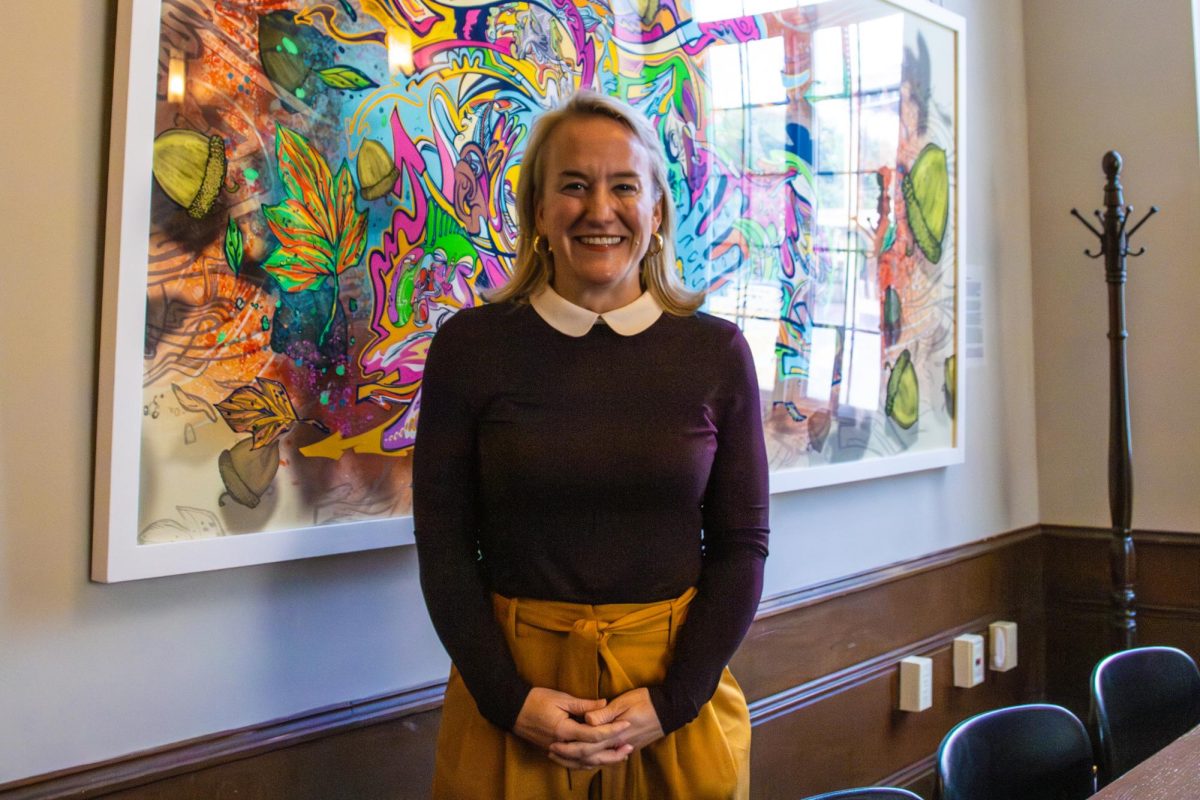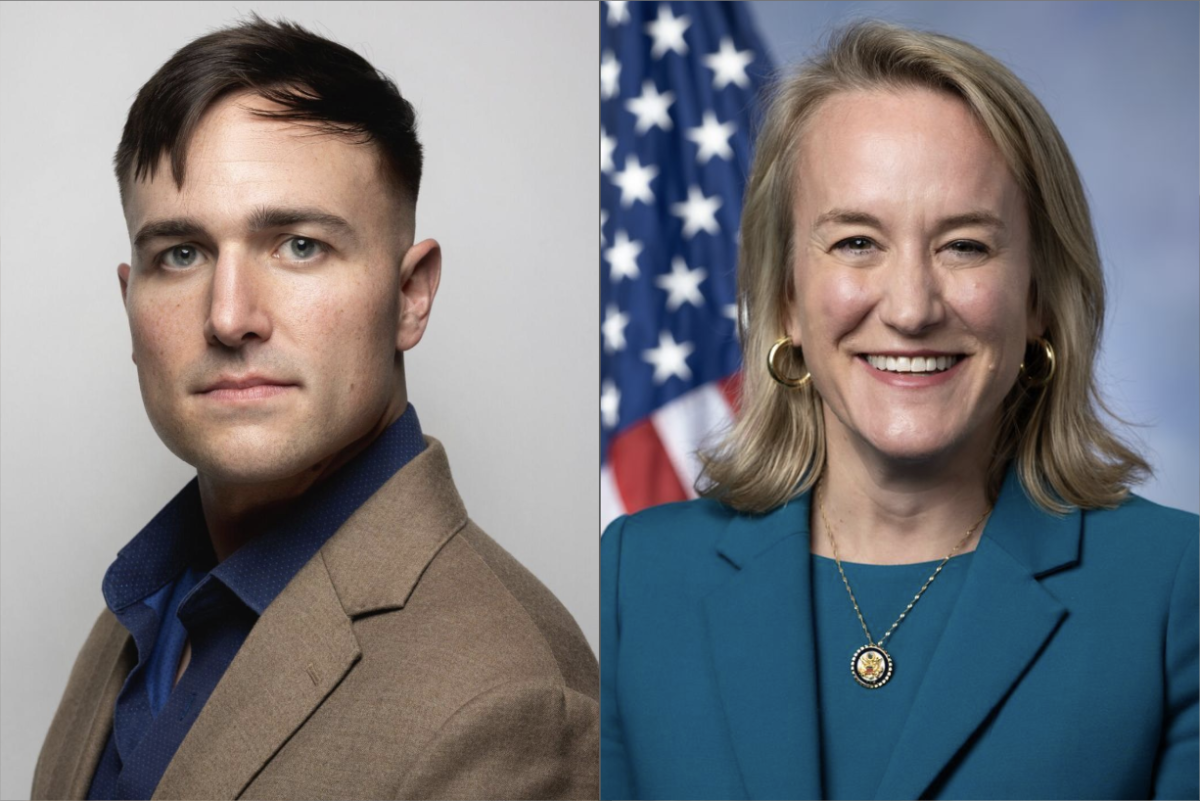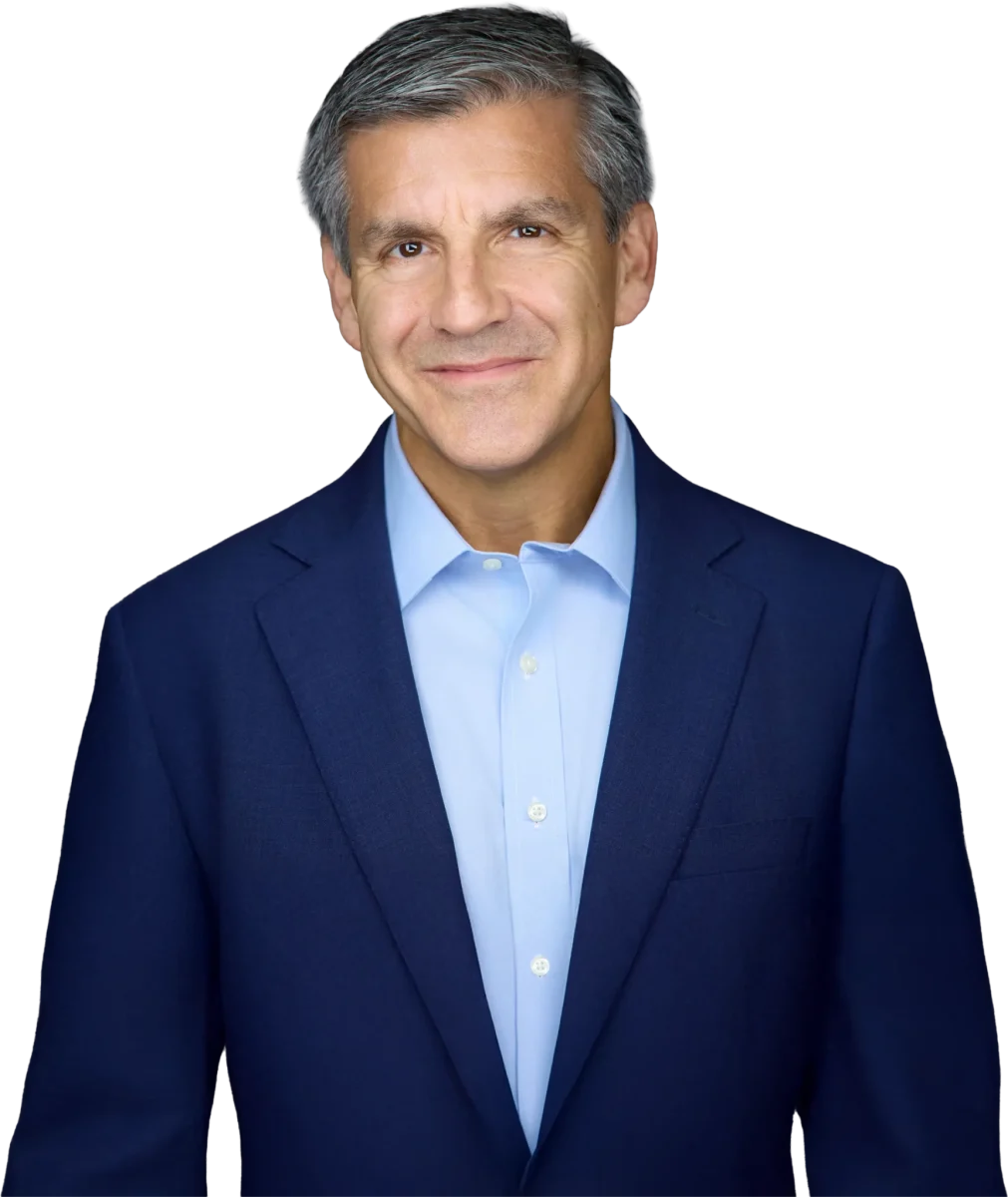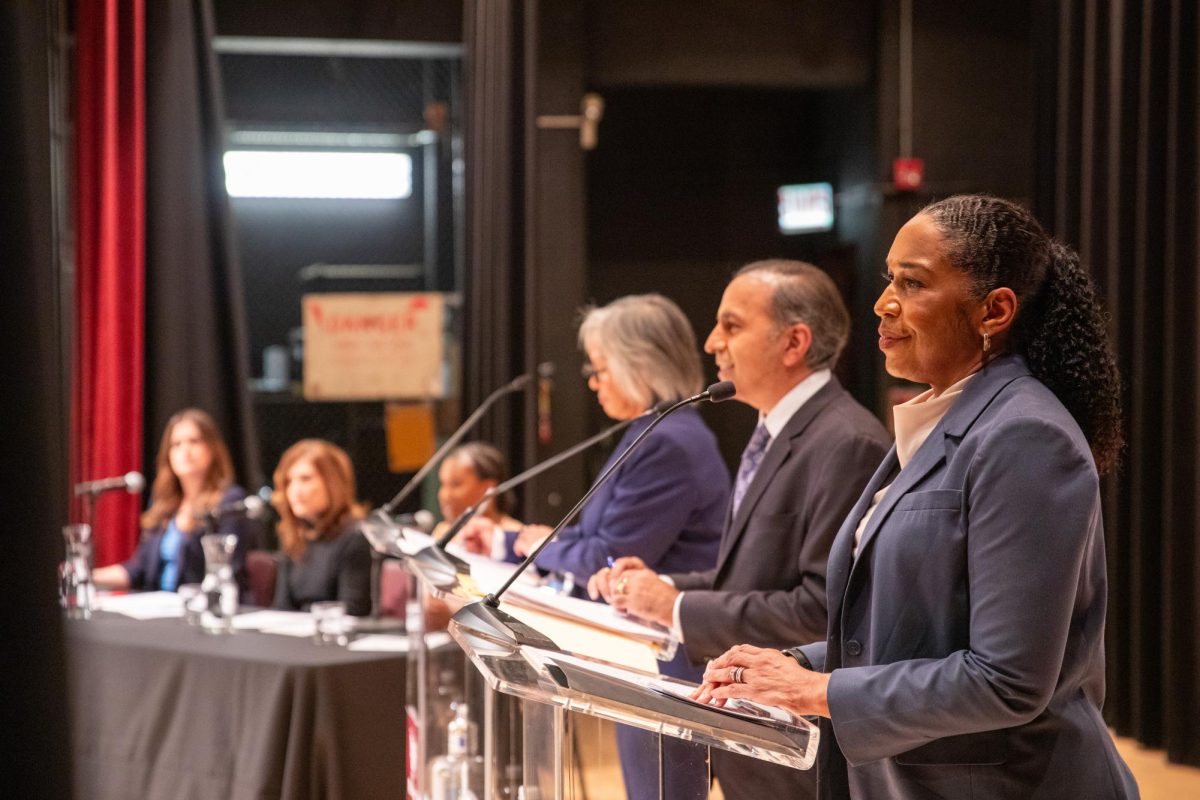
The three leading Democrats in Illinois’ U.S. Senate race went head-to-head in an hour-long debate Thursday night in Chicago, hosted by WGN News. Lt. Gov. Juliana Stratton, Rep. Robin Kelly, D-2, and Rep. Raja Krishnamoorthi, D-8, debated topics including Immigration and Customs Enforcement, political action committee funding, economic policy and the war in Gaza.
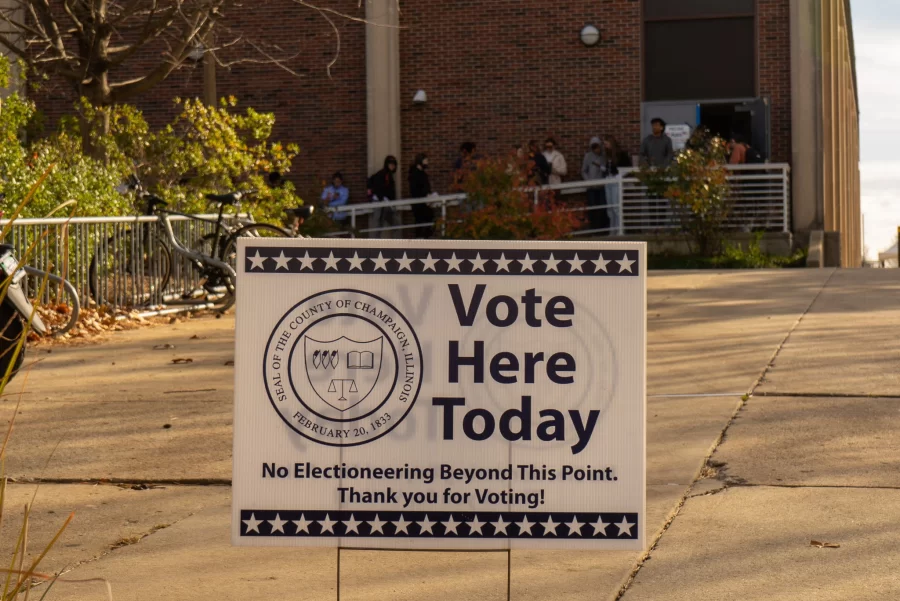
The candidates are battling to fill the seat of retiring Sen. Dick Durbin, D-Ill., alongside seven other Democrats and six Republicans who will be on the primary election ballot on March 17. Krishnamoorthi is leading in recent polls with 34%, while Stratton and Kelly trail at 23% and 8%, respectively. The Democratic primary winner is also favored to win the general election.
The debate kicked off with the moderators asking what should be included in a deal to reopen the Department of Homeland Security, which shut down Saturday after its funding expired. Before approving a new deal, Democrats are calling for limits on ICE agents, such as body cameras, following the January shootings of Alex Pretti and Renee Good in Minneapolis.
Stratton answered first, stating she wants ICE abolished and accused Krishnamoorthi of funding ICE.
“I do not believe that this agency can be reformed, and we’ve seen the terror it has inflicted upon all of our communities,” Stratton said. “(Krishnamoorthi) voted to fund ICE, he voted to thank ICE and accepted money from an ICE contractor.”
Get The Daily Illini in your inbox!
Krishnamoorthi has accepted more than $90,000 from President Donald Trump’s allies, including the chief technology officer of Palantir. The software company has a $30 million deal with ICE to provide deportation tracking tools.
In response, Krishnamoorthi clarified that his “thanking ICE” was a part of a bill condemning antisemitism. He also claimed that as soon as the Palantir contribution came to his attention, he donated it to three migrant rights organizations.
“We have to abolish Trump’s ICE,” Krishnamoorthi said. “I’m an immigrant myself … I don’t need a lecture from anyone about standing up to ICE.”
He called out Stratton’s “hypocrisy,” referring to campaign support from the Democratic Lieutenant Governor’s Association, which received donations from ICE contractor and private prison company CoreCivic. The DLGA has since stated that the money will be donated to the National Immigration Law Center, a move with which Stratton agreed.
Kelly voiced support for restrictions on ICE agents, calling for “no more masks” and for officers to be held accountable in cases such as Pretti and Good. She also said that “Kristi Noem has got to go,” referring to the articles of impeachment she filed against the homeland security secretary.
The following question brought up campaign contributions, a topic the moderators described as a “flashpoint for this race.”
The moderators cited Stratton’s acceptance of money from corporate executives, despite her campaign pledge to not accept corporate PAC money. In January, Gov. JB Pritzker also contributed $5 million to a super PAC funding Stratton’s campaign.
“The lieutenant governor likes to say she doesn’t receive corporate PAC money in the front door of her campaign,” Krishnamoorthi said. “It comes through the side door, the rear door and the garage door — because it comes through her super PAC.”
Kelly has also called out Stratton on her finances, including in a press release that read: “Stratton’s three affiliated Senate super PACs relied on funding from billionaire donors and corporate interests – including a for-profit prison company.”
After the heated debate over funding, the conversation shifted to economic issues, including the minimum wage and Illinois agriculture. According to the moderators, a January poll indicated the economy was a top concern for voters in Illinois.
Stratton supports raising the federal minimum wage from $7.25 to $25 an hour. Kelly and Krishnamoorthi are calling to raise it to $17 an hour, citing realistic goals that are aligned with the proposed Raise the Wage Act.
The next question asked the candidates what steps they would take to expand markets for agricultural exports. After Trump imposed tariffs in January 2025, China stopped purchasing American soybeans — a move that has cut 40% of the market for Illinois’ top crop.
Kelly, whose district encompasses large areas of farmland, says she would work to reverse Trump’s tariffs, open up trade with other countries and bring back the United States Agency for International Development. USAID was responsible for a crop distribution market through international assistance, which halted after the Trump administration dismantled the organization in 2025.
Stratton said she would continue her and Pritzker’s existing work to strengthen trade relationships with Mexico. In July, Pritzker led a trade mission that included representatives from Illinois’ beef, corn and soybean associations.
Krishnamoorthi also condemned Trump’s tariffs and mentioned the defunding of the University’s Soybean Innovation Lab as a move that must be reversed. The SIL was shut down via executive order in 2025, but reopened in a limited capacity after receiving private donations. In January, Krishnamoorthi visited the SIL and discussed federal funding with its administrative team.
A later question asked the candidates what conditions should be placed on American military aid to Israel. Collectively, the Biden and Trump administrations have given over $20 billion in military aid to Israel, and an additional $6 billion arms deal was approved in January.
Krishnamoorthi criticized both Hamas and Israeli Prime Minister Benjamin Netanyahu’s conduct during the conflict, and called for a two-state solution. In November 2024, the UN-backed International Criminal Court charged Netanyahu with war crimes and crimes against humanity.
“Now, finally, there’s a ceasefire; fragile as it is,” Krishnamoorthi said. “Israel needs to withdraw from the Gaza Strip, Hamas needs to be demilitarized … aid has to come in to the point where we have a chance at a road to a two-state solution.”
Stratton clarified she believes “Israel has a right to safety and security,” but was also critical of Netanyahu, calling for a new leader to replace him.
“I believe that he should be removed from power, or he should step down, and there should be elections as the people have been calling for,” Stratton said. “We need to make sure that Gaza is rebuilt.”
Of the three candidates, Kelly was the only one to describe the war in Gaza as a genocide. She is also a co-sponsor for the Block the Bombs Act, which would prevent American weapons from being supplied to Israel.
“I’m the only one on this stage that has supported something like Block the Bomb,” Kelly said. “It may not have started off like this, but … genocide was the result.”
When directly asked if they support Michigan District 12 Rep. Rashida Tlaib’s proposed resolution to recognize the events in Gaza as genocide, Stratton and Krishnamoorthi avoided taking a stance. Kelly said she has yet to read the resolution, but doubled down by labeling Israel’s actions as genocide.
In their closing statements, each candidate spoke directly to the viewers and explained the driving factors behind their campaigns.
Kelly began, articulating her priorities as economic and referencing the large donations her opponents have received.
“I’m running because I want to make your life more affordable and make your life better,” Kelly said. “It also pisses me off to be saying millionaires and billionaires are trying to buy this election, and that should piss you off.”
Stratton followed by positioning herself against the Trump administration, and calling on voters to take action.
“If you’re happy with what’s happening in Washington right now … then maybe I am not your candidate,” Stratton said. “If you want somebody who’s going to fight for you every single day and get things done like we’ve done in Illinois, then please, I ask for your vote.”
Krishnamoorthi similarly criticized Trump in his closing statement.
“I’m running to preserve, protect and defend the American dream, which I believe is under mortal attack from Donald Trump,” Krishnamoorthi said. “Do we want a government that’s there for those fighting to make it? Or one that primarily caters to those who have it made?”