Column: Innately respectable
Tim Eggerding
Jan 24, 2005
At a recent academic conference, Lawrence H. Summers, the president of Harvard University, gave a speech stating that innate differences between men and women might cause fewer women than men to succeed in science and math careers. A biologist attending the conference walked out on the speech, and the aftermath of the conference has seen uproar from feminists and women in technical fields who disagree with the statement.
Summers’ comments caused many of us to wonder if in fact men and women are innately different, and if so, how this affects our performances in various career and subject fields. To this debate, I would like to add that of course men and women are innately different. After all, we have different sexual organs, which cause men and women to experience sexuality differently, and sexuality certainly influences personality. Related to our different bodies are the different hormones that males and females secrete, perhaps causing an innate difference in emotional reasoning.
In my mind, this is where feminism has gone wrong. Somewhere along the way women decided that they needed to be like men to achieve equal rights. I think this is why so many young women and girls would rather eat dirt than describe themselves as feminists. We resent that we have to act masculine to attain respect. We don’t want to be men; we want to be ourselves.
It is time to redefine feminism as the fight for rights pertaining to women, rights that are different from the freedoms men require. For example, certain biological rights such as access to obstetric health care and birth control pertain more to women than to men. We also demand the freedom to go where we want when we want, which means that domestic violence and rape must be categorized as hate crimes against women. These crimes must be punished vigorously, and we should examine our culture that condones violence against women.
More than anything else, we demand respect. We want our society to respect us as women just as much as it respects men. We want our lawmakers to bear in mind that their legislation affects two equally sovereign types of citizens, male and female. And we want equal representation within these lawmaking bodies that retain control over our bodies and our lives. A congress that is 86 percent male should not retain the right to give or withhold the abortion and related health rights that belong to women.
Get The Daily Illini in your inbox!
We demand enough respect to make our own choices. We don’t want to be shunted into gender roles, told from the beginning that math and science aren’t for us. We resent Summers’ statement, for though we have different bodies, different organs and different hormones than men, this doesn’t affect our ability to think logically. We cite physicist Marie Curie and biologist Rosalind Franklin as examples against Summers’ claims. We resent the discrimination and socialization that hold women back from technical fields as well as positions of political power. Thus, we demand respect for the women that overcome odds to succeed in technical careers. However, we demand just as much respect for women in traditionally female-dominated professions such as elementary school teaching and writing. Most of all, we demand respect for the women that choose to “stay home” and raise their children. We understand that their task of rearing the next generation of thinkers, lawmakers and scientists is integral to society and just as, if not more, admirable than any paid career.
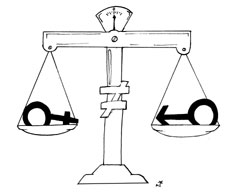
In recognizing the differences between men and women, we must be careful not to create differences to excuse discrimination, as Summers did. Yet both feminism and our country would benefit from recognizing, first, that men and women are different and require different rights and freedoms, and second, that the fight for women’s rights must demand equal respect for two separate kinds of people.
Therese Rogers is a sophomore in LAS. Her column appears Mondays. She can be reached at [email protected].