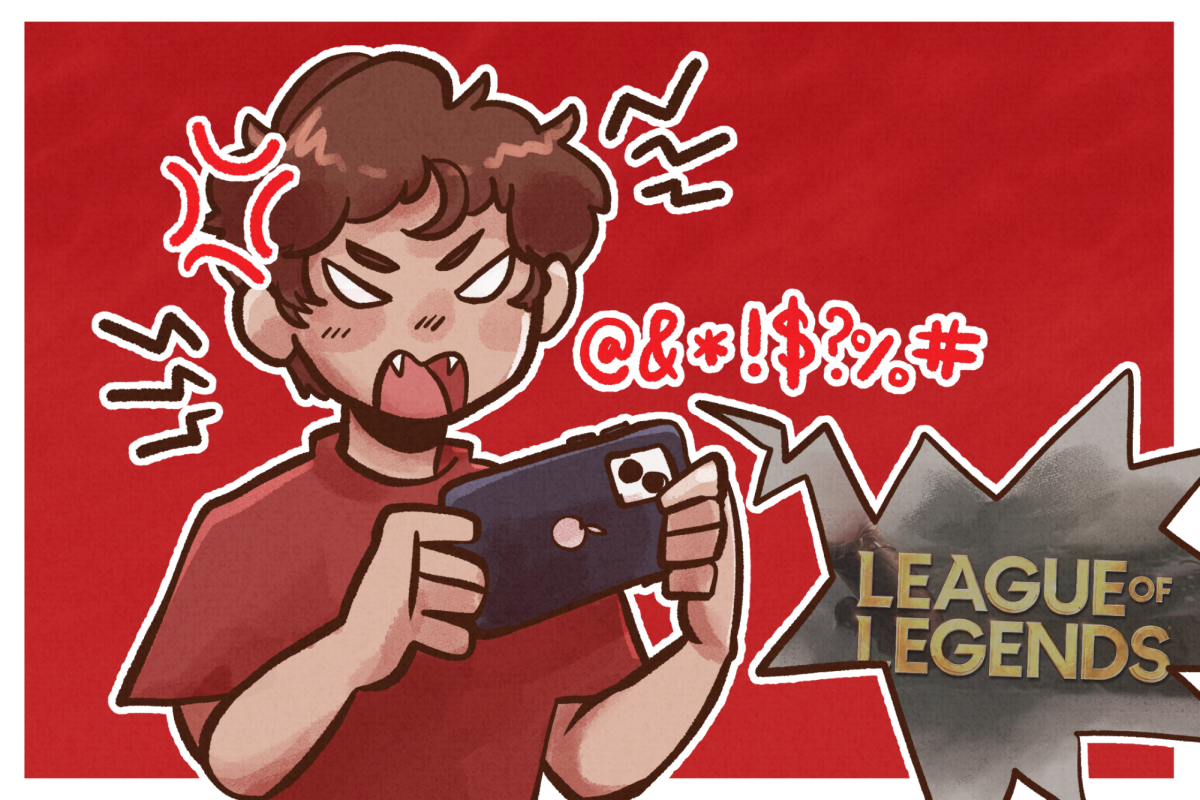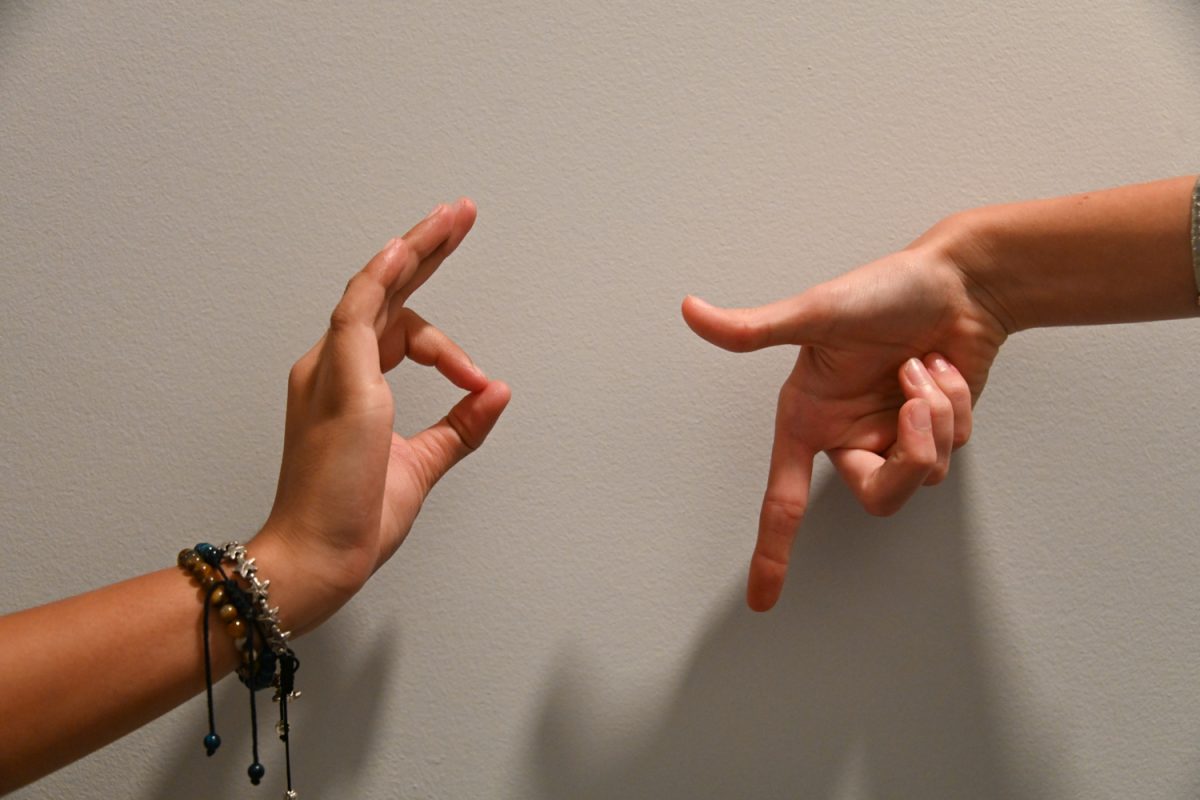
It’s everywhere — student apartment fridges, in-class doodles, social media. There are over 1.5 million videos on TikTok related to “#67.”
“67,” pronounced “six seven,” has become an internet sensation among younger generations. You may have even seen it on the big screen at Memorial — pardon me — Gies Memorial Stadium last Saturday, where Illinois took on Western Michigan.
It’s funny because it’s not funny. Everyone knows it’s not funny. No one knows what it means, which is what apparently makes it funny.
The viral phrase originates from the song “Doot Doot (6 7)” by Skrilla, where he raps the lyrics, “6-7, I just bipped right on the highway.” A video edit with professional basketball player LaMelo Ball cemented “67” as meme gold.
The meaning of this lyric, and how it is used in trending social media videos, is unknown. Some suggest it is a reference to a police code for a report of a dead body. Others theorize it references East 67th Street in Chicago, even though Skrilla was born and raised in Philadelphia.
Get The Daily Illini in your inbox!
Slang language in the United States is often a result of subcultures and ethnic minorities creating alternative lingos to identify with certain groups.
For example, words like “lit” and “sis” come from African American Vernacular English and Black Vernacular English. “You slay” is rooted in Black LGBTQ+ culture and was popularized by TV shows like “RuPaul’s Drag Race.”
The University also has its fair share of vernacular. Informal slang on campus, like “block” and “six pack,” is essential for forming a community of students from various backgrounds.
“Slay” and “bance” may not be words you put in your LinkedIn bio, but they do mean something. Vernacular functions as a shortened vocabulary among in-groups, as well as a key enforcer of community boundaries.
According to Lifestyle’s Sustainability Directory, “slang can serve as an initial filter, helping individuals quickly identify potential allies or peers who share similar perspectives or experiences.” With slang, we can identify and connect with fellow students, as “shared language establishes a foundational level of trust and familiarity.”
Slang is supposed to build communities. Now, it’s used to create divisions.
It’s everywhere — X, Instagram, Truth Social. There are over 577,000 posts on TikTok right now related to “#woke.”
Ishena Robinson, deputy editorial director at the Legal Defense Fund, said that the word “woke” originated “as an in-group signal urging Black people to be aware of the systems that harm and otherwise put (them) at a disadvantage.”
Now, politicians and CEOs manipulate “woke” to choose sides in falsely binary arguments on controversial topics like gender, sexuality and who can play what sports. “Woke” and its back-and-forth debates find themselves as trending, anger-fueled social media posts and in the vernacular of college students.
Prime example: President Donald Trump declaring “WOKE IS BROKE” as he announced his attorneys would be reviewing historical documents at the Smithsonian Institution. Slang words are twisted to not only mean something else but are also deployed like weapons to declare ideological battles.
A recent article published by The White House consists of several bullet points on the Smithsonian and its exhibits on African American and Latin American history, colonialism and sexuality — all devoid of reasoning or context.
The White House views the following as negative: “The American History Museum’s ‘LGBTQ+ History’ exhibit seeks to ‘understand evolving and overlapping identities such as lesbian, gay, bi-sexual, (and) transgender.’” This exhibit “featured content from hardcore woke activist Ibram X. Kendi.”
Marginalized communities are under attack by a word developed by marginalized communities to call out those attacking marginalized communities.
“67” and “woke” are parallels of something totally meaningless — something without any basis of reasoning — being manifested into something popular. In both instances, the public loses sight of the truth. They instead give in to attention-grabbing headlines like “Tom Homan Annihilates MSDNC’s Smears, Lies on Border Security” from The White House and “67” from NFLonFOX.
Language is a fragile, necessary component of humanity. Slang words represent more than 10-second TikTok videos — they are rooted in complex contexts and subcultures. It is vital for the public to thoroughly consider the origins, meanings and usage of words in popular culture to protect against the manipulation of culture, history and democracy.
The more we blindly give in to trending memes like “67,” the more vulnerable we become to people in power using media platforms to orchestrate our understanding of the world through the fragile languages at the basis of culture.
Alex is a sophomore in LAS.