It’s been nearly nine years since Colin Kaepernick, former San Francisco 49ers quarterback, played his last NFL game. The end of Kaepernick’s career wasn’t the result of a talent decline, injury or him voluntarily stepping down.
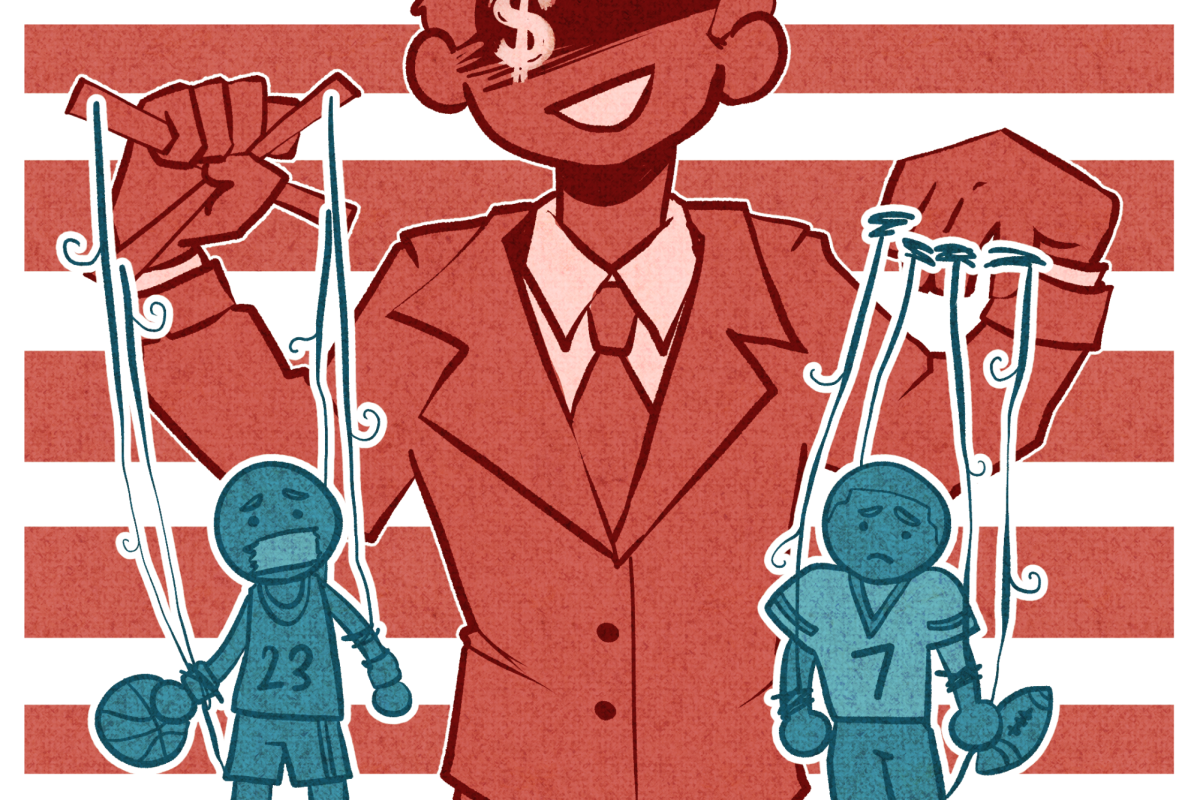
Kaepernick was shut out from the NFL because a league that was supposed to support him silenced him. They loved his performance, but not his PR risk protest.
During a 2016 NFL preseason game, Kaepernick knelt during the playing of the national anthem to protest against racial inequality and police brutality of Black Americans.
Kaepernick inspired a generational revolt and is now a civil rights icon. The aftermath of Kaepernick and the NFL’s decision ignited heated debates over free speech and whether politics belongs in sports.
The NFL essentially and effectively shunned Kaepernick for his actions, revealing that politics wasn’t welcome on the field and sports should be apolitical. Yet, the NFL gave teams the option to have a moment of silence to honor conservative figure and Turning Point USA founder Charlie Kirk; on Sept. 11, eight teams decided to do so.
Kaepernick was shut out by the NFL for protesting injustice, but in 2020, the NFL etched “end racism” in its end zones.
It reveals a clear message. Politics in sports isn’t banned; it’s selective. Sports aren’t apolitical. They’re deeply linked to capitalism, power and exploitation. It seems like politics are welcomed in sports if aligned with the corporation’s ideals and profit.
Sports are one of the best systems in society. Sports unite, uplift and are a reflection of culture, especially in America. But that’s also why they need accountability.
The argument that politics, protest and sports are separate is an outdated and tone-deaf claim. For a long time, sports have acted as a stage to address social and political issues.
Leading up to the 1936 Summer Olympics in Berlin, there was widespread debate amongst many American athletes over whether to boycott the games in protest of the Nazi’s persecution and unfair treatment of Jews and their laws that barred athletes who were not considered part of the Aryan race.
The boycott was unsuccessful, but to Black athletes, the idea of boycotting seemed hypocritical of the United States due to the racial injustice and oppression going on at home: How could the U.S. condemn injustice abroad while ignoring and upholding injustice at home?
Black track and field athlete Jesse Owens broke records by being the first athlete to win four gold medals in a single Olympics. Despite his performance, he never received an invitation from the White House because former President Franklin D. Roosevelt knew it could cost him reelection.
The tradition of athletes visiting the White House after big wins is a political statement in itself, whether they accept or reject the invitation.
During the 1968 Summer Olympics, Black track and field athletes Tommie Smith and John Carlos took an act that shook the world. After winning gold and bronze medals, the two men stood on the podium and, during the national anthem, raised their black-gloved fists in the air to protest against racial discrimination. The gesture led to them receiving threats and backlash; they were soon suspended from the team.
In a 2018 interview, professional basketball player LeBron James spoke up about politics, President Donald Trump and being a Black athlete in America. About a week later, Fox News host Laura Ingraham responded to James’ comments: “Keep the political comments to yourselves … Shut up and dribble.”
Sports are billion-dollar industries. It’s no secret that Black athletes dominate the NFL and NBA. The athletes generate massive profit for their teams, owners, sponsors and corporations. These systems call on Black athletes to perform for profit, and in the Olympics, to perform for their flag. They can use their body to generate profit, yet when they use their bodies or mouths to generate justice, it’s unacceptable and punishable.
But not all forms of political expression in professional sports are immediately punished. It wasn’t until 2020 that NASCAR banned the flying of the Confederate flag from its races and properties.
Until 2016, the Department of Defense paid the NFL millions to have patriotic displays at games.
And in federal elections since 2020, nearly 95% of total contributions from owners across America’s major sports leagues went to Republicans.
Every so often, sports organizations will support social movements and change, but usually during moments when they know it will be profitable.
During the summer of 2020, a time of social and political unrest, the NBA openly supported the Black Lives Matter movement by painting the words on the court and on players’ warm-up shirts. Hopefully the NBA’s intentions were genuine, but it is also knowledgeable of its players’ and audiences’ stances. In this case, the result could justify the means, but it also shows how leagues embrace social and racial justice when it profits them.
Sports are more than just an escape from society; they’re a reflection of it. The capitalism, hypocrisies and power structures that shape this nation also play out on the stage of sports.
The support of justice in sports, just as it is in this nation, is selective and based on profitability. We need a timeout to evaluate the power structures of the game. The game is rigged, not by competition, but by capitalism.
Prayse is a senior in Media.