He wears thrifted cardigans, quotes bell hooks and calls himself emotionally fluent — all while expecting applause for everything he does.
The “soft boy” was supposed to be the antidote to toxic masculinity. Instead, he’s evolved into the modern performative male: same ego, new filter.
Let’s be clear: Vulnerability is not the problem. Emotional courage is not a crime. And it feels perfectly reasonable to think we’re seeing a revolution — men shedding their armor, painting their nails, attending therapy and exploring attachment styles. But peel back the veneer and you’ll often find performance masquerading as growth.
Academics have noticed this. Aaron Muldoon from the University of Cambridge provides a cultural materialist take describing the soft boy as a “carefully curated public persona” that threads between being “too straight, too gay, or too masculine,” a deliberate ambiguity tailored for maximum appeal.
This isn’t a collapse; it’s a redeployment. Masculinity isn’t dying but being resold.
Get The Daily Illini in your inbox!
Now, being emotionally open is good. But when emotion becomes a performance, its radical potential is blunted. The performative male is the guy who publicly posts about “unlearning patriarchy” but fights harder to control the narrative when corrected. He demands praise for being “a decent man,” weaponizes soft speech as a credential and turns vulnerability into armor – loud but unthreatened.
Research shows that vulnerability, as used in male identity politics, is a performance that rarely comes with risk. Emotional vocabulary becomes expressive but not transformative, aesthetic but not accountable. Public displays of pain by powerful men can serve strategic ends — to humanize, to mystify, to disarm.
Here’s the trick: you can have the softest syntax in the room and still carry a rigid core. Even when rejecting hyper-dominance or overt alpha traits, so-called soft masculinity can still carry entitlement, respect without responsibility and appeal without sacrifice.
Recall the “nice guy” trope of the emotionally generous man who acts wounded when rejected. The soft boy is its cooler cousin: empathy as currency. He gives in measured doses, especially when it benefits him.
Beneath the softness often hides fear — the fear of losing cultural relevance. As the archetype of the stoic man decays, the performative male scrambles to stay desirable in a changing world. This is not much more than a strategic adaptation to shifting cultural norms rather than a genuine transformation.
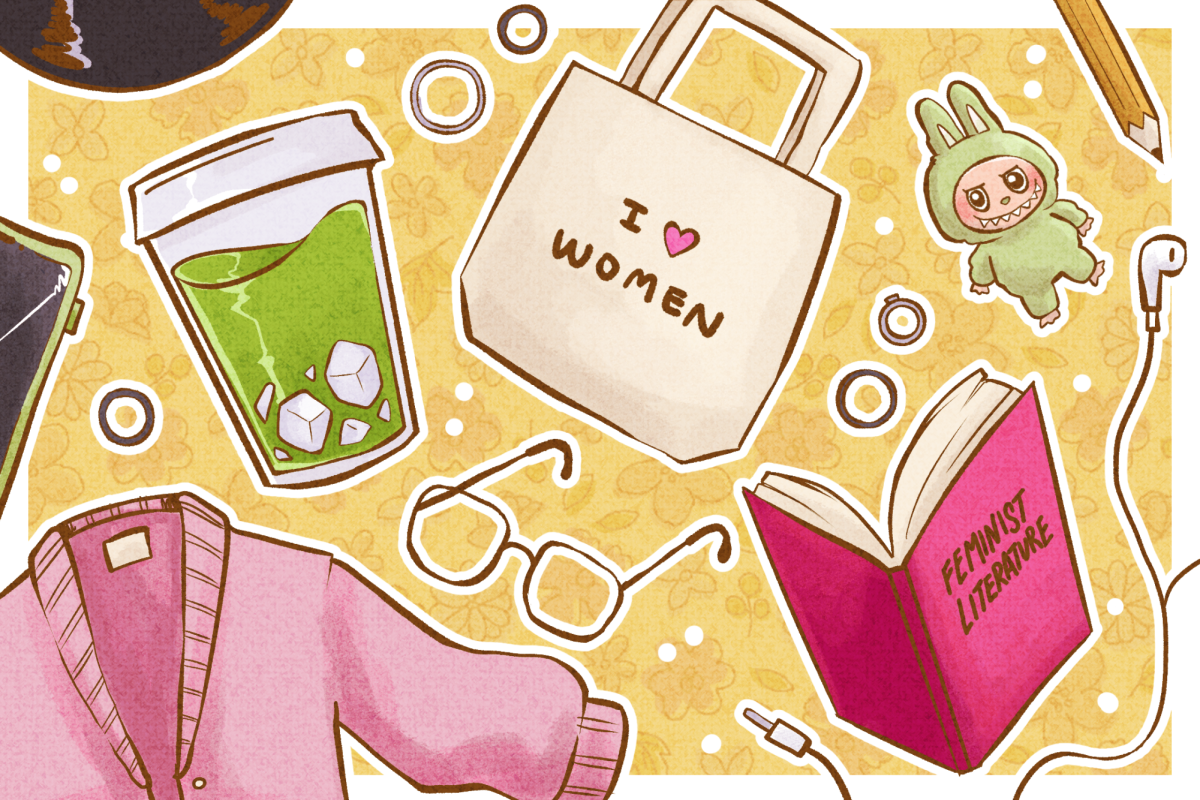
Of course, social media has caught on to this with the “performative male” meme among Gen Z, a satire of men who adopt progressive, soft aesthetics — feminist literature, alternative music, the works — often to signal compatibility with liberal values. The meme shows awareness. It also reveals that a lot of the energy invested in being a “performative male” goes into optics, not change.
Let’s pivot for a moment. Sometimes soft boys are the least problematic men in the dating pool. They pose less threat than the macho brute and less intimidation than the silent type. But that doesn’t exempt them from scrutiny.
Because soft performance often relies on readability — aesthetic cues, visible wounding, curated emotional archives — it can still exclude. What about men who are vulnerable but not photogenic? What about men who heal in silence? They often get erased.
The soft boy aesthetic is a narrow lane. Its success depends on being legible: clothes, tears, playlists, sensitivities. If you can’t dress the part, you can’t wear the brand. In this sense, the soft boy is a gatekeeper, not a liberator.
Maybe he genuinely likes his matcha. Maybe he genuinely wants to heal. But if that sincerity stops short of introspection, it reinforces the very architecture he claims to resist. A real male revolution would mean un-performing — refusing curation, letting wounds wander off script, being messy in private. The soft boy rebrands the male ideal; the next stage is to reject that ideal altogether.
“Softness” has to be clammy, not glazed. It must leak, sag, fracture.
Of course, that kind of softness won’t photograph well. It won’t sell you on TikTok or earn adoration in the comments. It might even make people uncomfortable — and that’s precisely why it’s real. Authenticity isn’t optimized for reception; it isn’t algorithm-friendly. The genuine thing is rarely aesthetic. It stumbles before it speaks, it lingers too long, it doesn’t know where to put its hands.
None of this is to say that any public emotionality is suspect. Many are trying and fumbling their way through cultural change. And change always looks messy from the inside. But sincerity is quieter than spectacle; it’s easier to spot the cracks when someone doesn’t want an audience. And those cracks are where real transformation lives.
Because, at this moment, the biggest risk isn’t that softness will fail. It’s that the deeper questions of power, accountability, emotional labor and unlearning remain untouched. The performative male fears losing his audience; a truly transformed man may not care whether anyone is watching.
If the soft boy wants to evolve, he must stop branding his wounds, stop curating his growth, stop seeking applause for being nice. Let vulnerability be messy. Let it be unseen. Let it cost power. Because only then does softness stop being another facade for hardness and start being what it was meant to be: collapse, change and maybe redemption.
Naavya is a senior in LAS.