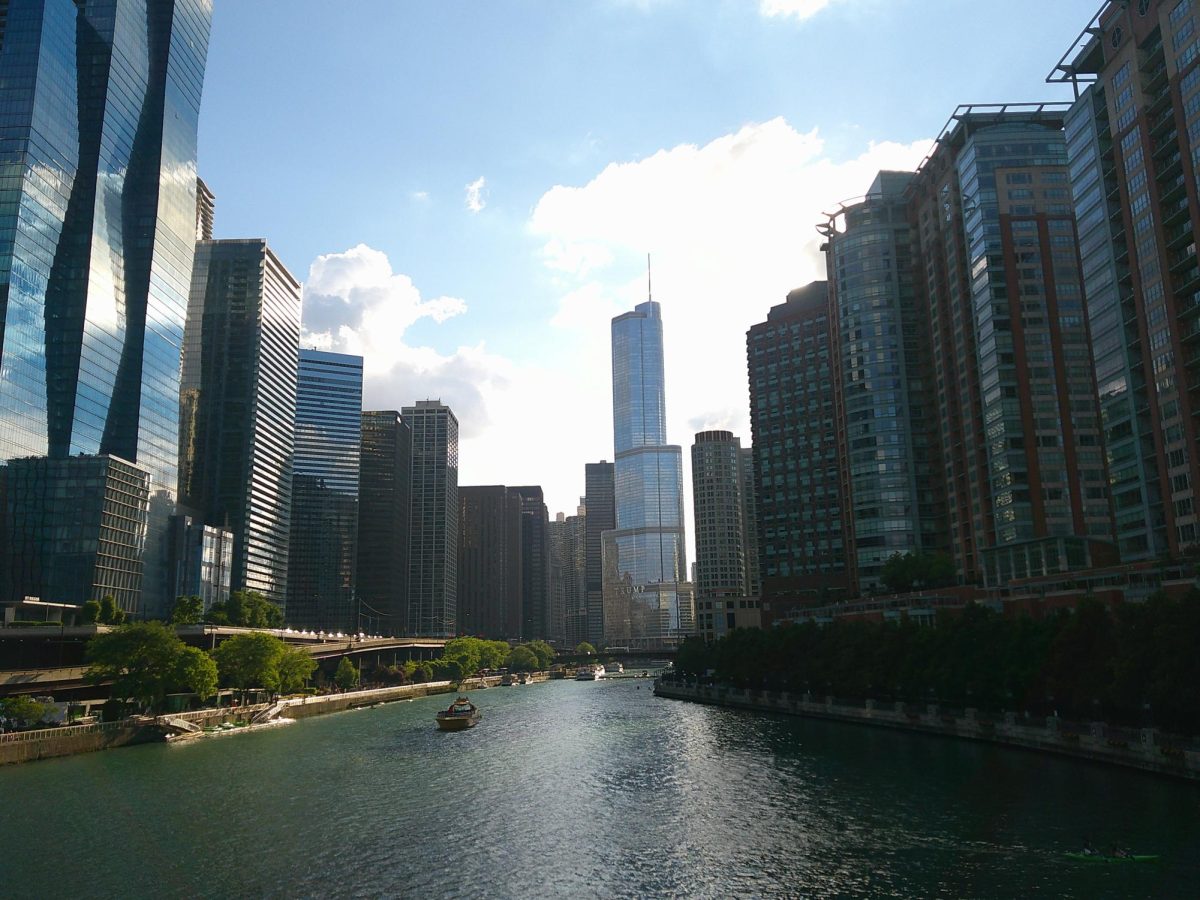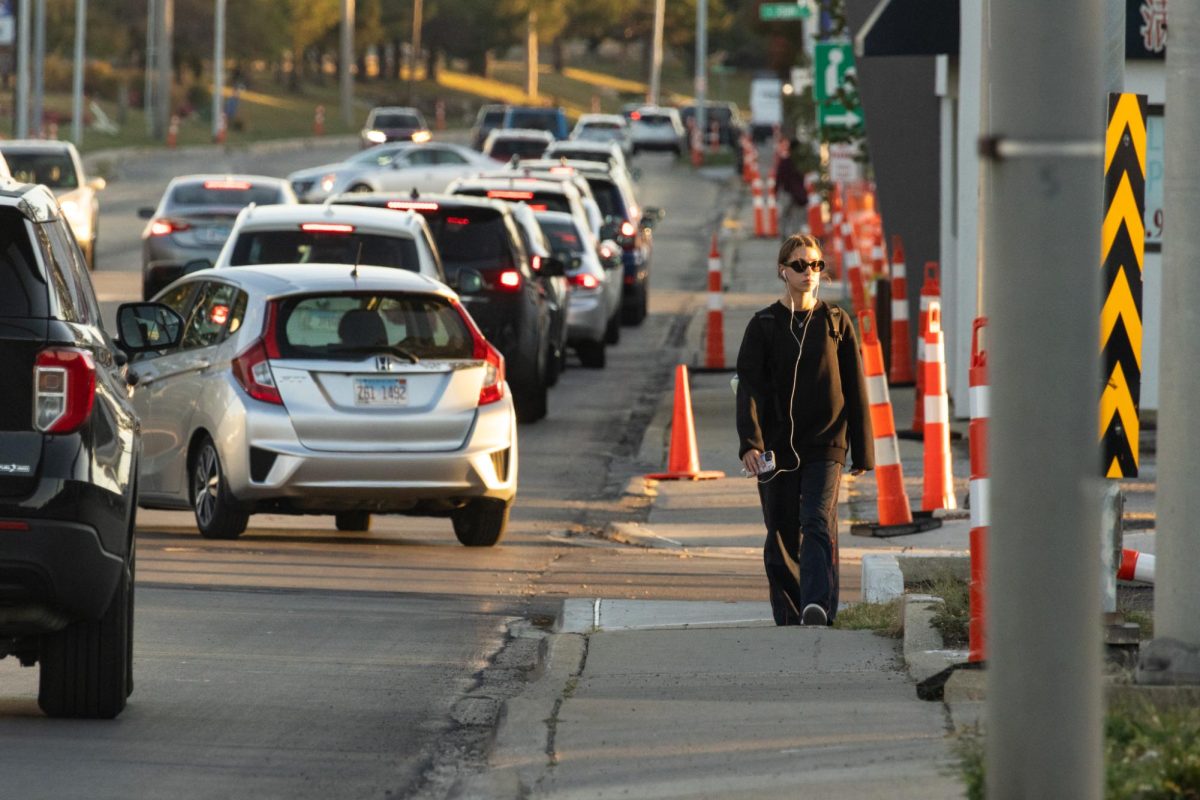
While car advertisements often show images idealizing the open road, the reality of a city’s dependency on cars is much bleaker.
“Stress of continually navigating roads and traffic, the loss of physical activity from not walking anywhere, a reduced engagement with other people and the growing financial burden of owning and maintaining a vehicle” are just some of the negative consequences of driving, according to a study reported on by The Guardian.
To drivers in the United States, cars represent choice, personal freedom and empowerment. They are required for us to travel to the grocery store, to work or to a friend’s house. Yet, while cities continually build automobile infrastructure, cars actually limit our freedoms and cost the U.S. unnecessary billions to get from point A to point B.
This reliance on vehicles is unsustainable.
We, as a nation, must reverse our dependency on cars to create cities that work for everyone.
Get The Daily Illini in your inbox!
I do not mean we should ban all cars. Cars play a vital role in a vast array of transportation options. Instead, cities should prioritize public transportation, bicycle infrastructure and walkability while still enabling car travel so that everyone, including the 30% of Americans who cannot drive, can reach their destinations.
According to the Institute for Transportation & Development Policy, Americans also spend more on transportation than their European counterparts. Because European cities intentionally build more cycling infrastructure and invest more in public transportation, their transportation system allows Europeans to access their destinations without the undue costs of vehicle ownership.
Car ownership costs Americans nearly $12,000 a year in maintenance, insurance and gas, not to mention the fact that vehicle crashes cost the U.S. an estimated $340 billion in 2019.
Single-family zoning reinforces America’s dependency on this expensive form of transportation. Inadequate investment in public transit and excessive parking minimums force developers to build needless amounts of parking and make other options unreliable.
To create more livable cities of the future, local governments must challenge this status quo. One way to achieve this goal is by eliminating parking minimums, which the City of Champaign did in 2015.
Champaign eliminated this requirement for new apartments on campus. The policy change allowed developers to follow market demand for parking, instead of dictating how much to build. In return, developers saved on construction costs — upwards of $50,000 per space — which left more money to create nicer units and add more amenity space.
In a study conducted eight years after Champaign removed its minimum parking requirement in Campustown, 84% of all new developments provided less parking than what was previously required. Nineteen percent built zero on-site parking.
By removing the parking minimum, Champaign decided that Campustown should break from car dependency and embrace walkability, cycling and public transportation. By removing the minimum, Champaign creates lively and active neighborhoods.
Recent examples of other cities reversing car dependency include Minneapolis, which recently removed its single-family zoning requirement to promote walkability. New York City implemented congestion pricing to fund public transportation projects.
These types of initiatives provide the freedom to choose how people get around our cities. This is beneficial because each person has their own transportation needs, wants and desires.
After all, different people require different modes of transportation depending on their circumstances or schedules. Relying on the car should not be the only way to move about a city.
The solution to reverse car dependency is to intentionally and incrementally build walkable places by improving cycling infrastructure and increasing public transportation service.
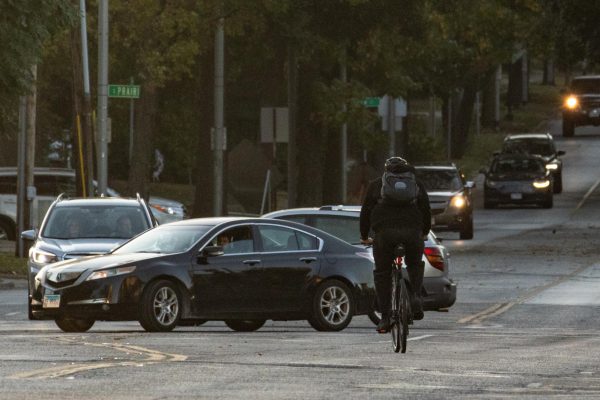
All a city needs to transform itself from this:
To this:
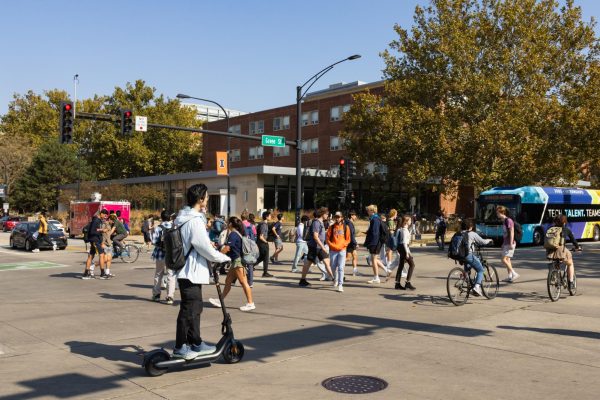
…is an interested and concerned group of people who care about their community.
Efforts to reverse car dependency are well underway, including in cities like Chicago, San Francisco and Portland.
Local activists here in Champaign-Urbana, like the CUrbanism Club, attend city council meetings and hold various events aimed at improving our two cities.
If you’re interested in how you can create enjoyable places to live, also check out movements like Strong Towns, Bike Lane Uprising and Active Transportation Alliance, which are leading the charge to create more vibrant and walkable cities.
Joe is a junior in FAA.