**For clarity, rap and hip-hop are used interchangeably throughout the article, as both represent the same space in music charts.**
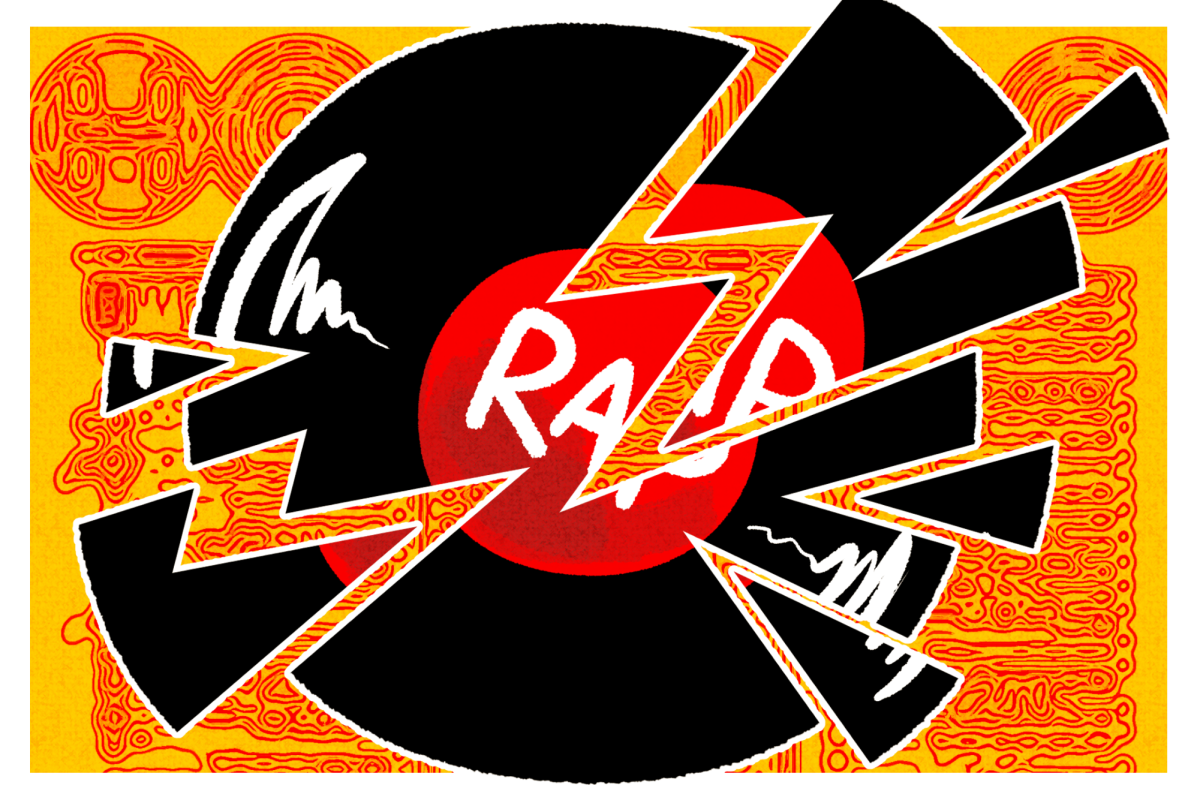
For the first time in over 35 years, rap vanished from the Billboard Hot 100’s Top 40 when Kendrick Lamar and SZA’s “Luther” exited the chart in late October 2025. One of America’s most chart-topping, popular and culturally defining genres was shut out of the chart for almost three months. It had left fans worried that the genre was deteriorating.
Additionally, in mid-September 2025, only four hip-hop songs were on Spotify’s Global Top 200 chart, the lowest in its nine-year history. Yeah, fans had a right to be worried — looking back at mid-September 2020, 56 songs marked the chart.
However, the three-month drought is finally over. Pooh Shiesty’s new song, “FDO,” broke the dry spell in late December 2025.
Get The Daily Illini in your inbox!
But this long-awaited entry doesn’t take away from the question that was in the air: Is rap dying?
Some argue it is, while others say that the industry is simply silencing it. Others, though, celebrated rap’s absence from the charts, arguing that artists are taking more control of their brands by no longer appealing to fixed infrastructures like Billboard.
Despite whatever argument, the fact that the genre isn’t as prevalent on the charts as it used to be has been contradictory and confusing. Culturally, rap is still very much alive.
The emergence of “6 7,” a phrase popularized through a rap song, demonstrates how rap continues to influence slang. Female rappers remain culturally relevant, rap songs continue to dominate TikTok dance trends and the brands of hip-hop artists are thriving. Yet, a genre that continues to shape culture, fashion and language is dying on the charts.
While I don’t think rap as a genre is necessarily dying, I do think it could be losing its commercial grip.
It’s not like there weren’t releases during the drought, but rather, they weren’t receiving institutional support. It doesn’t help that some releases were from artists whom the industry has given less support, like NBA YoungBoy.
Especially with Taylor Swift’s most recent release, pop received and continues to receive heightened exposure and support. It always has, but now on a higher level.
When new rap projects happen from underground artists other than those part of the mainstream, they aren’t positioned in ways that allow them to break through.
Another reason rap is losing its commercial grip is that fans are experiencing what they call “rap fatigue.” Rap fatigue is used to describe the boredom, frustration and disinterest people experience with modern rap.
Since its disappearance from the charts, people emerged on social media to express their rap fatigue and explain why they have it. Some criticized the genre for becoming too explicit and predictable.
Unfortunately, the golden age of hip-hop might be behind us.
Hip-hop’s first golden era in the late ’80s and early ’90s was marked by the culturally groundbreaking presence and social consciousness of The Notorious B.I.G., 2Pac, Public Enemy, Lauryn Hill and a slew of others. I’d argue that there was a second golden era in the 2010s, marked by the groundbreaking commercial dominance and global superstardom of Drake, Lamar, Ye, Nicki Minaj and J. Cole (forgive me if I left out your favorite).
These artists weren’t just trendy; they were superstars who consistently released music that continuously defined culture and the rap industry. For example, Drake totally redefined the streaming era, and Minaj proved female rappers could dominate commercially.
There absolutely are current rappers who are influential and have been successful commercially and culturally, but not quite to the level of the golden age of rappers who were culturally dominant across demographics.
Rap’s commercial decline is either framed as the industry’s fault or rappers not being as good anymore. To me, it could be a mix of both, but to keep the peace, let’s go with the first option.
It seemed as if labels positioned rappers to be superstars during the golden ages, and platforms invested in and supported this. More rappers headlined festivals, were the faces of mainstream media and were heard consistently on the radio. The focus has shifted.
For rap to reinvent itself commercially, it shouldn’t assimilate into what’s desirable for the industry, nor should rappers compromise. Rather, it needs more investment from an industry that will support its evolution. Rap never stopped shaping culture; the industry just allowed it to stop shaping the charts.
Prayse is a senior in Media.