One would hope that, over time, our ability to communicate with one another would get better.
Recently, the “change my mind” conversation has risen in popularity across college campuses. In the 2010s, it started with Steven Crowder’s “change my mind” videos, in which he would set up cameras, a table and a microphone to encourage students to change his mind.
This format has caught on, with other influencers using it for sound bite clips on the internet, such as the infamous “Charlie Kirk DESTROYS the Left’s Abortion Arguments” and “Ben Shapiro OWNS Leftist With Basic Facts and Logic.”
In theory, the concept of “change my mind” is for two well-mannered individuals to have a civil discussion, stating their opinions to see whether one could persuade the other. If one is not persuaded after the conversation, maybe they can find a middle ground, like the Jubilee discussions that create the illusion of civil conversations with the best of intentions.
Do these “change my mind” tables or “middle ground” dialogues actually achieve this? No. These debates are set up to make clickbait content.
Get The Daily Illini in your inbox!
These college campus debates are unproductive and rarely result in meaningful dialogue. I do not mean long-form formal debates — those are productive and contribute to society. I mean the type of “debates” that consist of a talking head setting up a table, chairs and a microphone, setting the stage for a dialogue that will be farmed for sound bites.
Long-form debates are better than the short “change my mind” debates because the former is an exercise in rhetorical skill, and the latter tries to clickbait people to make one political affiliation look like they cannot see facts.
Debate is focused on rhetoric: the ability to be compelling by sounding logical, credible and appealing to one’s emotions. Winning debates has nothing to do with who has better evidence or logical conclusions, but everything to do with how a speaker appeals to one’s emotions.
Long-form debates consist of speeches, rebuttals and a lot of rhetorical skill. For example, the Cornell vs. Harvard debate focuses on whether technology is good or bad for workers. This debate is not based on who has better evidence, but on who can use their evidence more effectively.
These debates promote critical thinking and oratory skills; they compel others to think about things from a rhetorical perspective. People should attend and learn from these debates to refine their argumentation styles.
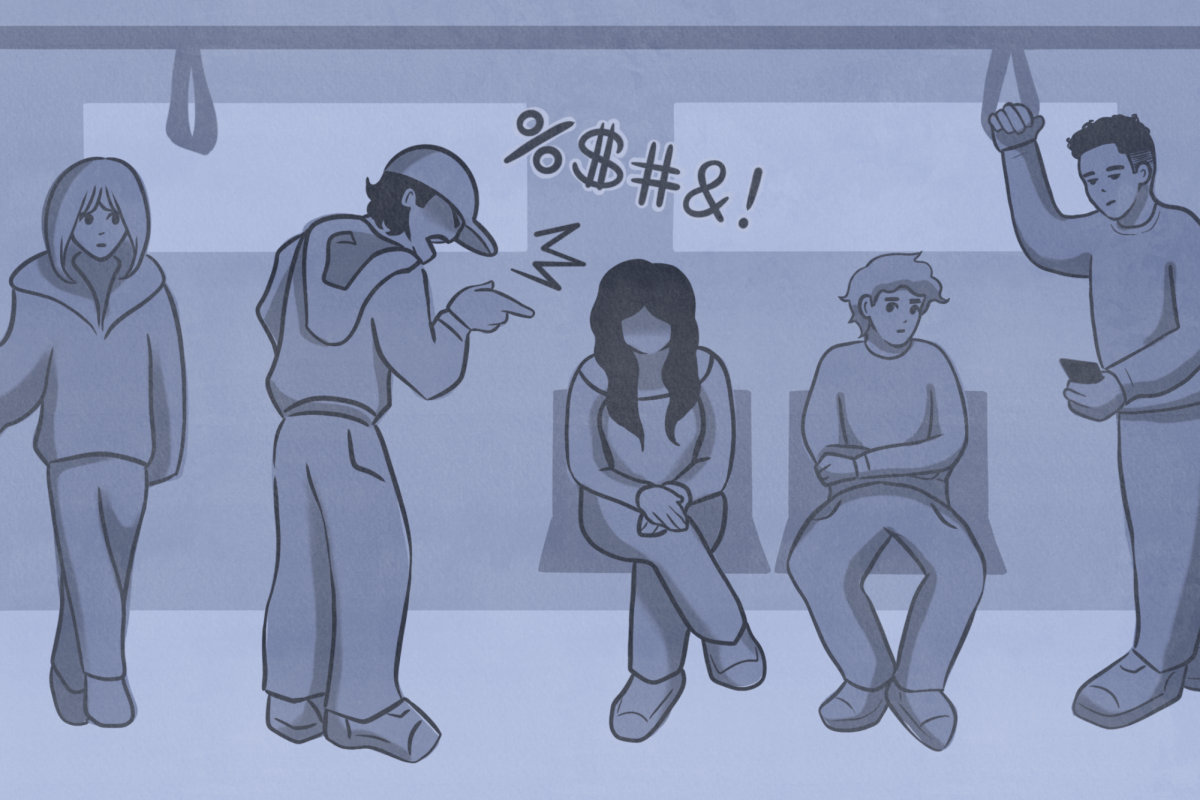
Long-form formal debates are useful. The “change my mind” debates are different because they focus on subjugating the conversation in order to capture entertaining content for TikTok. Social media is flooded with videos of influencers debating students about social topics, using logical fallacies to make the students look like they do not know what they are talking about.
Some students attend these either with the mindset of, “I am going to get this guy and play his own game by using bad debate tactics,” or with the idea of, “being civil might actually change his mind.”
However, the entire setup of this style of “debate” is not actually a debate. Even when students come with an intention of wanting a civil debate, thinking they can meet middle ground, the “change my mind” format prevents any sort of middle ground being found.
Why continue to show up somewhere where they will claim that you have “bad evidence” or “bad logic,” when that is not what debate is even about? These content creators already have tactics in their pockets to make the student sound silly and not to actually come to an understanding or middle ground.
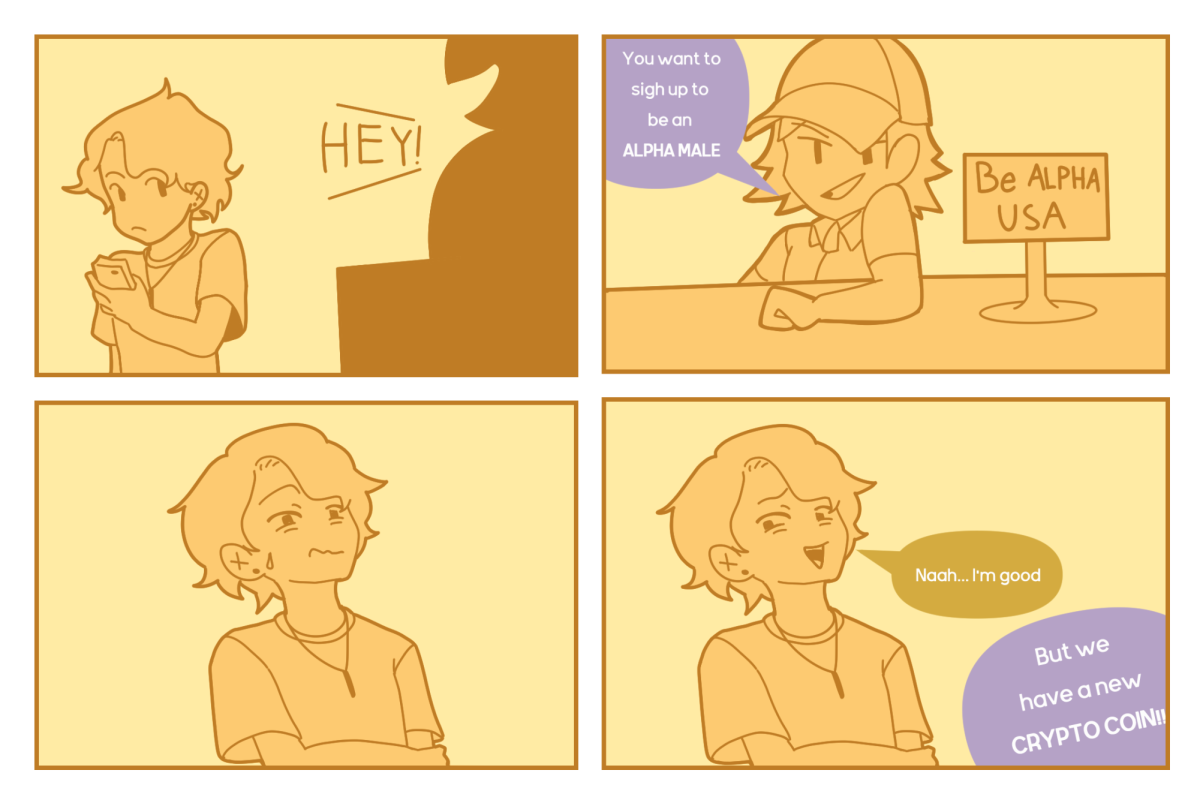
On the Main Quad, Turning Point USA, an organization known for going to campuses to persuade students, has set up its table a few times.
Stop giving these companies a platform to humiliate people in front of a camera. Do you actually want to change minds? Do so by sitting down with a friend, family member or someone who mutually agrees that you are their equal peer. Genuinely listen to them and hear them. Ask clarifying questions.
Make a real connection by attempting to put yourself in another’s shoes rather than focusing on winning a performative debate for all of TikTok to see. This approach restores a connection between people. You can tap into something very universal and gain a higher understanding of other people by listening with patience and empathy to facilitate active listening.
Real conversations build bridges into someone else’s life, whereas clickbait farming only makes everyone deeper in their isolation.