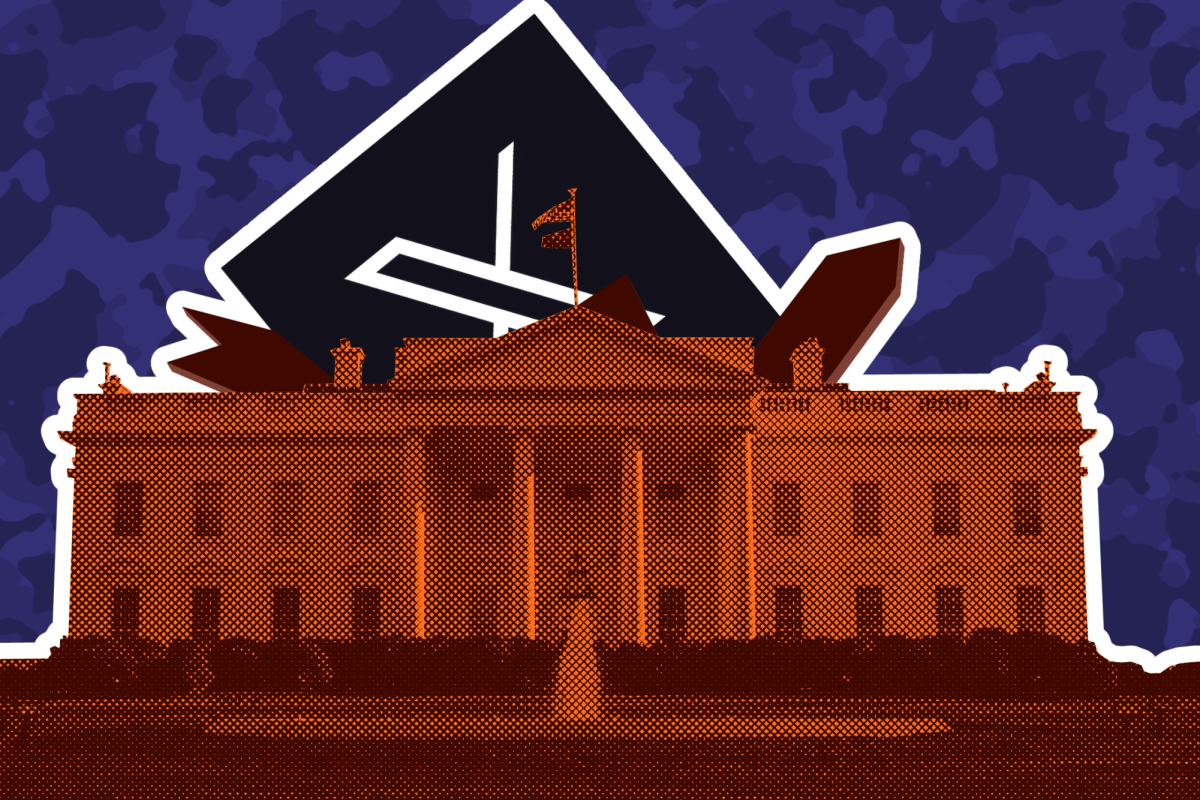
The University’s Illini Republicans RSO made a statement on Jan. 30, reaffirming its stance on Immigration and Customs Enforcement. Its statement defending ICE and attempting to justify the murders of Alex Pretti and Renee Good was not just unnecessary, but deeply inhumane.
In its post, the organization described ICE’s actions as justified and suggested people were weakening their laws.
While supporters may rush to defend it as “free speech,” that framing misses the real issue at hand. This controversy is not about the right to speak on your beliefs, but about how cruel and dehumanizing language is increasingly excused, normalized and even celebrated in our political culture. At the University, this debate quickly escalated beyond Instagram and prompted responses from other RSOs on campus.
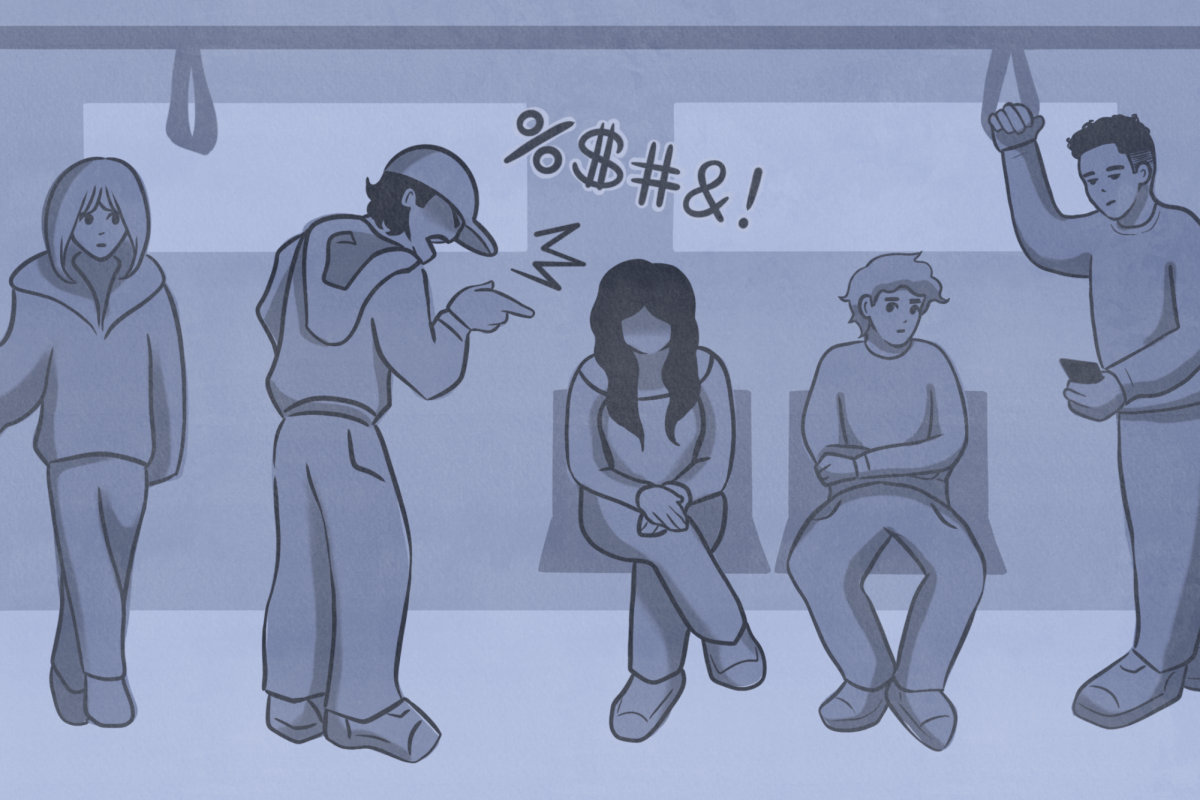
What makes this moment especially alarming is not that a student organization chose to use divisive rhetoric, but how unsurprising it felt. Statements like this no longer shock us the way they should. Instead, they register as expected. Hostility has become so routine that few people even bother disguising it anymore. That should worry us. For many students, particularly those who are international students, first-generation students and come from immigrant families, this rhetoric feels like an insult to their lived realities.
This shift did not happen overnight. The past month alone has shown how rhetoric from the Trump administration continues to shape public behavior and political norms. When our own leaders use language that paints immigrants, political opponents and dissenters as threats to be eliminated rather than people to be engaged with, it sends a clear message: Cruelty is acceptable, and consequences are not guaranteed.
Get The Daily Illini in your inbox!
This behavior doesn’t remain in Washington to handle. Instead, it trickles down into campuses, communities and everyday discourse. When a student organization at a public university takes on language that appears to justify harm, it reflects on how national politics has made its way into local spaces, including classrooms, student organizations and shared campus environments.
As a result, it becomes harder to hold individuals who use such derogatory language accountable. If it’s been accepted by the administration, it allows those to continue with the cruelty of other human beings, and calling Americans “traitors” is not treated as unacceptable. Instead, it’s bold and patriotic.
Marquette University saw the same campus-level split in attitudes. Student leaders and groups described fear and outrage over ICE’s actions. Marquette College Republicans defended the agency as “important” for national safety, showing how quickly a federal issue becomes a polarizing fight between student organizations.
At Clemson University, students didn’t respond with a back-and-forth clash, but instead hosted a vigil for those harmed by ICE. The speakers explicitly referenced Alex Pretti and Renee Good by name to commemorate them. This example is proof that these incidents are being processed as a human loss, not just politics.
Together, these examples show a recognizable pattern across campuses: When dehumanizing rhetoric creeps its way into small communities, students respond by organizing and speaking publicly through statements. These communities refuse the idea that cruelty is just another opinion we’re supposed to accept.
American values have been associated with ideals like freedom and equality. Yet, in today’s political climate, those same values are being twisted to justify violence, oppression and dehumanization. As a result, ideas like freedom and equality are not being applied to everyone equally, but only to some.
Labeling people as “traitors” for holding different political beliefs does not reflect patriotism. It reflects a willingness to erase others’ humanity for the sake of remaining loyal to one’s ideological party. Patriotism should be about protecting American principles, not weaponizing them.
This is what happens when a country is led by unqualified and disingenuous figures who believe that moving the nation “in the right direction” means silencing, shaming or threatening anyone who disagrees. Those who oppose are no longer seen as people shaped by different experiences or priorities, but treated as enemies.
The normalization of this behavior is what is actively harming our country and deepening its divisions. When violent rhetoric is excused as honesty and cruelty is rebranded as strength, we lose any meaningful sense of responsibility to one another. If division and dehumanization are now routinely packaged as “American values,” then we’re the cause of our own future consequences.
Hajera is a junior in LAS.