Illinois Democrats did not just learn the wrong lesson from the March 17 primary, but in too many races, learned nothing at all.
Once again, candidates backed by enormous outside spending were able to compete without building genuine grassroots support, but the Progressive candidates helped create the conditions for their losses by refusing to act strategically. Outside money mattered, and pretending otherwise would be a lie.
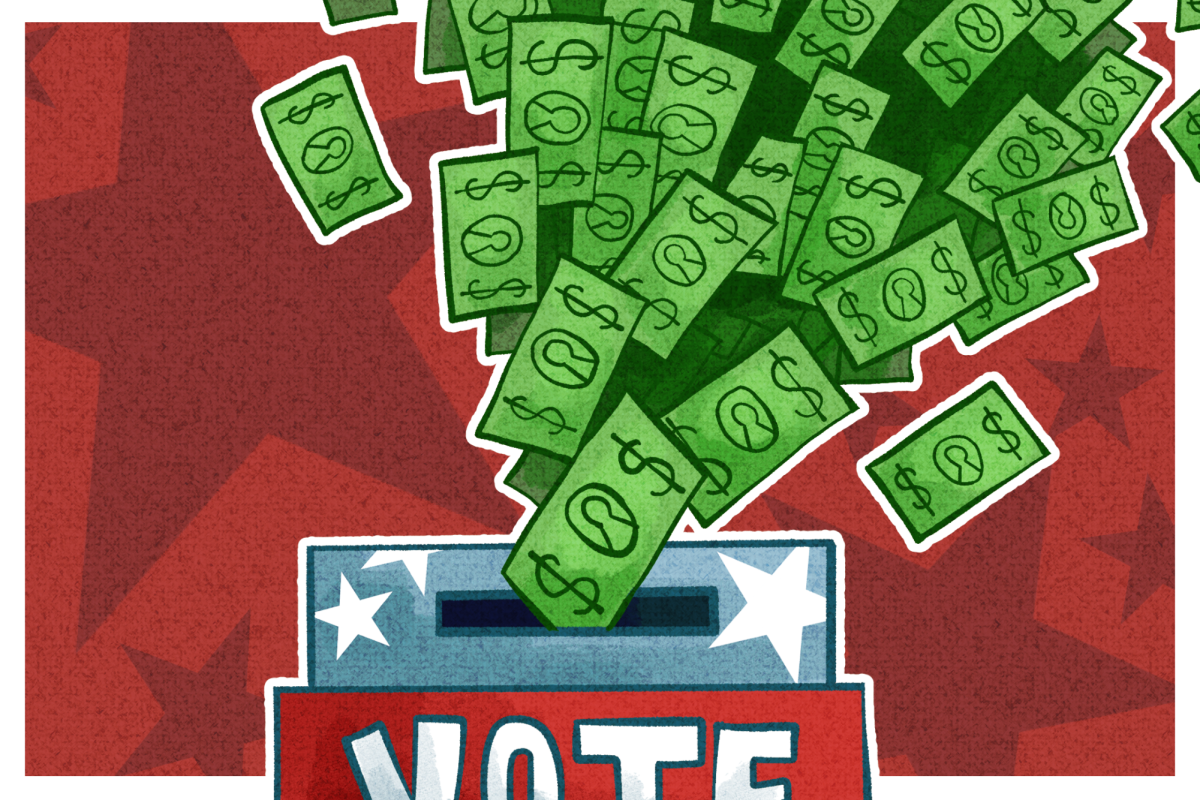
In four congressional races in the Chicagoland area, large PACs spent more than $18 million in February, with major spending tied to pro-Israel groups, cryptocurrency and artificial intelligence interests. In the 2nd Congressional District, formerly Rep. Robin Kelly’s seat, an AIPAC-affiliated group spent $2.4 million backing newly elected Rep. Donna Miller. In the 8th Congressional District, pro-Melissa Bean groups spent millions more, while other advertisements from crypto and AIPAC worked to portray Bean as a Progressive fighter.
These campaigns were not driven by real enthusiasm from the community but instead were carefully shaped by wealthy donors and political groups that knew exactly how to take advantage of divided races.
What made this outside money corrupt was not just the amount spent, but how it was used. AIPAC-affiliated groups did not operate under names that clearly showed who they were. Instead, they hid behind PACs with vague names like “Elect Chicago Women” and “Chicago Progressive Partnership.”
Get The Daily Illini in your inbox!
These groups also attacked pro-Palestinians from the left, questioning their values and using misleading messages to split the support. This speaks volumes about the direction of Illinois politics. Progressive messaging is valuable enough that even groups working against it can use it to their advantage.
However, blaming outside money is too convenient in this race. Progressives have to take accountability for how they enter races as if having the right values is enough to win. Politics is not only about being right and winning elections, but about building coalitions, consolidating support and understanding when your presence in a race helps the cause and when it hurts it.
In the 9th District, 15 Democrats entered the race to replace Rep. Jan Schakowsky’s seat after her retirement. This reflects a party structure that too often mistakes having a lot of people in the race for having a smart political strategy.
From early polls before the primary, Daniel Biss, Kat Abughazaleh and Laura Fine were seen as the leading candidates. But as the race developed, Biss won with 29.5%, and Abughazalez was just short by about 3%, getting up to 26%.
Another similar candidate to Abughazaleh was Bushra Amiwala. Homegrown in the 9th District, Amiwala’s policy positions and values mirrored Abughazaleh’s. Even though Amiwala was not the top finisher in the race, her presence still mattered, as she appealed to 5% of voters. Due to these similarities, AIPAC-linked groups went to attack Abughazaleh while boosting Amiwala, a move that aimed to split the pro-Palestinian and Progressive votes.
Ultimately, Biss won, but in such a crowded race, the bigger issue was still obvious: Too many candidates were pulling from the same group of voters, giving outside money more room to influence the race.
A better example of strategic politics came from New York, where Brad Lander and Zohran Mamdani cross-endorsed each other in the 2025 mayoral race in an effort to consolidate anti-Cuomo voters under ranked-choice voting.
Illinois doesn’t have ranked-choice voting, but the larger point still applies. Candidates who genuinely want change should be willing to build coalitions and read the race in a way where someone has the best chance of making a difference.
The real failure in this primary has two sides. On one hand, wealthy outsiders keep pouring money into Democratic primaries because they know they can flood voters with ads and build up candidates who did not earn that support on their own.
On the other side, Progressive candidates and groups still too often act like every seat should go to the person who wants it most, instead of the person who has the best chance at winning. Some candidates stayed because they felt entitled to the position, while other groups refused to unite because they were afraid of choosing the “wrong” candidate. With these divided races, weakened support and victories going to candidates with donor backings or establishment support, the outcome is not surprising.
Although every candidate has a chance to make their mark and fight for the things they care about, real leadership sometimes means stepping back. Sometimes we must recognize when another candidate is better positioned to unite the movement, broaden the coalition and stop harmful money from dictating the results.
Too many self-described “Progressive” candidates speak about solidarity as an important value — which it is — but campaigns don’t always put the shared strategy into practice. When that happens, the movement can suffer as a whole, even when individual campaigns are well-intentioned.
This broken structure of primaries only makes things worse. A survey from FairVote noted that 65% of respondents said they would support using ranked-choice voting in Illinois, compared to just 17% opposed. That means candidates can win even if most voters do not choose them, especially in crowded races where candidates are competing for the same type of support.
In these kinds of situations, money has even more power because outside groups do not need to win over the majority. They only need to sway enough voters in a split race to affect the final outcome.
If this were to ever be adopted, outside money will continue to shape elections it should never have the power to control. AIPAC, cryptocurrency and AI money didn’t just influence these primaries from the outside, but found openings in crowded races, making it easy for money to shape the outcome.
Although outside money is a factor in distorting elections, it may not be the only one. It is also that the Progressives who want real change cannot afford to keep approaching these races without building strong coalitions and coordination.
This is not about saying candidates who ran campaigns were not capable or committed. But more so about recognizing when several candidates are running on the same ideas and values, a divided race will only benefit the people and groups with the most money.
Hajera is a junior in LAS.