At the height of the climate movement of the 21st century, restoration and the preservation of our natural landscapes have been the reason behind demands for environmental changes across the United States.
The modern environmental movement and the first environmental movement of the late 20th century, despite holding the same overarching goals of clean, safe and healthy environments for Americans and their children, come in drastically different stages of reliability in execution.
Anthropogenic alterations can not be ignored when discussing methods of change and ensuring diversity across our ecosystems and landscapes. Communities, governments and media have portrayed the idea that we need to consume less and be sustainable to restore our ecosystems to their former glory.
But in reality, this simply isn’t possible. Generations of rapid development and irresponsible consumption and standards of living have altered our environments in a way that they can not feasibly be reversed.
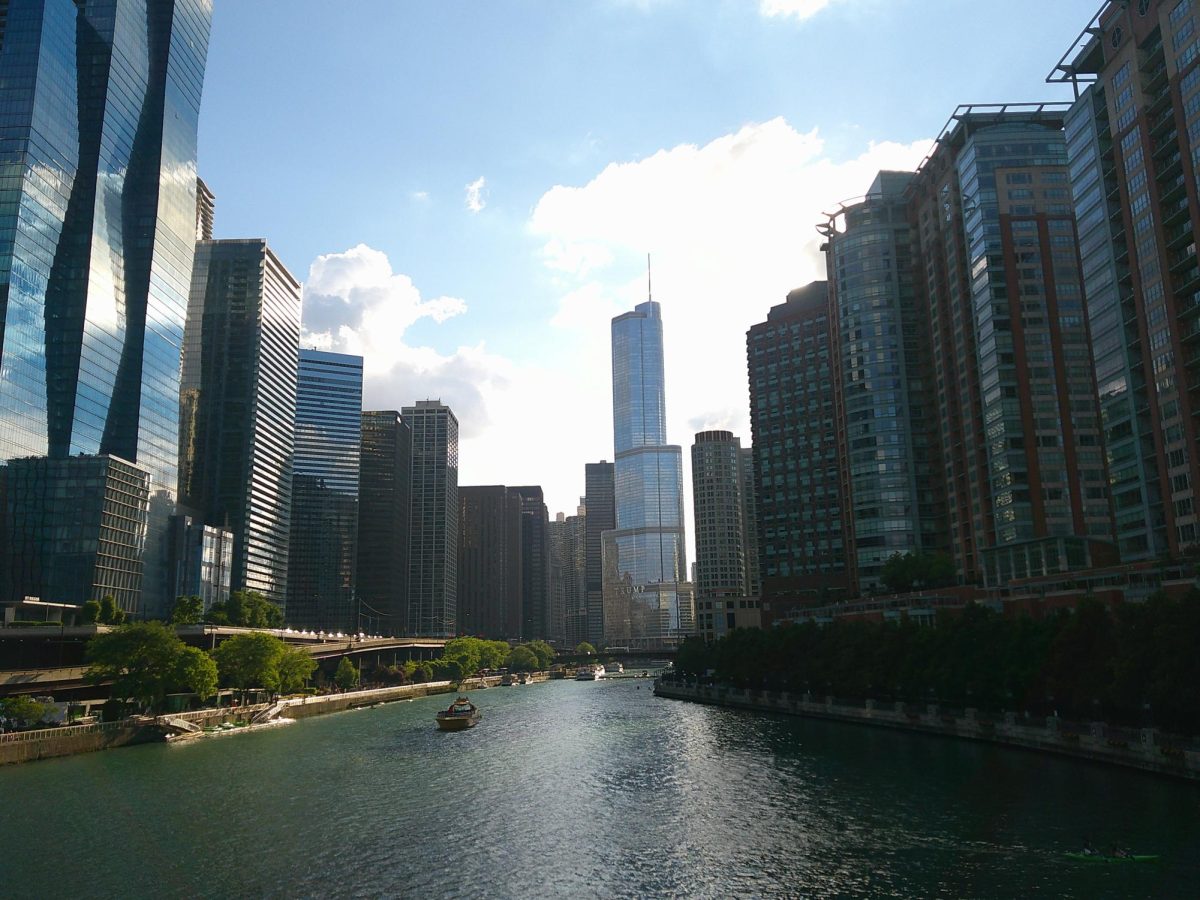
The Chicago River, an ecosystem known for its engineering marvel of the 19th century, its annual green appearance and its filth, remains a focal point of ecological restoration for Chicago city officials and local climate movements.
Get The Daily Illini in your inbox!
Plagued by decades of pollution, industrial waste and trash dumping, the effects still continue well into the 21st century. The same environmental issues are present throughout other local rivers.
In the status quo, efforts to improve the quality of water in the river have been raised to combat declining ecosystem health and biodiversity. At the Illinois River, officials are fighting the same problems found in Chicago — invasive species, polluted water and poor water quality.
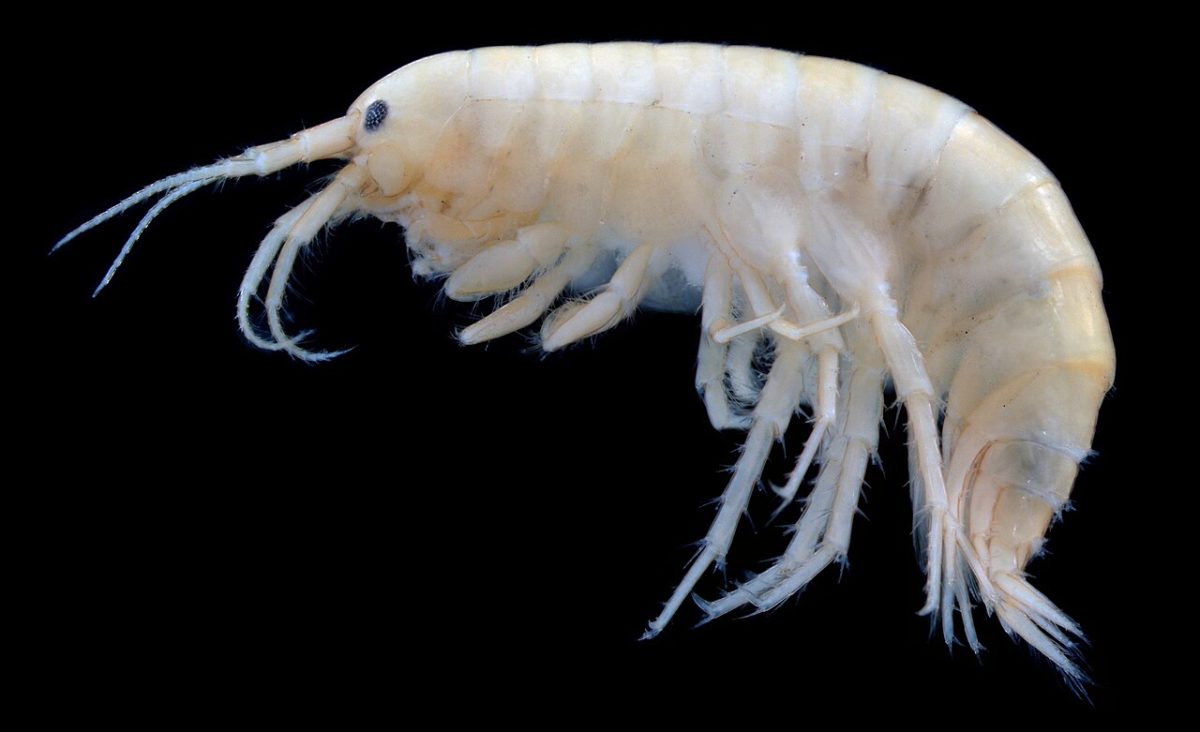
Yet the poor water quality of the Chicago River actually proves to benefit ecosystems — in the short run. What separates the Illinois from the Chicago River is the presence of the invasive freshwater shrimp, known as scud or Apocorophium lacustre.
Devastating to local ecosystems, scud can survive at a range of dissolved oxygen levels. The omnivores that can rapidly reproduce will eat literally anything in sight that was once alive or is alive. This poses major competition and altered food chains to native species of plants and fish.
Scud has rapidly made its way into Illinois waterways, still slowly moving toward Lake Michigan. Fortunately for Chicagoland natives and residents of the Great Lakes region, the Chicago River in its polluted form is the main barrier stopping the spread of scud.
The waterway is so polluted that the level of dissolved oxygen is so low that the freshwater shrimp do not want to and can not reproduce there. An invasive species that is so versatile and can live virtually anywhere is stopped before it leaves the Windy City.
As climate groups advocate for the restoration of ecosystems and the improvement of those such as the Chicago River system, what we see is the potential for worse ecological catastrophes.
If scud and other invasive species make their way into the Great Lakes, it will become virtually impossible to protect local species and biodiversity. The emphasis of the modern climate movement needs to shift focus from reversing human impact to acknowledging that what we’ve done is too far gone to restore the pristine environment.
Instead, the movement needs to focus on the preservation and long-term sustainability of our current environment — eliminating what is feasible and beneficial in the long term.
I am not saying that we should collectively stop monitoring greenhouse gas emissions or discredit the health crisis of climate change. These impacts and changes to the quality of life of Americans are very much present and a real barrier to the cities, landscapes and communities of the United States.
In terms of balancing the ecological weight of poor water quality versus billions of freshwater shrimp in the Great Lakes, it is a difficult choice where officials have to pick the bigger scale of impact: a river system versus virtually every waterway on the East Coast.
The burden of scud in our waterways has raised the question of what we should do and how we should do it. In response to the continued deterioration of our environment at the hands of humans, action needs to be taken, not avoided. Accountability at all levels of government in our country needs to be at the forefront of acknowledgment and growth for a sustainable future.
This poses a new approach to properly address anthropogenic climate change and to ensure the generational goal of sustainability across the United States and future generations of America.
What can be done to alleviate the stress of climate change, first as individuals, is to understand how your choices, lifestyle and actions contribute to environmental pressures.
Preserving our ecosystems and reducing environmental stressors is not a “shrimple” action. To protect our waterways and ecosystems, aquatic or not, it takes collective action that starts with a broader understanding.
Samantha is a freshman in LAS.