I don’t use Instagram a lot. Forgive my behavior in a country where 76% of adults aged 18-29 are Instagram users, but I just prefer social media apps from my own country.
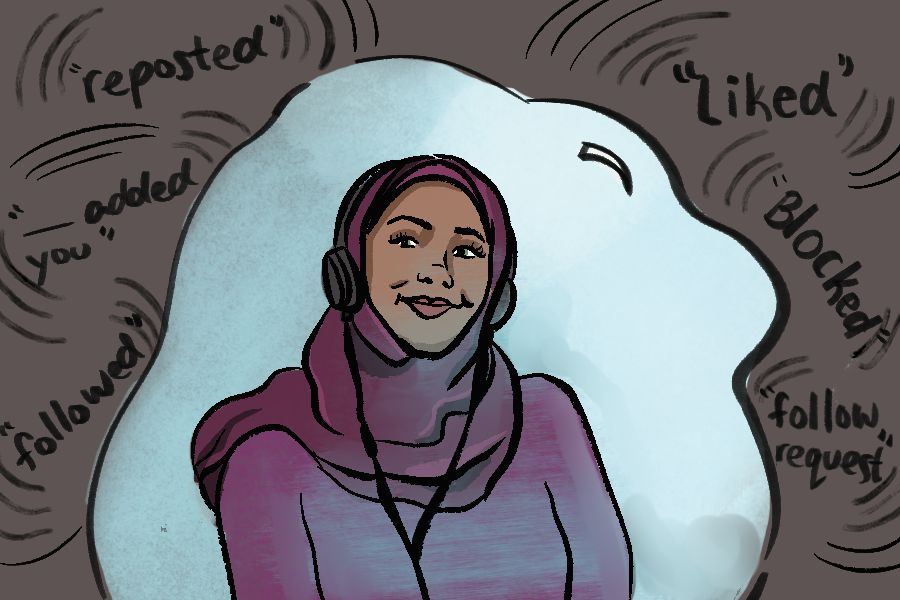
However, during midterm week on campus, my message notifications on Instagram hadn’t stopped beeping. I picked up my phone, glanced at the message source — ah, it was from my group project chat!
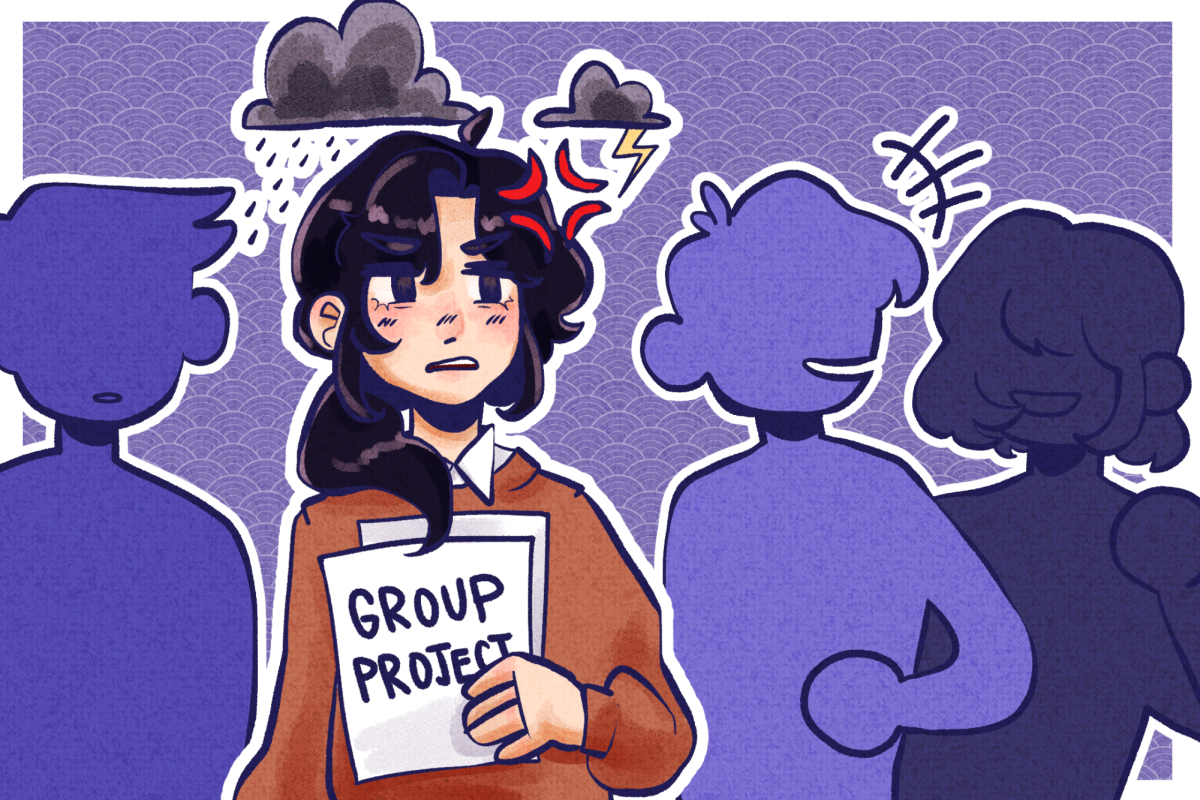
It was only my first midterm week at the University, yet I already had five different chats for group projects. It’s not necessarily a bad thing; at least it means I’m making friends and expanding my social circle, right?
Unfortunately, no. Partnering with unfamiliar students in my class, with the ultimate goal of presenting a group project, rarely feels like a meaningful process.
You arrive in an unfamiliar room, meet eager peers and move toward a bright goal, but it becomes more like a business partnership that immediately terminates once the project is completed. You’re in the chat for your midterm grades not socializing.
Get The Daily Illini in your inbox!
I sit in my chair surrounded by my group mates, work on the project, hand in the report — and the story ends. The once-busy chat falls silent, conversations fade and I often struggle to remember my group mates’ names.
The awkward mode of interpersonal communication is frustrating enough, but at least you’ve learned something about collaboration and mutual conversation.
Maybe, but here’s something I’ve noticed: The so-called group project is often reduced to another form of individual work in the middle and later stages.
Normally, a group project begins when we’re assigned a topic for the class. As usual, we discuss the research aspects and decide who’s responsible for each section while setting a due date.
That’s where things start to go off track. Once I’m back in my dorm, all I have to do is open my laptop and start working on my part of the task. Notice anything? At this point in the process, I’m still working on my own.
I don’t even have to meet my group mates again after the initial discussion. We complete our tasks separately, in different places, rather than working as a team. As long as I finish my section, my job feels done and all that’s left is to piece our work together at the end.
This is not group work at all.
How about interacting with individuals with various personalities? A group project is supposed to promote inclusion through collaboration.
But here comes my biggest concern: Personality differences won’t narrow just because people work together in a group. In fact, the discrepancies may escalate.
In all five of my project groups, I noticed a common pattern. There is always a leading figure who decides on the structural progress and overall direction, while others remain more reserved, failing to engage in group conversations.
It all comes naturally. Different people take on roles that suit their behavioral styles and past experiences. The bold become the bellwethers, while those unfamiliar with the group discussion mode, or the relatively introverted, become the listeners.
But clearly, this is not the purpose that group projects are intended to serve. Professors expect to see equal participation, which is why they distribute peer evaluation sheets for group members to assess each other’s roles and assign scores based on performance.
It’s frustrating. These projects often fail to impact students the way they are designed to. Instead of truly collaborating, group members tend to complete their own assigned tasks independently.
I’m not here to blame any professor or the education system, but there is also a limited solution to this issue. After all, as long as the joint goal is to achieve a grade for a class, it is inevitable that everyone will view the process of group discussions through a utilitarian lens.
This mindset undermines the genuine desire to form real connections and the motivation to ensure that every member is fully integrated into the group. As long as the outcome is achieved, the process seems to matter little.
On the bright side, however, my unsatisfying experiences with group projects haven’t been completely meaningless. At least they’ve helped me see what I want from my campus life: true friendship, leadership skills and the ability to interact with people on an equal platform.
I’ve been frustrated by my inability to achieve these goals through group projects, but I now understand that developing those skills ultimately depends on my own initiative. Perhaps the real value of group projects lies in teaching us how to adapt and understand where we stand and grow amid the challenges.
So stop blaming yourself for feeling uncomfortable about group projects after reading this. They’re frustrating enough already, but maybe that discomfort is part of the lesson.
Yueran is a freshman in Media.