Every single person I’ve ever talked to or dated has hurt my feelings. I’m not saying these people are bad or cruel, but their intentions and attitudes toward dating have inadvertently impacted me. This is a generalized statement — and you might be asking, “So what?”
Lately, I’ve been wondering why I’ve had little luck finding meaningful romantic connections. I’ve also been perplexed by the demeanor everyone else seems to carry when it comes to flirting and getting involved.
As I broaden my scope and look at all the examples currently running through my head, I’ve realized one thing: The nonchalance epidemic is upon us, and it’s not stopping.
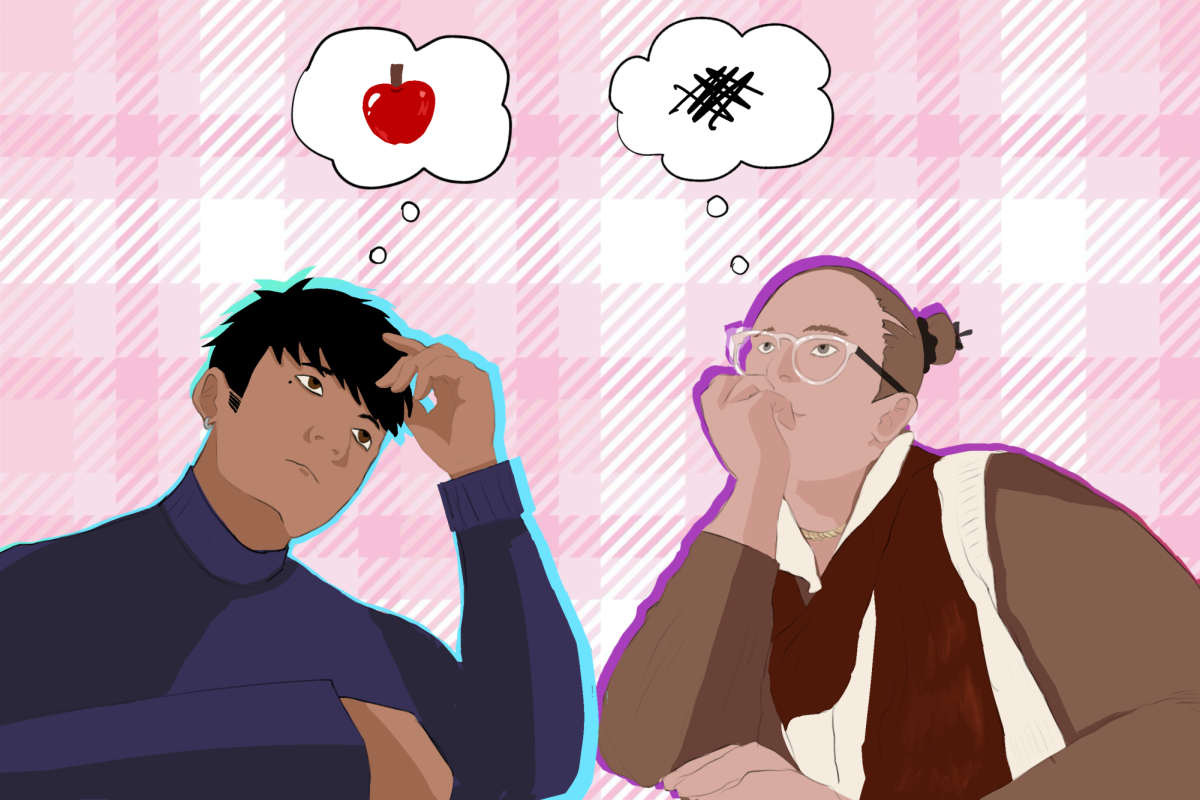
Nonchalance. Aloofness. Uncaring. The attitude I’m singling out can go under any of these names. I’m sure we’ve all encountered the “hot and cold” person in our lives. One day, they’re treating you like royalty, the next day, they forget you’re alive. This kind of connection is an exhausting, emotional tug of war. It leaves you stuck in the purgatory of “How do you actually feel about me?”
Part of this dynamic feels performative. As a deeply sentimental and emotional person, it feels unnatural to string others along, ignore someone or be unclear with my feelings towards others in general. The wiring in my brain might just be fundamentally different.
Get The Daily Illini in your inbox!
I understand some people genuinely don’t care. Romance is a fleeting thing for them — something for entertainment until they get bored. However, I’ve had too many run-ins with this type of person for it to feel coincidental. This attitude has seemingly become part of our culture.
Performativity is already ingrained in us. I recently rewatched the 2005 version of “Pride and Prejudice” — one of my comfort movies — and felt a pit in my stomach. Why doesn’t that old-fashioned, in-your-face yearning exist in my reality? I began to think of what modern-day love feels like compared to Mr. Darcy’s admission of desire.
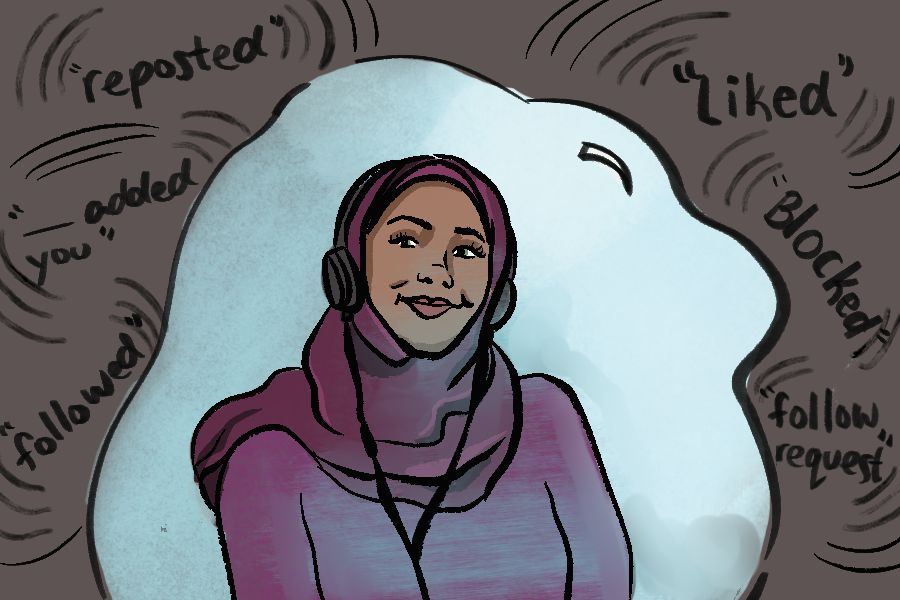
Instead of love letters, we send story likes. I’ll admit that I’ve fallen into the rabbit hole of planning when to respond to someone in hopes of making my replies seem like somewhat of a novelty, and I know others who still do the same. This level of calculated disinterest may be a byproduct of the social landscape we inhabit today.
Many people in younger generations have grown up in the age of easy-access technology. In this era of social media, platforms like Instagram allow you to have profiles that represent your personal brand, basically.
I’ve seen some conversations started online, reported on by major newsrooms, that younger generations are increasingly afraid to be themselves and put themselves out there.
It’s possible social media presence has increased awareness of how others perceive online mutuals outside of the digital landscape. Whether it’s through likes, views or followers, we can easily choose to pay attention to what content makes our online mutuals want to engage with us, and these stats can influence how we feel beyond the screens.
So, when influencers, celebrities, idols and other media figures perpetuate an idea of romantic nonchalance, it tends to bleed into our own personal image.
We all want to seem “cool.” We all want to be accepted and welcomed by others, and sticking to the cultural norm is a safe way to do that. Yet, when you prioritize perfecting your image, clearing your external presence of authenticity, vulnerability in real life can become harder. This surveillance into how we appear contributes to the level of emotional distance we carry.
When most of our interactions are carefully filtered and online, when does that performance really end?
If we dial into the University specifically, the dating culture can be absolutely brutal. It seems like there’s a two-week period of bliss before the romantic goods expire. Suddenly, the air feels colder, and their feelings about you have changed.
Maybe it’s because people want to be involved in hookup culture, knowing they’re surrounded by a seemingly endless pool of attractive potential partners, but this mindset feeds into a vicious cycle of detachment — one that allows people to leave without warning. When it feels like everyone is living in this reality, it makes disappearing easy.
It’s normal to change your mind and realize a connection with someone isn’t what you actually wanted. I’ve done it, and I will probably do it again. However, I have learned that the lack of communication and kindness this campus’ culture allows can make people afraid to be genuine for fear of disrupting the pattern.
As someone who has struggled with this, I’m here to tell you, reader: It’s not your fault others aren’t jumping at you in the ways you wish they would, and it’s not at all hopeless.
As I cope with this lack of communication across the dating pool, I’ve been trying to be the person I’m envisioning: one who doesn’t shy away from expressing how they feel. Each time I say something upfront, send a message making my feelings clear, I get an electric jolt of anxiety coursing through my body. It’s harder than it seems — I know because I’m living it.
The leap of faith sometimes leads to sitting in a ghosted silence created by an uninterested party. I realize how bad it feels to not have the feeling be mutual.
However, through my own trials and tribulations, I’ve found that I always feel better after I’ve chosen to become vulnerable.
In a world where it feels like everyone is only interested in their own motives, how they appear to others and their social climb, it can be powerful to be the one who still holds on to emotion. It’s a good thing to be direct and lay out exactly how you feel, even if it’s met with discomfort.
It’s nice to know that you recognized how you felt and were confident enough to share it with someone. I’d argue that it takes greater emotional maturity than playing the Gen-Z cat and mouse game on Instagram. There shouldn’t be an air of shame around having feelings.
Pretending not to care just to seem “chill” is a learned behavior — one reinforced by a culture-driven narrative that says to young people: How you appear is more significant than how you feel. For some reason, it can feel easier to post your best selfie than to share your thoughts online.
This mindset is leading us down a path of avoidance and detachment, not just in romance but in all forms of connection.
The way our generation communicates and the way our social norms allow us to scroll through others as fast as we scroll through reels makes us forget how to connect with one another in a mature and kind way.
Once I allowed myself to be more open and direct, I repelled a lot of people who weren’t willing to do the same — and that was a good thing. It helped me feel more secure in myself and what I want.
Love in all its messy, awkward, exhilarating forms was never meant to be effortless. So don’t shrink your feelings to fit a culture that treats connection like a game. Caring, showing up, being honest and letting yourself feel is its own quiet rebellion.
So continue to wear your heart loudly. Be the person who sends the first text, who says what they mean, who dares to care. One day, someone will meet you there.
Until next time, dear reader,