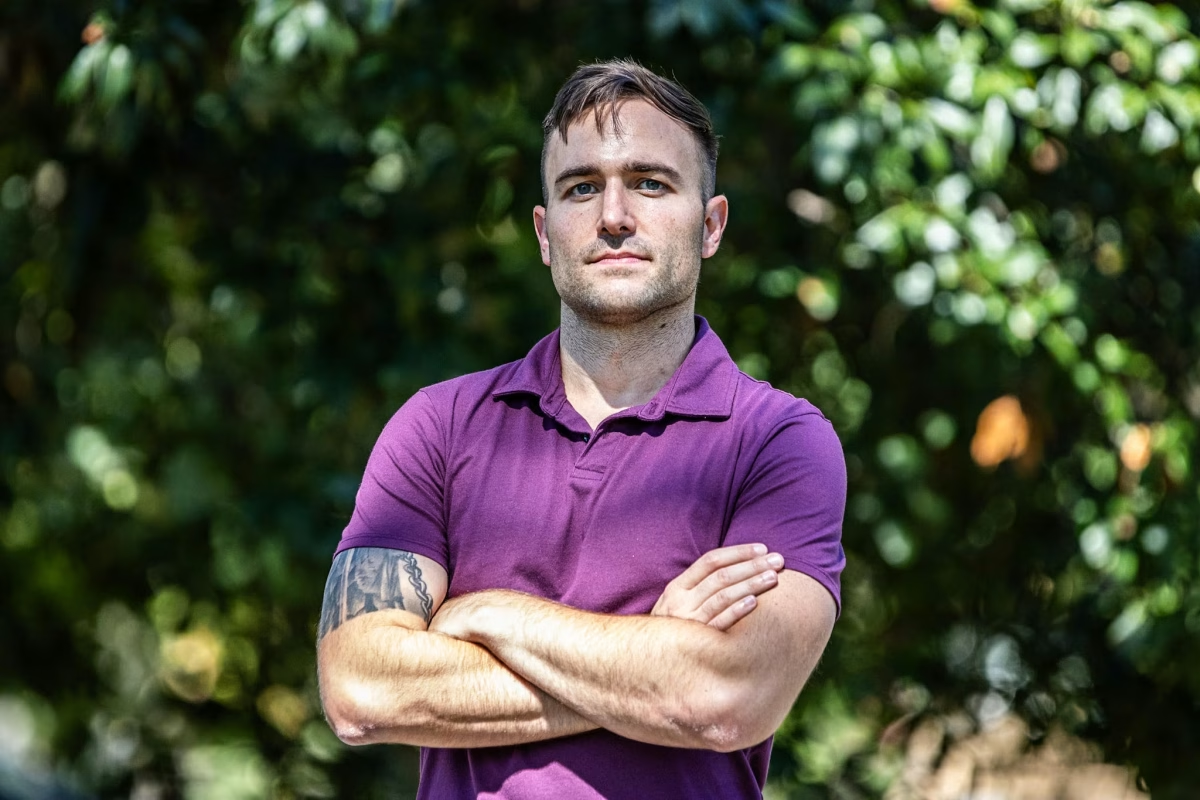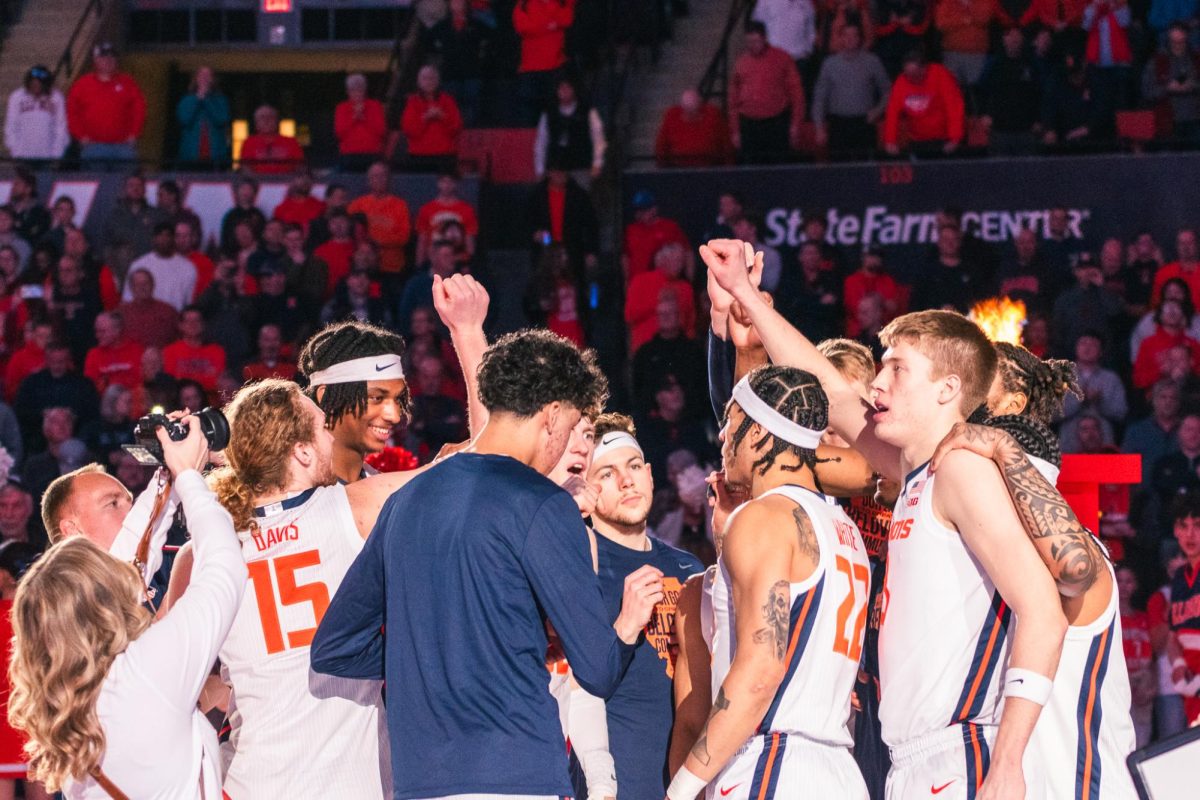
On Sept. 9, alum Larry Gies formally announced his donation of $100 million to the Division of Intercollegiate Athletics, the largest in the department’s history. The former Memorial Stadium was renamed to add Gies’ surname to the title. He said his donation was intended to honor his father, Larry Gies Sr., a United States Army veteran.
The Daily Illini sat down with Gies to hear more about his perspective, touching on his goals, the donation’s impacts and his position on its reception.
**This interview has been edited for clarity and length.**
The Daily Illini: What led you to choose the DIA for your donation?
Larry Gies: I think of our University like a house, right? And to build a great house — and the greatest university on Earth — you need a strong foundation. You need good professors. You need students who are spending time here, not only to learn but to share and to have impact.
But to build the best university, that house also has to have a great front door: something that people will see and be interested in. A lot of people first see the University of Illinois through sports. I know I did.
My dad drove me down to a football game in 1980, and it changed my life, because I was like, “I want to come to this University.”
The University changed my life. It opened my eyes to the whole world. So, for me, I think it’s super important that our sports have the same ethos as the rest of the University.
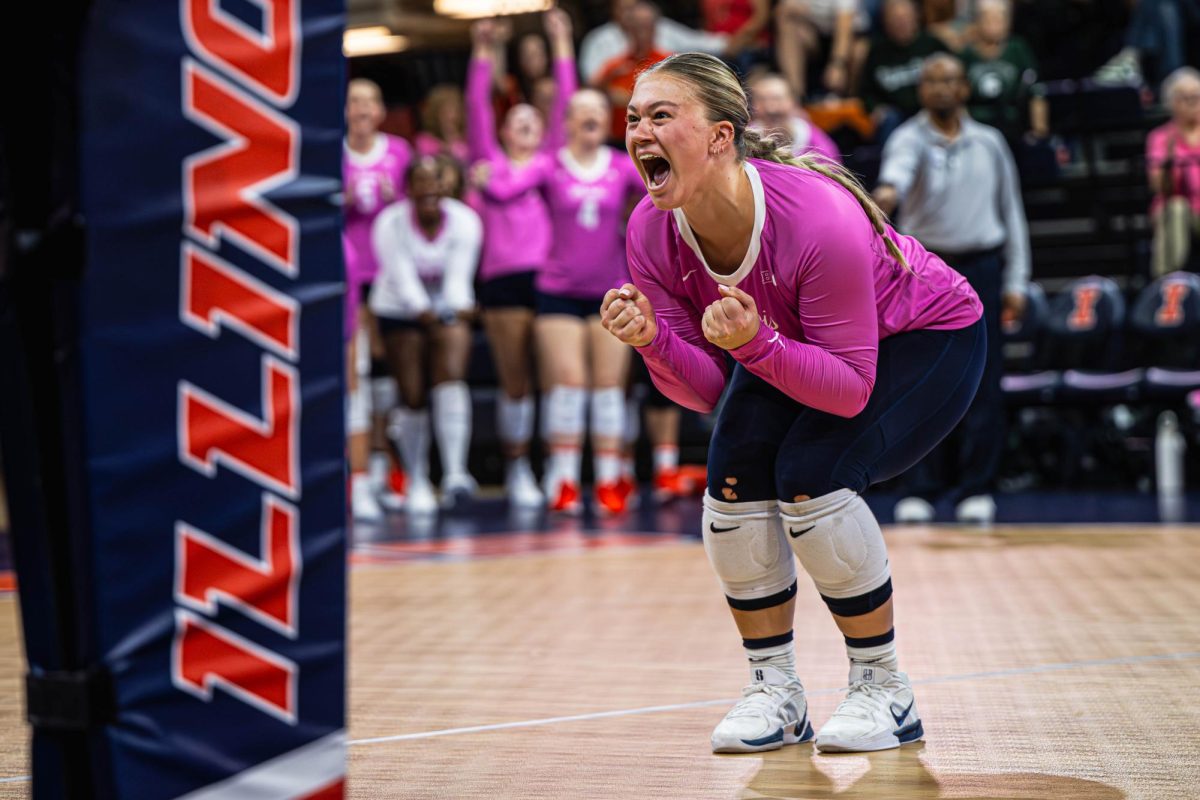
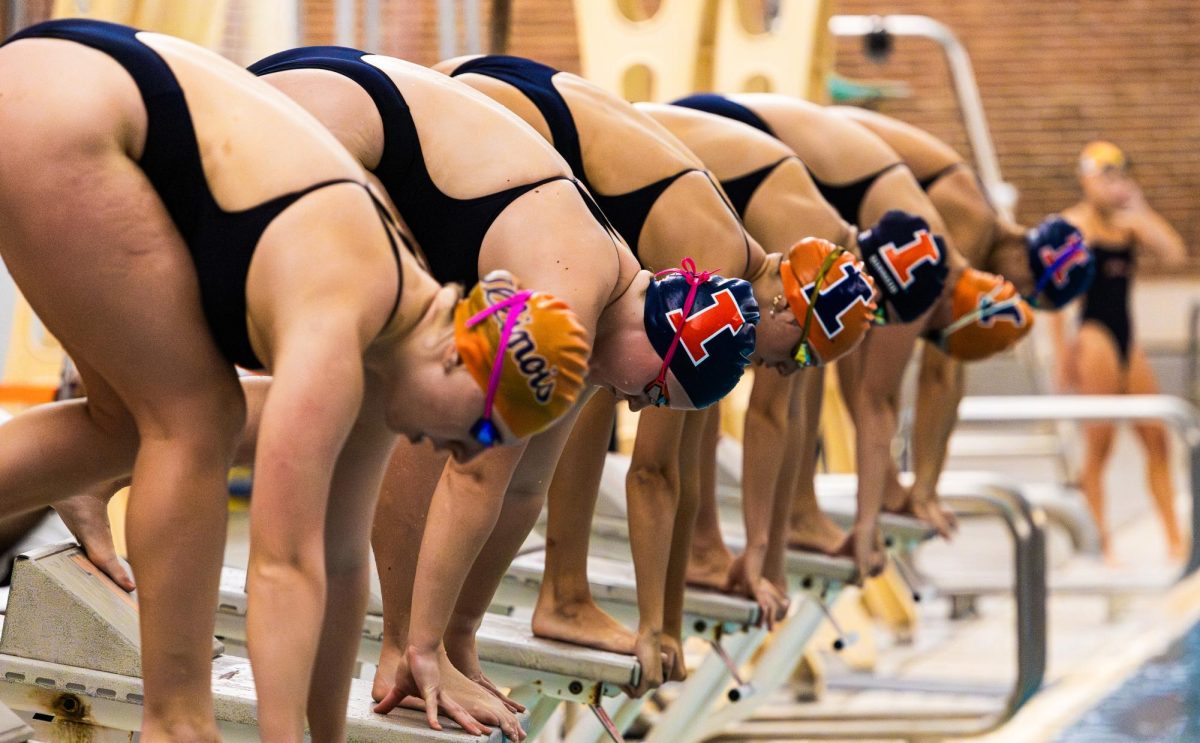
Our grade point average for sports is the highest it’s ever been, so it’s truly creating an atmosphere of student athletes who are going to represent the University and play very, very hard when they’re wearing the orange and blue.
They’re also leaders in the classroom. They’re learning. They’re going to take these things out to the real world. So I thought it was super important to build the greatest house for the greatest university.
DI: You once said you would never donate to sports at the University. What changed?
Gies: When I first met Josh Whitman nine years ago — when he took the helm as athletic director — I told him I would never give a donation to the athletic department.
What was great about Josh is the type of human he is. He still spent a lot of time with me, and it wasn’t to get a donation. We just became good friends. I really respect the team he’s building, and when I realized how important that front door of the University was, I said, “Josh, let’s do something together.”
I wanted to support Josh’s team because you invest in people, not things.
What I realized with Josh was that there’s a huge risk that a corporate donation could come in and put their name on the stadium. And it’s not just a stadium; it’s a memorial. You know, of the 200 columns around the stadium, 189 of them have fallen soldiers’ names on them.
We have to be super thoughtful about what we do at the University, and by putting my father’s name on it, who was a veteran, we could make sure that nobody’s ever going to take the name “Memorial Stadium” off.
You notice even the font and the color type is done in such a way so you still see Memorial Stadium first, which I think was very important because it is the memorial first.
DI: Can you tell me a bit about your father?
Gies: My dad grew up in western Nebraska, and they didn’t have running water. The actual stove was also a furnace; it heated the house they were in. So he didn’t grow up with anything. He was the first to go to college, and when he graduated, he volunteered for the Vietnam War.
He was a great patriot, just a great human being. He was a drill sergeant, so he trained other soldiers. He just always espoused to me the ethos of patriotism and freedom and how important it is.
He took me to every game I ever went to growing up, and then, when I was in school, he came to every single game. We’d always go to dinner afterward. He was a big Illini fan and just a great human being.
DI: Could you tell me a little bit about any specific initiatives or upgrades that your donation is specifically intended to fund?
Gies: I’ve given Josh and his team full carte blanche to do whatever they want, so all those decisions will be made by them. They don’t have to check off with me; they don’t have to ask me. Again, you invest in people, not things, and I trust their judgment more than mine. My goal wasn’t to make the decisions; it was to invest in the people.
DI: There’s been some pushback to you renaming the stadium. The stadium was created with the intent to honor University students who lost their lives in World War I. I’m curious what your take is on that?
Gies: Well, I get it. It makes perfect sense to me. It’s a memorial. What’s unfortunately happening across universities and college athletics is that names are being thrown everywhere, right? Things are being sponsored; businesses are putting names on stadiums, buildings and so forth.
Even with the (Gies) College of Business, my goal was never to put my name on it, but what you find is if you actually step forward and put your name on something and put that stamp of approval, you find that more dollars follow.
That was not something that I thought would happen, but I was told it would. And the empirical data shows that.
But I think the pushback is good because it reminds everyone that it is a memorial, and I don’t know that a lot of people on campus really realize that.
So, when we had the commemoration of the stadium and everything, I talked about the soldiers. I talked about the history and the 189 columns.
I reminded the football team of that, too. I said, “You’re not just playing for yourself. You’re not just playing for the players on your right and left. You’re playing for all these fallen soldiers and everybody who’s ever worn the uniform.” And that really resonated with them. I mean, you could hear a pin drop when I said it to them.
I think, at the end of the day, it’s scary to think that most of the names on those pillars were people the age of college students. It’s scary. So we have to remember that in the memorial. It’s super important.
DI: Have you been to any games yet with the new change?
Gies: I was at the Western Michigan game. For the Homecoming game, I was at a wedding — and I’ll get in trouble for this — but literally, when they kicked the final field goal, there was a phone between an Illini and me.
We had seen a 14-point lead going into the fourth quarter, and we should not be doing this at a wedding, but it’s honest. We’re both sitting there, and there’s a bunch of Illini behind us, too, and they’re peering over.
I was so bummed to miss the game, but there was something special sitting there with the Illini. That’s the community that sports bring. That’s the attachment. That’s what brings us back to campus and gives us the memories, right?
DI: How does it feel to be such a prominent benefactor for the University?
Gies: I mean, I’m very proud of what everyone is doing, but the Gies name is not my name. The people at the University are defining what it means by the impact they’re going to have on the world.
So I think what I’m so proud of is the way students, the faculty and the administration are defining what that means.
We all want purposeful leaders who are going to do good for the world, and that that’s the highest calling we can have. I’m really proud of what they’re doing.