**Matias & Gutierrez’s interviews were translated from Spanish.**
Although he was born 2,000 miles away in Huehuetenango, Guatemala, Ruben Matias, a local construction worker, calls Champaign-Urbana the right place to live in.
A C-U resident for over 12 years, he’s proud to live and work in the place he now calls home.
Matias is part of the Q’anjob’al-speaking Guatemalan diaspora in C-U, as well as part of the large Hispanic/Latino community making up the national construction workforce.
Get The Daily Illini in your inbox!
“The work is good; I don’t complain,” Matias said. “I worked in roofing before, but with this heat, (it’s hard). Sometimes I work because of need, but I say, ‘Well, it doesn’t matter if I earn more (or) I earn less when one is blessed by God.’”
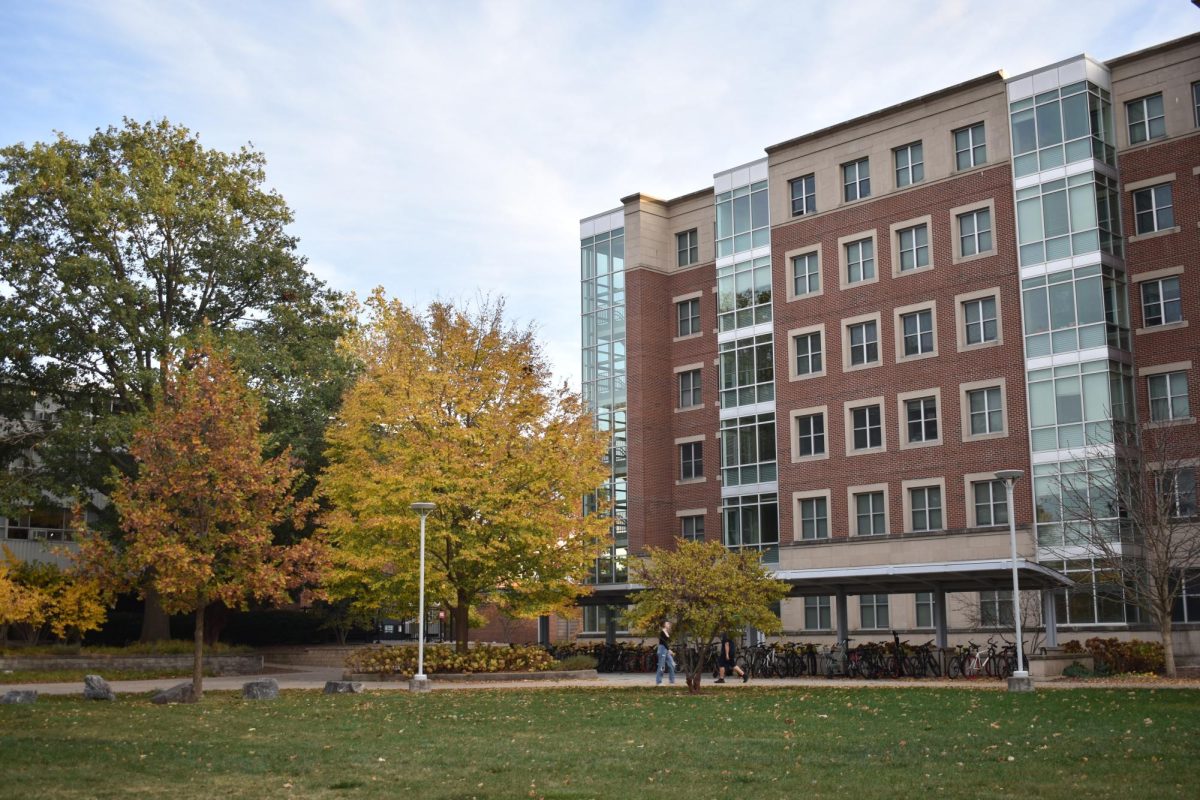
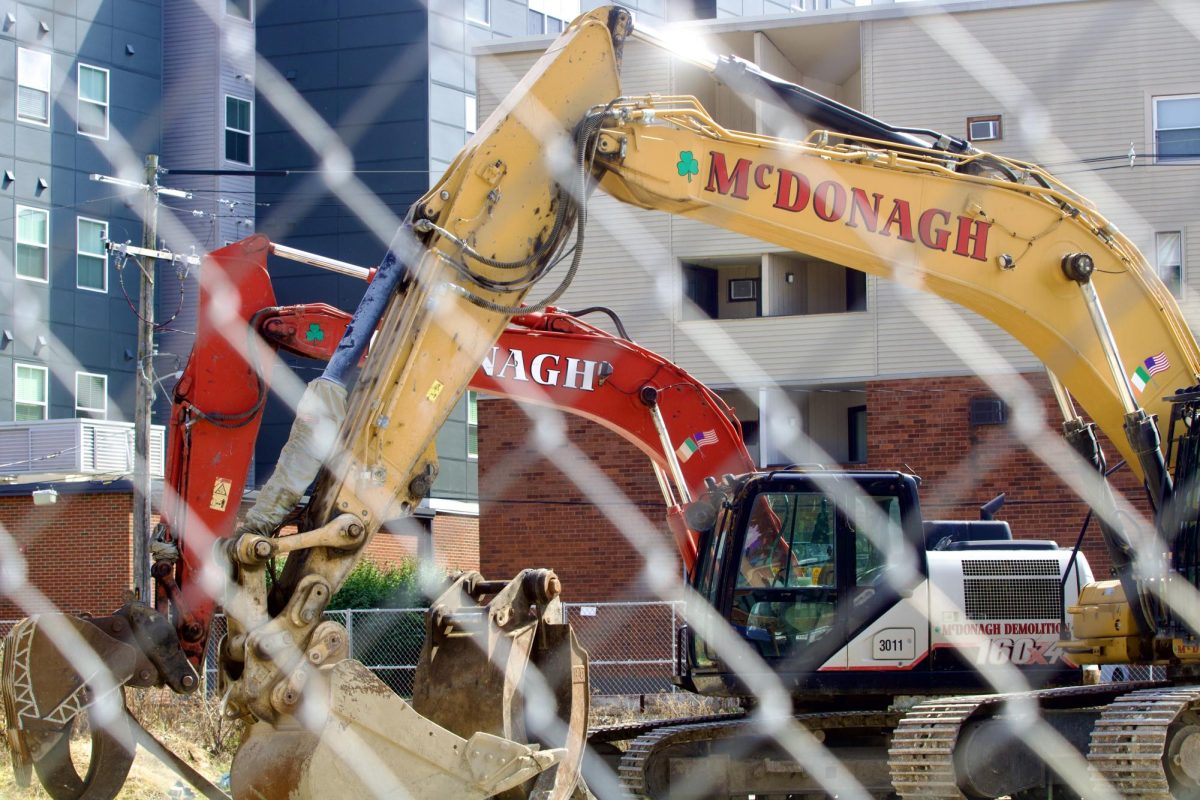
With new high-rise apartments seemingly sprouting out of rubble and academic buildings being inaugurated annually, the role of workers like Matias becomes crucial.
Gabriel Gutierrez, an off-campus construction worker, shared his story as a former carpenter who immigrated from Ixtapaluca, Mexico.
“When I came here, I just asked if they needed a chalán (worker), because we all start from the bottom,” Gutierrez said. “If you don’t work, you can’t get ahead here in this country.”
In the latest Workforce Availability report from the Illinois Department of Employment Security, Hispanic/Latino individuals accounted for 7.4% of the labor force in Champaign County.
Yet, these numbers don’t reflect the reality of local Latino workers. This data comes from the American Community Service Survey, which selects a sample of only 3.5 million households across the country.
Moreover, as Gutierrez noted, some local workers don’t possess the proper documentation to be considered for surveys like this or even be hired by the University.
On campus alone, the Facilities & Services department worked on more than 50 construction projects over the summer. While campus activities were on pause, workers like Matias and Gutierrez were fixing roofs, painting walls and drilling screws.
“In the site where I work, we’re making drywall and (still) installing it,” Gutierrez said. “The part I like the most is screwing the sheets, and what I don’t like is working at heights, of course.”
But Latinos don’t contribute solely through manual labor. In fact, some are even involved in the construction industry as undergraduates at the University.
This is the case of Leslie Arellano-Gutierrez, senior in ACES and part of the founding executive board of the Associated General Contractors of America chapter at Illinois.
“My dad has always had a habit of buying and restoring houses,” Arellano-Gutierrez said. “I would go with him and see how they would tear down the inside of a building and rebuild the whole layout. Even in high school, I was involved in my school CTE (Career and Technical Education) program. So I’ve been around aspects of construction.”
For her, student organizations like AGC are essential in propelling the role of young Latinos in this field.
“I feel proud to see our community involved in this construction industry,” Arellano-Gutierrez said. “There is also a lot more of us wanting higher positions in the industry as well. We are putting in the work — that being in the field or getting higher education to strive for that success.”
Workers like Matias are strong supporters of students like Arellano-Gutierrez, who are redefining the narrative of Latinos in construction.
“We don’t all have that opportunity, so I admire them, and I’m glad they’re studying, because they have a life ahead of them,” Matias said. “I know it’s difficult, but it’s not impossible. My dream is for my kids to achieve a good education, so that in the future, they don’t suffer — that is, they can have a job and can earn more, for example, like (those who) are studying.”
So while students walk around campus cursing at the machinery blocking their way to class, they could instead think about not just the hands and legs but the lives behind their new apartment or latest on-campus study spot.
Think of Matias, who does “a little bit of everything” to support his four children, who he dreams will become Illini one day.
Or think of Gutierrez, who, after 27 years of tirelessly helping build C-U, still fears working at heights.
Even think of Arellano-Gutierrez, who, with a team and resources at the University, is striving to expand the role of her community in this industry.
Most importantly, perhaps, think about all your neighbors who were born far from you and left their home to find work — work that improves the way you live.
“Well, I came with the purpose of helping my family,” Gutierrez said. “Because according to some, there’s just a better future here.”