Tiny proteins called antibodies line every person’s immune system, making them crucial to vaccine and therapeutic developments. However, there hasn’t been a cost-effective way to study multiple types of antibodies simultaneously, which has limited researchers’ understanding of the disease-fighting potential of these molecules.
Enter oPool+, a technique University scientists created that allows for the mass production of these proteins. Under this method, researchers can develop and test thousands of antibodies at once, bypassing old protocols that only allowed for one or a couple to be tested at a time.
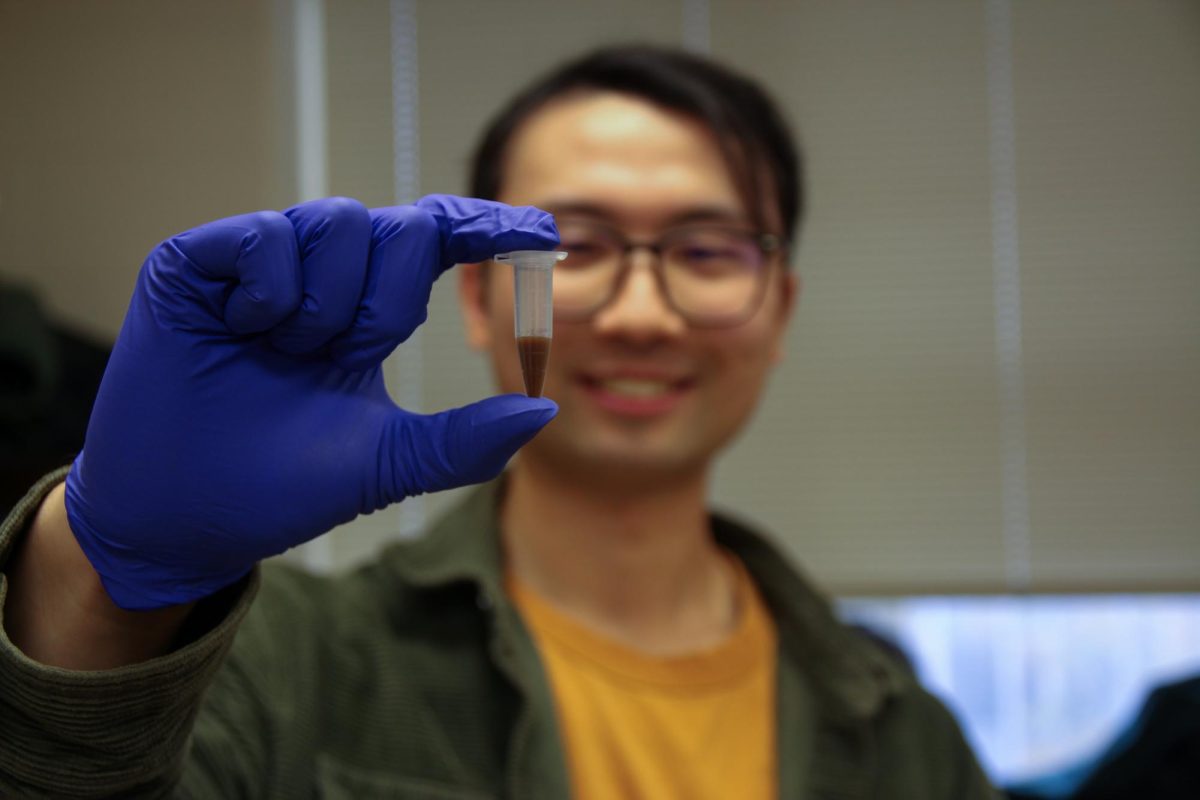
“We simply have way too many antibodies that the current approach we use is perhaps a bit too slow for us to fully understand how exactly these molecules work,” said Owen Ouyang, graduate student studying biochemistry and first author of the study.
Antibody discovery is crucial for testing immune responses, but there hasn’t been a cheap, efficient way to create multiple identical proteins that scientists can test. Now, the oPool+ display allows researchers to do exactly that.
“We wanted to really unlock the potential behind these molecules,” Ouyang said. “And perhaps use all of these lessons we learned for our advantage in the combat against infectious diseases and cancer, so on and so forth.”
Get The Daily Illini in your inbox!
Nicholas Wu, professor in LAS and principal investigator of the study, noted that this project, from idea conception to paper publication, was a two-year-long endeavor — the first 18 months of which were unpromising.
“I asked Owen, ‘OK, maybe we should think about having another project, since this seems to be a bit too difficult,’” Wu said.
However, noting Ouyang’s persistence, Wu said once the results started working, everything else was smooth sailing. The wrap-up took roughly six to eight months, and now the paper detailing the technique is published in Science Translational Medicine.
Wu’s support was particularly notable to the success of the display, Ouyang said, especially after over a year with no promising results.
“Nicholas really greenlighted (and) was fully supportive on a lot of things,” Ouyang said. “I think, because of the support that Nicholas gave us, we (were) able to persevere and really make things happen.”
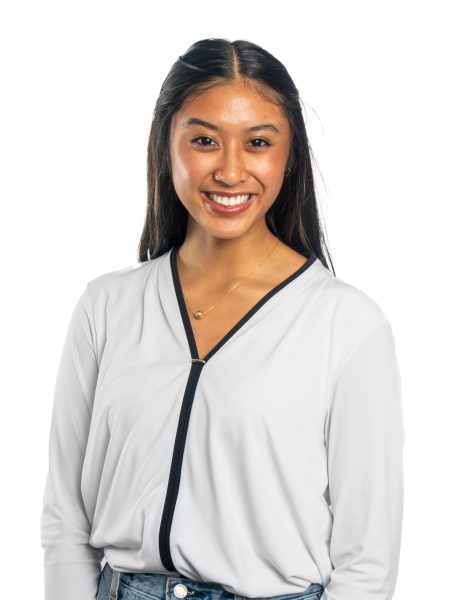
Meixuan Tong, junior in LAS, joined the lab in Spring 2024. She joined Ouyang on the project after the success of the display and helped validate the experimental results.
“It was actually really satisfying, because it was, like, actually everything aligns with the screening,” Tong said.
oPool+ is named for the biochemical processes that created the antibodies in the display. Oligopol DNA synthesis, the specific technique they used, generated a pool of genomic material that the display uses.
With the potential new antibodies from oPool+’s experimental platform, Wu hopes different areas of research can come together to create a large data set that is widely available.
Wu wishes to integrate AI into the oPool+ display by creating antibody predictions through simulations and using oPool+ to develop the predicted antibodies. The experimental results then feed back into the computer database for an expanded dataset it can pull from, leading to a more comprehensive understanding of the proteins.
“The key to having a good AI model is to have a lot of data,” Wu said. “So we really need some high-throughput way (and) some fast, easy, cheap and scalable methods to generate data.”
Because of the study’s recent publication, Wu said the implications of the technique aren’t quite yet known, but he has received emails from both the private and public sectors regarding the work.
“We do believe that it will make an impact,” Wu said.