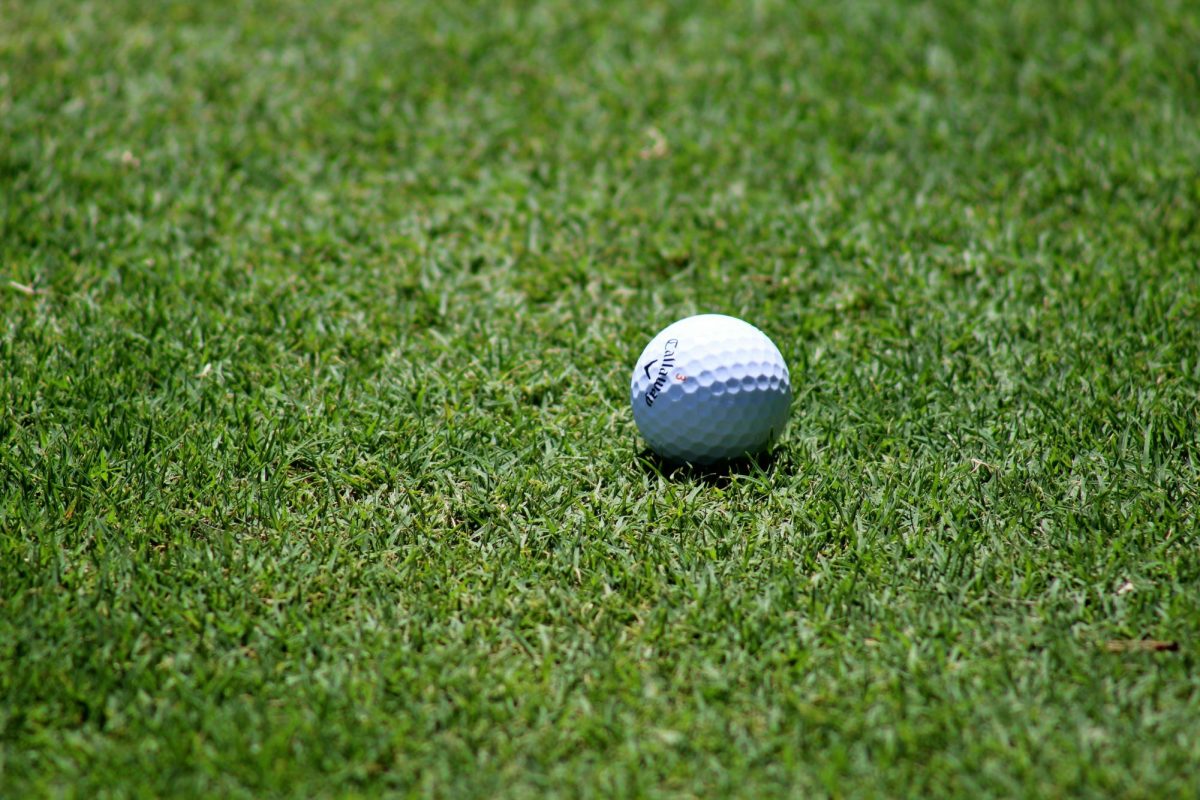
Whether you’re stepping out onto the first tee at Atkins Golf Club or hacking out an up-and-down on the back nine, there’s one club that influences every single shot: The golf ball. And not every golf ball is the same. To the naked eye, they might not look all that different from that $50 box of premium golf balls and the sale dozen you grabbed at the last minute at the pro shop. But to good players, and to serious players, the difference is anything but subtle. Premium golf balls are precision-crafted instruments. They’re an art and a science, really, and they can have a real, measurable effect on your game.
Let’s get into the guts of what makes premium golf balls worth the hype (and sometimes, the price). And while we’re at it, let’s talk about how to play smarter by getting those same top-tier balls, without burning through your lunch money, by investing in used golf balls through trusted sources like Lost Golf Balls.
Layers upon layers: The engineered core of performance
At the heart of an expensive golf ball is its multi-layered construction. Most cheap balls use a straightforward two-piece design – basically a solid rubber core wrapped in a hard outer layer. They’re meant to be durable and fly straight, sure, but they give up some feel, spin, and control – especially on and near the greens.
Good golf balls, on the other hand, typically have three, four, even five layers. And each of them does a different job. The core is where you place most of the energy – it’s for compression and velocity. That’s where you get your distance. The inner and mantle layers help with energy transfer, spin separation, and feel. And the cover, usually a high-end urethane, is where the short-game sorcery happens. Urethane covers are softer than the surlyn or ionomer you’ll find on lower-priced balls, so they lodge in the grooves of your wedge more. Increased grip equals increased spin, increased control, and increased stopping power. That’s the difference between a chip that checks up against the pin, and one that rockets ten feet past.
Dimple design: Aerodynamics you can feel
You’ve probably never really thought much about dimples. That’s okay. But there’s a bit of aerodynamic wizardry you won’t believe inside those little valleys. Audiophile golf ball makers spend millions on wind tunnel testing and computer modeling to dial in the perfect dimple design. Their goal? Ensure maximum lift, minimum drag, and uniform flight in various conditions.
Get The Daily Illini in your inbox!
Dimples determine how a ball behaves in the air. A finely tuned pattern will produce a more penetrating trajectory and maintain stability in crosswinds – something you’ll really appreciate when trying to hold a tight fairway on a windy day at Urbana. Some use hexagonal dimples, some stick with traditional round ones, and some get creative in their asymmetry of depth and dimension along the face. These aren’t gimmicks, they’re intentional designs to fine-tune launch conditions and enable you to maximize carry without sacrificing control.
Material matters: Consistency is king
Feel. That’s all that every great golfer ever talks about. And feel is created through consistency. Premium golf balls are manufactured under stricter tolerances than their lower-tier cousins. That means tighter control over compression ratings, cover thickness, core symmetry, and weight distribution. Every ball in the box performs like its twin. When you’re making a full swing with a 7-iron or dialing in a 40-yard pitch, that consistency means everything.
The materials themselves also wear differently. Urethane caps scuff less than ever, and they hold up surprisingly well even after a few sand swings or cart paths. More importantly, they react predictably off the clubface. When you’re competing on a school course like Atkins, whose manicured fairways and fast greens require precision and control, that predictability is a critical advantage.
Performance you can trust – without paying the premium
And now, here’s the elephant in the room: Pricey golf balls don’t exactly come cheaply. A dozen Titleist Pro V1s or TaylorMade TP5s will run you $50 or more. That’s not pocket change for most college kids, especially if you’re out on the course a lot and sometimes tossing a few balls into the cornfields (no judgment – we’ve all been there).
That’s where Lost Golf Balls comes in. They handle high-end, used golf balls – most of which are recovered from courses, professionally cleaned, and refurbished golf balls, which are rated for quality. You get the same high-end play at a fraction of the cost with such used golf balls for sale. And we’re not talking beat-up and cracked range balls. These are recycled golf balls that still meet muster for serious golfers, without the brand-new-from-the-box price tag. For students who don’t want to break the bank playing some great golf, it’s a no-brainer. It’s smart, green, and honestly, it just makes sense. You wouldn’t buy a new car just to drive yourself to school. So why insist on brand-new balls every round of golf when you can get top performance at a lower cost?
The takeaway
High-performance golf balls aren’t an advertising gimmick – they’re tools of precision. From their multi-layered centers to their aerodynamic dimple patterns, they’re crafted in every way to help you play better golf. More distance. Better control. Softer touch. More spin where you need it, less where you don’t.
If you’re a serious player, or even just someone looking to elevate their game, it’s worth investing in refurbished golf balls that can keep up. And thanks to platforms like Lost Golf Balls, where you can find used golf balls for sale, that investment doesn’t have to come at a premium, as the price for recycled golf balls is doable.