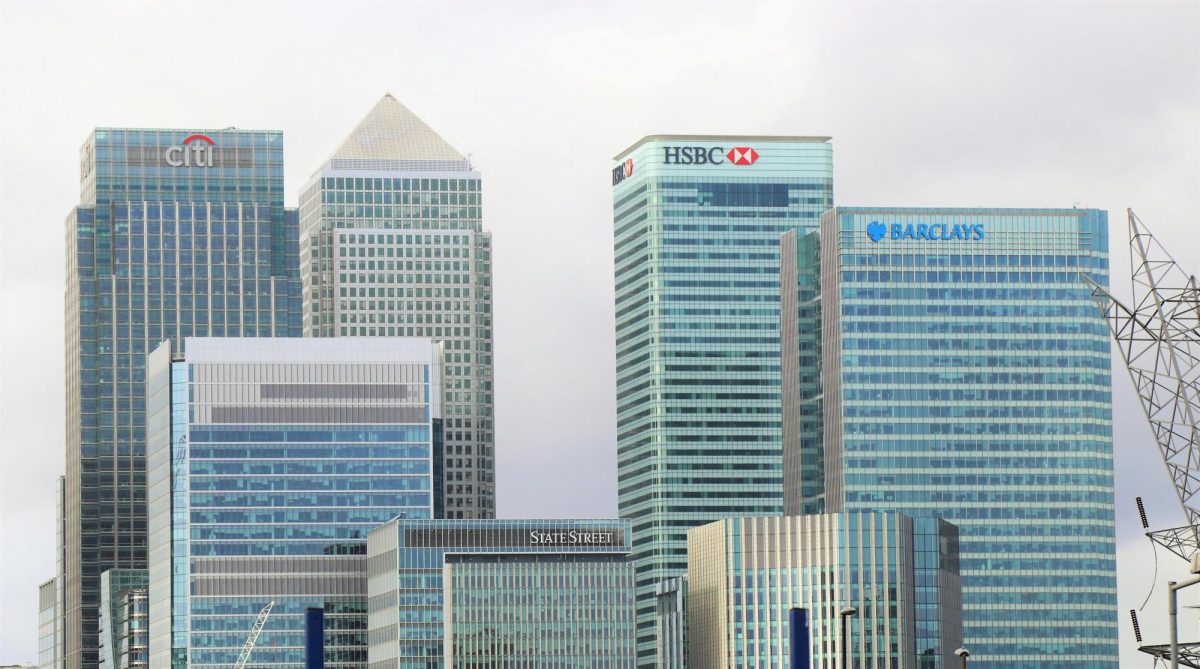
The third stage of the connection between conventional finance and Bitcoin has already occurred, albeit in a more significant and less publicized manner. The entry of global banks into crypto is being done in a much more measured and deliberate way: there have been no big, spectacular headlines of institutional entries, as seen in past years. Silent brand building is taking over audacious recommendations. In the background, banks in Europe, North America and Asia are buying Bitcoin, working on digital asset custody solutions and pilot programs with high-net-worth customers.
This gradual and unspoken buildup indicates a shift in tactics. Bitcoin is no longer considered a speculative asset, but it is more likely a long-term hedge, a digital commodity, and even a possible settlement layer. These financial giants are not screaming it from the rooftops in their boardrooms, but their purses speak. To track such trends as they occur, many market traders use a trusted bitcoin price tracker to see movement and volume that may represent institutional buying pressure.
From Public Skepticism to Private Accumulation
Just a few years ago, major banks often viewed Bitcoin as a suspicious innovation or an unregulated, dark currency. However, now that the asset has matured, supported by regulatory infrastructures, exchange-traded funds (ETFs) and increased retail use, the story is now modified. The point of no return was the time when Bitcoin demonstrated its high resilience after navigating various market cycles and geopolitical crises, including increased inflation and turbulence in fiat currencies across different economies.
Today, the banks have been expanding their digital asset units instead of publishing harsh reports or warnings to the world. The trading teams that previously concentrated on foreign exchange and commodities are increasingly incorporating Bitcoin in the strategic asset allocation models. There are custody services, tokenized investment products and lending protocols with Bitcoin as collateral, piloted or implemented with minimal marketing, but high internal resource investment.
This change is done secretly. Banks and businesses are aware of the reputational risks and the evolving regulatory environment. However, they can calculate the cost of early positioning in a landscape where Bitcoin is transitioning into a normalized asset segment, rather than being an outlier.
Get The Daily Illini in your inbox!
Regulatory Green Lights Pave the Way
Regulatory clarity is one of the primary motivations behind this change. With the increasing structure of rules surrounding digital assets, and as large jurisdictions such as the United States, the European Union, and Singapore offer them, the legal gray area that previously prevented traditional finance is starting to lose its significance. By 2025, Bitcoin will be more widely accepted than ever before by an increasing number of legal frameworks, not as an experimental digital currency, but as a legitimate taxable asset with established custody and compliance channels.
This trend has been further intensified by the authorization of the Bitcoin spot ETFs in the U.S and other equivalents in both the UK and Japan. These financial products have provided an on-ramp, in a regulated environment, for institutional players to take exposure without having to acquire and maintain private keys or participate in native blockchain protocols. However, even beyond ETFs, on-chain data indicates that numerous banks are making direct purchases in on-chain and over-the-counter desks, as well as off-market deals, custodied through both licensed third parties and internal ownership capabilities.
This is because the increased trust in the tools and regulations in place around Bitcoin has made accrual of the asset a worthy risk to take, more so with the current fluidity of the macroeconomic crisis, which induced the demand to seek assets with defined scarcity and liquidity across the world.
Hedging Against Currency Devaluation and Sovereign Risk
The world is also worried about currency debasement, which has been another silent driver in institutional accumulation of bitcoins. As governments continue to implement significant fiscal policies and quantitative easing measures to counter economic pressures, banks are reassessing their exposure levels to fiat-based assets. The demand for diversification strategies outside the bonds and precious metals has been underscored by the inflationary pressures, especially in emerging markets.
A strong alternative is Bitcoin, which has a fixed supply of 21 million algorithmically capped coins. International banks can utilize Bitcoin as a hedge against potential losses in their local currency resulting from inflation, as well as sovereign risks and defaults. In that regard, Bitcoin is increasingly seen as more of a decentralized modern gold than a tech stock, being programmable, transportable, and verifiably scarce.
The ability to play the role of a strategic macro hedge has, in turn, made Bitcoin a more appealing instrument to both portfolio managers and risk officers in traditional financial institutions. The reasoning is straightforward: there is still gold, but Bitcoin can be as scarce as it is, with more liquidity and the advantage of being a digital native.
Serving a New Generation of Wealth
Besides macroeconomic factors, global Banks are also reacting to a generational change in the management of wealth. Smaller investors, including those from the younger generation who have not invested in equities but have chosen crypto as their first investment, are also pressuring fund managers to allocate a portion of their portfolios to Bitcoin and other digital assets. The investment advisory and management offered by family offices and high-net-worth individuals can no longer be satisfied with the traditional forms of investment advice that dismiss the existence of crypto or marginalize the subject.
To stay competitive and retain such customers, banks have been compelled to adapt to changes. Investment products concerning Bitcoin are not only the things of the future, and they are needed now. Others are also setting up internal trading desks, as well as establishing Bitcoin-focused wealth services, to meet the eventual increasing demand among both institutional customers and the wealthy.
This trend is occurring as digital identity, tokenized finance, and blockchain interoperability are on the rise, facilitating the ease with which banks can incorporate Bitcoin into their existing account and reporting frameworks.
International banks realize that the impact of Bitcoin is not subject to diminish. The fundamentals of Bitcoin technology and the economics underlying price volatility have remained relatively resistant to change, even as the regulatory environment regarding Bitcoin has been subject to ongoing debate. As the world transitions towards more digitized ways of transferring value, including conditional finance and other decentralized networks, Bitcoin is one of the cornerstones of this transition.