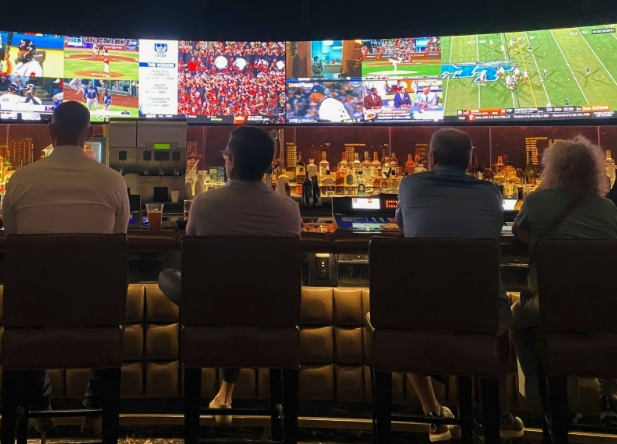
Illinois gamblers are preparing for a significant tax hike for making online bets as the state introduces a new transaction fee just in time for football season.
Though the new tax is intended to increase state revenues, its lofty rate risks disproportionately impacting recreational gamblers and may unintentionally push bettors into the arms of operators outside the state.
Tax Increase Hits Recreational Bettors
From September 1, every online sports bet placed by Illinois residents will be charged a $0.50 fee, double the original per-bet fee of $0.25 for the first 20 million bets in the state.
The dramatic hike comes as the state budget switched to raising revenue amid ongoing fiscal pressure.
Though high-volume bettors account for a significant share of revenue, it is low-volume or recreational players – those placing smaller and less regular bets – who will ultimately bear the largest brunt, with each $5 or $10 bet now carrying a 10% surcharge.
Potential Shift to Offshore Betting
As the burden on regulated platforms grows, offshore sports betting websites may gain more popularity. Some bettors, tempted by the chance to avoid the new levy, may choose to experiment with some of the best offshore sportsbooks for US players that promise lower or no transaction costs, faster payouts, and bonus incentives. Most offshore sites offer top-of-the-line amenities, such as cryptocurrency deposits and foreign live coverage of games, that licensed sites have not yet embraced. These present options to gamers who are bold enough to try new ways of relishing their favorite sports.
Economic Stakes for Illinois
Heavy-hitters Fenway Group’s FanDuel and DraftKings, which together commanded almost 75% of Illinois’s online gambling market share during the last year, both indicated they will simply pass the fee on to consumers.
The executives initially ridiculed the move as a rebuke to casual gamblers and predicted it could drive bettors into the offshore bookmakers’ hands. But confronted by state budget realities, both sites have opted instead to add the transaction fee onto their pricing schemes.
The shift is going to curb sporadic gamblers’ occasional enthusiasm that fuels weekend and in-play betting. To a gambler who makes ten $10 wagers throughout a weekend, the extra charges will amount to $5 – money most sporadic users may not be willing to part with compared to their hardened counterparts.
Balancing Revenue Goals
The state has collected a lot of revenue from sports betting since it was legalized back in 2020. There have been over 1.3 billion individual wagers, amounting to over $48 billion in bets.
FanDuel made approximately $491 million in net revenue within the last year, followed closely by DraftKings with $418 million; the two combined paid out over $200 million in state tax.
While impressive, Illinois has increasing budget shortfalls, so lawmakers are looking for alternative streams of revenue in the increasing online gaming market.
Its advocates believe that the new tax enables the state to spend on infrastructure, education, and problem-gambling projects. Illinois has committed a portion of sports-betting tax money for use on public service and responsible gaming initiatives, including treatment phone lines and public information campaigns.
But the move has those in opposition worried about the impact of funneling amateur wagering players into the underground markets, as offshore casinos do not contribute to local community projects.
AI-enhanced mobile sports betting apps have surged in popularity, particularly among tech-savvy users who prefer gambling on the go. Whether the new tax will have an impact on this demographic, however, is still uncertain.
Historical Setting and Pattern of Legislation
It’s not the first time Illinois has increased the tax rate on sports betting. Illinois had chosen a step-by-step tiered taxing of the operators, up to 40% depending on their revenue in 2024.
The new per-wager tax is on top of already existing tax systems, providing one of the nation’s highest combined tax rates. New York and New Jersey have low per-wager tax rates, but make up for that with the increased licensing fees or revenue tax rates.
Only Time Will Tell
With football in season, the real effect of the new Illinois transaction fee will become apparent. If huge segments of the recreational betting public flee to offshore books, the state’s take may come in low and prompt legislators to revisit the policy.
But if the ops and regulators are able to make the licensed sites popular and safe, the fee may bring in the money required without driving out the heart of the recreational players.
One thing is certain: the economics of sports wagering are founded on the delicate balance between availability and fiscal discipline. Illinois’ foray into increased-per-wager surcharges will be a test case for other states considering the same.