Online play doesn’t just change where we gamble, but it’s still something a little more unique. It changes how we react to the whole process. Emotions move faster online, and they settle differently, too. Wins feel closer, and losses feel more personal, so our reactions to them are deeper. Plus, control stops being a fixed skill and turns into something that shifts all the time, and we usually don’t notice it.
First Emotional Adjustments at Best Sites
The first thing it does is calm the player down when a site is built well. A clean layout removes small frictions that usually trigger stress. No hunting for buttons. No feeling of being rushed. Platforms often listed on Casinolab work this way for a reason. The brain reads smooth navigation as safety, and that lowers alertness. Plus, emotional spikes soften before they even form when alertness drops.
Fast access plays a quiet role here. When login, deposits, and game loading happen instantly, our expectations usually shift. Gamblers stop bracing themselves for errors. That reduces tension, but it also speeds up emotional commitment. Early sessions become the reference point. Players assume they can manage themselves if the first minutes feel controlled and predictable. That assumption sticks. It shapes how they react later, even when pressure increases.
Physical and Digital Emotional Cues
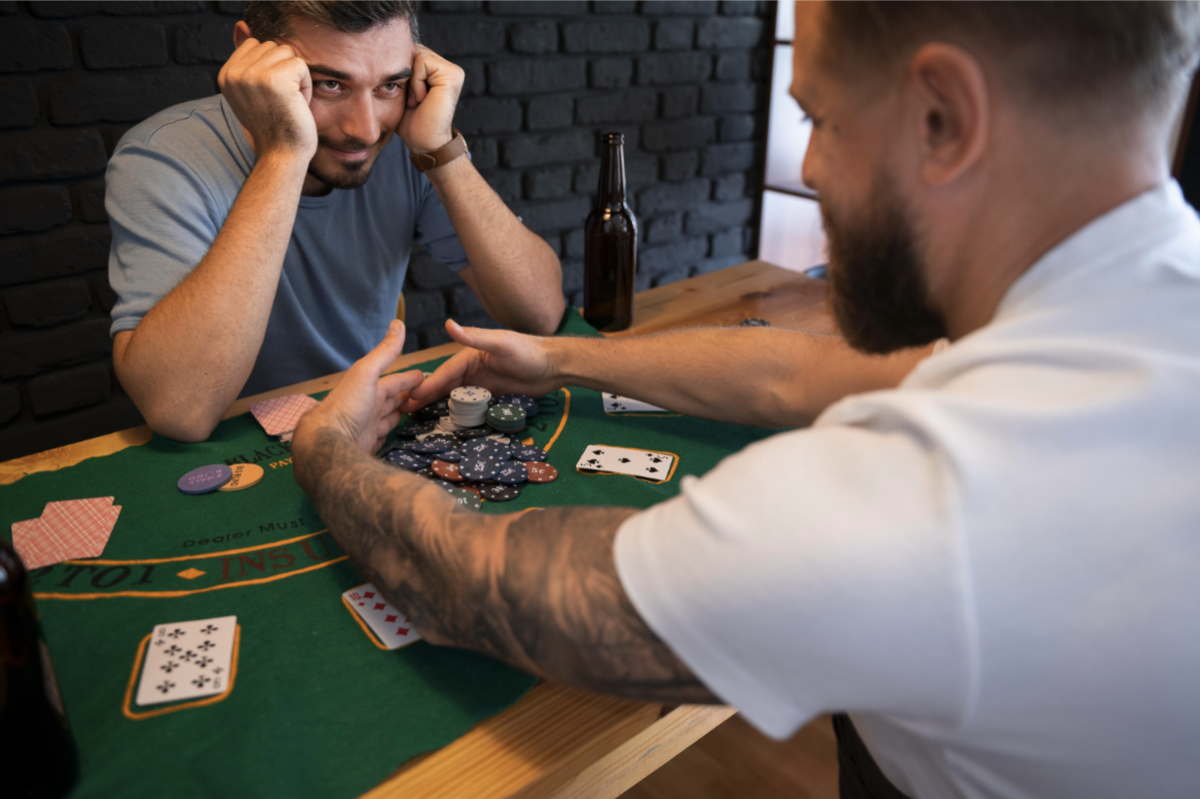
Online gambling strips away the social layer first. No dealer will watch your session, and no other players will react to it. No small signals that usually slow you down. In a physical space, faces create pressure. They remind you that others exist and that your actions are visible. Online, that mirror disappears. Without it, emotions stop leaking outward. They turn inward. Excitement and frustration still happen, but now they sit quietly. That silence makes them harder to notice in time.
Control has to come from inside because nothing external pushes back. There is no pause enforced by the room with an awkward glance. And you can finally get some rest from the table rhythm. The player becomes their own regulator. That shift changes how limits are formed and broken:
Get The Daily Illini in your inbox!
- Decisions feel private, so they feel safer
- Reactions stay internal, so they last longer
- Stopping depends on awareness, not interruption
Emotional discipline stops being automatic when self-regulation replaces external control.
Speed Impacts Emotional Reactions
Speed compresses emotion. When rounds move fast, there is no space to reset. A win ends and the next decision appears instantly. A loss lands and is immediately followed by another chance. The nervous system doesn’t get recovery time. Instead of settling, it stacks reactions. Small wins feel sharper. Small losses sting more. Over time, the player stops fully processing either.
Quick outcomes also change behavior. Reflection takes time, and speed removes it. There is no pause to ask why something worked or failed. The hand moves before the thought finishes. Impatience slowly replaces evaluation. Decisions become reactions.
Wins and Emotional Surges
Online wins hit differently because they arrive without distance. There is no wait, no shuffle, no shared pause at the table. The result appears, the balance updates, and the brain gets confirmation in the same second. That compression sharpens the feeling. Excitement doesn’t build. It spikes. Instant feedback removes the buffer that usually softens emotional impact in physical play.
Because everything happens at once, emotional peaks arrive faster than players expect. The system rewards immediately and visibly, which trains the brain to react before it can level out:
- visual effects signal success before logic kicks in
- sound cues lock attention on the result
- balance changes turn emotion into perceived progress
These surges feel powerful, but they are brief. And because they come so fast, players often chase the feeling again before understanding what just triggered it.
Losses and Emotional Containment
Digital losses rarely cause a visible reaction. There is no table tension. No pause. No one sees the moment land. The loss appears, the balance drops, and the game keeps moving. That quiet makes the impact feel smaller than it is. But because nothing breaks the flow, the emotion doesn’t exit. It stays contained. The player continues while the feeling sinks in underneath.
Instead of releasing frustration, players often push it down. They don’t sigh. They don’t step away. They just click again. Suppressed reactions don’t disappear. They travel forward. Each new round carries a trace of the last one. Irritation becomes impatience. Disappointment turns into urgency. Control erodes not from the loss itself, but from the emotions it leaves unresolved.
Reduced Friction and Weaker Emotional Brakes
Online systems remove friction almost everywhere. No walking away from a table. No chips to stack. No physical pause between outcomes. Losses arrive quietly and slide past without ceremony. That silence makes them feel lighter in the moment, but heavier later. Because nothing forces a break, emotions don’t get released through action. They stay internal. The brake that normally slows behavior never fully engages.
When friction disappears, players manage reactions on their own, and most don’t notice when that starts to slip:
- losses register mentally, but not physically
- frustration gets muted instead of discharged
- the next round begins before emotion settles
Unresolved feelings don’t reset. They carry forward and tint decisions that follow. What feels like smooth flow is often just unchecked momentum, and momentum is a poor substitute for control.

Conclusion
Online play reshapes emotional control by removing pauses, pressure, and visible feedback, all at once. Interfaces calm the player, speed compresses reactions, and both wins and losses arrive without distance. That makes emotions feel sharper, but also harder to process. Without social cues or physical breaks, control shifts inward and becomes fragile. What looks like smooth, effortless play is often just emotion moving faster than awareness, and when awareness falls behind, discipline usually follows.