The notification pings with another alert: “Task overdue.” A red badge appears on your screen while the completion percentage drops, followed by yet another reminder flashing that you’re falling behind schedule.
Most productivity systems work on a simple idea: pressure gets results. Miss a deadline, face the consequences. Break your streak, start over. Productivity apps follow the same pattern—constant alerts, declining metrics, and reminders about unfinished tasks.
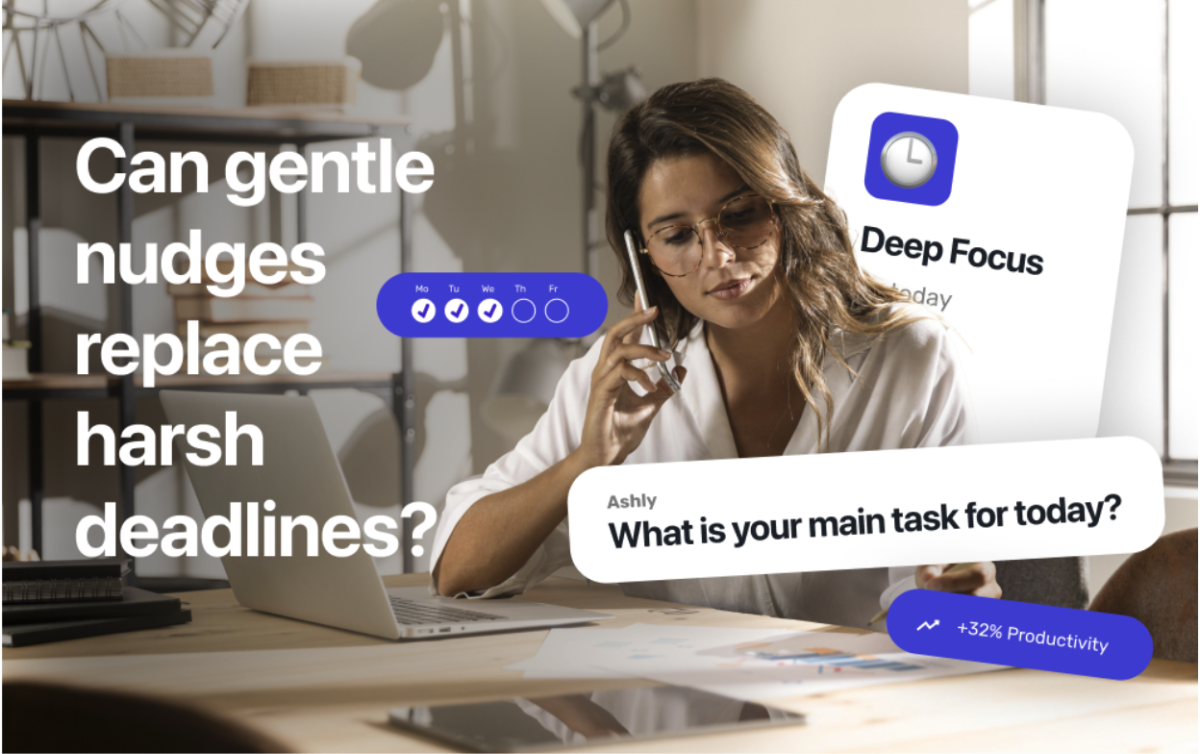
But what if pressure isn’t the solution? This Wisey review looks at whether gentler approaches work better than strict demands.
When pressure becomes counterproductive
You’ve probably noticed this pattern before:
Monday starts with a full task list. Everything feels urgent. Notifications come in throughout the day, but strangely, the more reminders you get, the less you accomplish. By Wednesday, you’re avoiding the app altogether because opening it feels overwhelming.
Get The Daily Illini in your inbox!
Deadline-driven systems assume everyone responds similarly to pressure—that tight timelines create momentum, and consequences drive improvement. This works well for some people. For others, it creates a total standstill. The real issue isn’t deadlines themselves, but how most tools implement them. Aggressive reminders, falling scores, and broken streaks all rely on shame as motivation. And that rarely works long-term.
There’s a common experience many users share: downloading an app with genuine enthusiasm, using it consistently for weeks, then missing a single day. That one missed day feels like a complete failure, and the app gets abandoned. The system couldn’t accommodate normal human inconsistency and the unpredictable nature of daily life. This Wisey review explores whether there’s a better way.
Wisey’s different approach
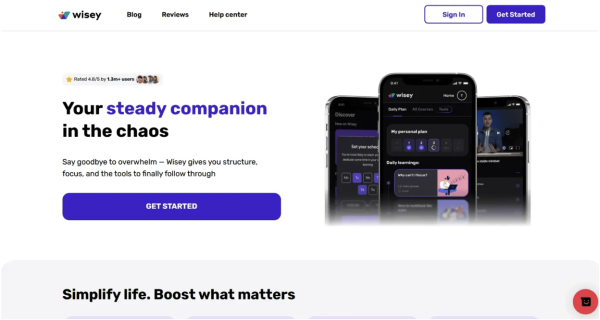
Wisey functions more like a supportive companion than a strict taskmaster. Traditional productivity apps trigger immediate stress responses that actually reduce productivity. This Wisey productivity tool takes a different path, with a method that feels closer to a patient friend who understands that life sometimes gets complicated.
The platform builds this supportive environment through several deliberate approaches. Habits suggest general frequency without rigid timing—”a few times this week” instead of demanding specific days and precise hours, letting you choose when based on your actual energy levels and changing circumstances.
Progress tracking highlights what actually happened rather than fixating on what didn’t. You see “You completed four sessions this week” instead of the guilt-inducing “You missed three days and are falling behind.”
When you skip planned activities, the system simply asks “What got in the way?” with genuine curiosity about obstacles rather than judgment about your supposed lack of discipline. This aspect of the Wisey app experience stands out as particularly refreshing.
Building routines without streak pressure
The habit tracker intentionally skips the psychological mechanics that dominate competing apps. There’s no “Don’t break the chain” messaging creating artificial pressure, no resetting progress to zero after a single missed day, and no badges awarded for perfect weeks that make anything less feel like failure.
Instead, you see your actual completion patterns displayed over time, revealing which days work consistently for you and which consistently prove difficult. This information helps you adjust your approach intelligently rather than forcing patterns that repeatedly fail despite your best efforts. This Wisey review finds this approach particularly effective for building sustainable routines.
Focus tools that bend
Deep Focus provides solid concentration support without piling on additional demands. The timer suggests standard work blocks but readily allows changes whenever needed. Feeling overwhelmed by a 25-minute session? Shorten it without penalty. Finding yourself in a genuine flow state? Extend it as long as productivity continues.
App Blocker prevents access to distracting applications during designated focus time, but it doesn’t shame you for attempted social media checks—it just quietly blocks them. You quickly realize just how automatic and unconscious the phone-checking habit had actually become.
Focus Sounds offers different audio environments suited for various working conditions. Testing confirmed their practical utility—café sounds help during quiet home office days, while rain audio works better in noisier shared spaces.
Importantly, none of these tools demands perfection or consistent usage. Skip focus sessions whenever genuinely needed without the platform guilting you about unused features or sending manipulative “we miss you” messages designed to create artificial obligation.
Wisey Review: What users actually say?
User feedback from TrustPilot reveals consistent patterns about how the platform’s philosophy plays out in practice. These Wisey app reviews consistently highlight the same themes.
Llani Kawenga Hare wrote about her interaction with the company: “You are very graceful and respectful in your dealings with customers. Much respect to you, and I really do appreciate your amazing, incredible offer to me for $5. Thank you so much. I’m in awe of Wisey.”
Jim Odeneal had technical issues but came away impressed: “Sh*t happens, especially with the evolving nature of Google, Microsoft, and the vagaries of users, providers, and personal devices. I have had plenty of computer sh*t happen lately, but the Wisey team was extremely prompt, courteous, and helpful. I finally got all my bonus material, and while they are not gigantic tomes, it seems that they are indeed quite focused and consistent with the 80/20 rule.”
The common thread across reviews centers on respect — for your time, your circumstances, your pace. Whether that translates to effective productivity support depends entirely on whether gentle structure helps or hinders your particular working style.
Final thoughts
This Wisey review concludes that the platform genuinely succeeds at what it deliberately aims to do while honestly acknowledging what it intentionally doesn’t. Wisey won’t replace demanding project management systems or magically create urgency where none naturally exists. Instead, it offers a sustainable foundation specifically designed for people who consistently find external pressure counterproductive to their actual functioning.
The integrated mood-habit connection provides valuable insights that simply aren’t available when using completely separate tools. The consistently non-judgmental approach to inevitable inconsistency directly addresses real problems that cause repeated productivity attempts to fail for many people.
Sometimes real effectiveness isn’t about pushing yourself harder—it’s about finally finding the right type of support that matches how you actually function.