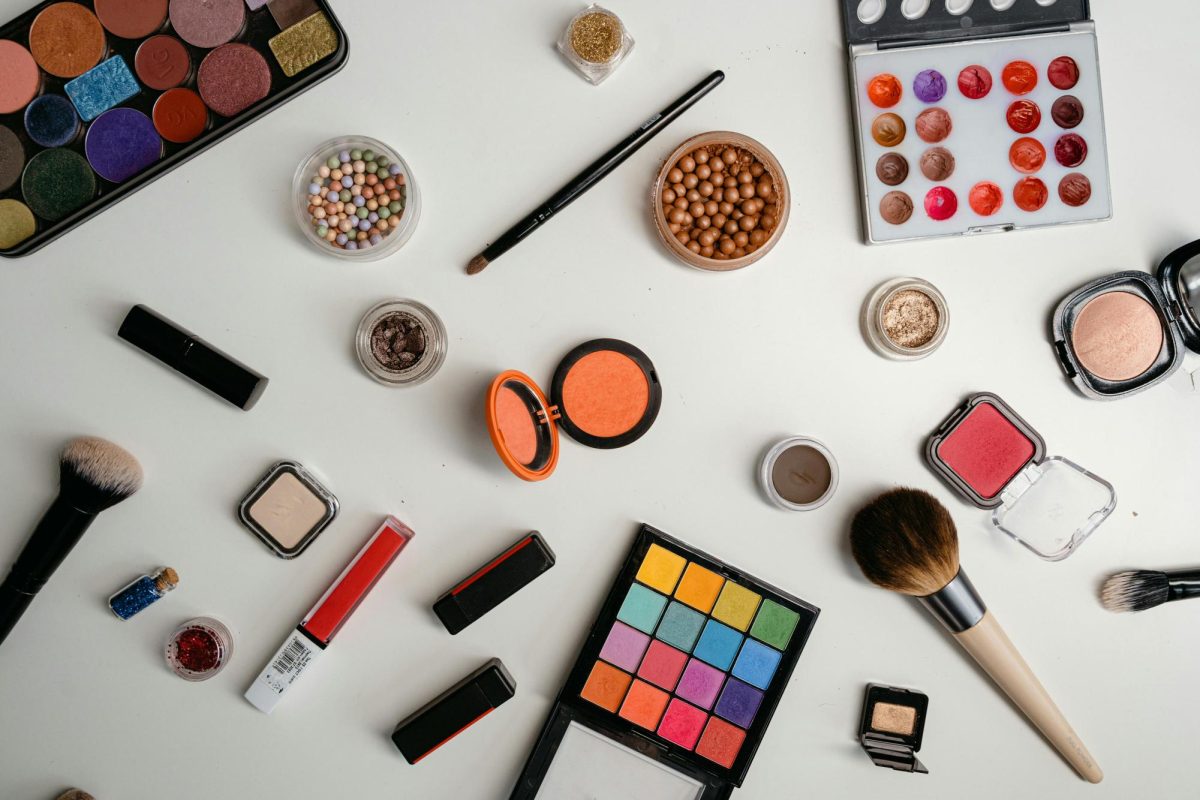
The beauty industry has long been dominated by household names. Independent brands have been carving out significant space on the shelves and online in recent years. Consumers today are seeking more than just recognizable logos; they are drawn to authenticity, innovation and values-driven brands. This shift has created fertile ground for indie beauty companies to thrive and challenged long-established giants. It’s reshaping the way beauty products are developed, marketed and consumed.
What sets these independent brands apart is their ability to connect directly with consumers. This creates a sense of community around their products. Social media, e-commerce and agile marketing strategies allow indie brands to experiment, respond quickly to trends and offer personalized experiences that larger companies struggle to match. As a result scaling indie beauty brands is no longer just a possibility; it’s a growing reality that is transforming the industry from the inside out.
A new era of beauty
For decades large corporations set the tone in the beauty world. Massive advertising budgets, widespread retail distribution and high-profile celebrity endorsements gave these companies a level of visibility that smaller players could scarcely match. Yet despite their size, these giants often struggle to adapt quickly to changing consumer expectations.
Independent beauty brands on the other hand, have the flexibility that allows them to respond to trends in real time. They can experiment with formulations, packaging and marketing strategies that might be too risky for a corporate powerhouse. The rise of social media has further leveled the playing field, enabling indie brands to reach consumers directly and foster highly engaged communities around their products.
The appeal of indie brands
Several factors contribute to the growing appeal of indie beauty brands. This helps them to stand out in a crowded market and attract consumers who are looking for more than just a product. They want authenticity, innovation and a brand that reflects their values:
Get The Daily Illini in your inbox!
- Authenticity and story: Many independent brands are founded by individuals with a personal mission or story, which resonates with consumers seeking a deeper connection with the products they use.
- Innovation: Indie companies are often first to market with novel ingredients, formulations or product types. This captures the attention of beauty enthusiasts looking for something new.
- Values-driven choices: From cruelty-free testing to sustainable packaging, indie brands frequently align with ethical and environmental values, which are increasingly important to today’s shoppers.
- Niche focus: While large brands target broad demographics, indie brands often cater to specific needs or communities and offers personalized experiences that feel tailored and thoughtful.
This combination of innovation, authenticity and purpose has created an environment where scaling indie beauty brands is not only possible but increasingly common.
Overcoming the challenges
Independent brands face challenges that industry giants rarely contend with. Limited budgets, smaller teams and less access to retail networks can create significant hurdles. However, many brands have found ways to overcome these obstacles through creative strategies:
- Direct-to-consumer sales: Selling online allows indie brands to bypass traditional retail barriers and connect directly with their audience. This approach also provides valuable data on customer behavior that can inform product development.
- Collaborations and partnerships: Working with influencers, other indie brands or even larger companies can increase visibility and credibility.
- Community engagement: Many successful indie brands cultivate a loyal following through social media, email newsletters and immersive brand experiences, turning customers into advocates.
The ability to respond quickly to feedback and trends gives indie brands an edge that large companies often lack. Speed and adaptability are crucial when trying to compete with established players in the market.
The role of technology in growth
Technology has played an important role in enabling indie brands to scale. Advanced analytics, e-commerce platforms and automation tools allow small teams to operate efficiently and make informed business decisions.
For example, supply chain management systems and cosmetics and beauty fulfillment services can help independent brands meet growing demand without sacrificing quality. By outsourcing aspects of production, storage and shipping, indie companies can focus on product development, marketing and customer engagement. These solutions make it possible to scale operations while maintaining the agility that defines indie success.
Social media analytics, digital marketing tools and customer relationship management software also enable indie brands to reach new audiences and refine campaigns with precision. Collectively these technologies level the playing field and allow small players to compete in a market once dominated by corporate giants.
Marketing in the indie era
Marketing is another area where indie brands often stand out from their large counterparts. Instead of relying solely on traditional advertising channels, indie brands leverage storytelling, influencer partnerships and community-driven campaigns. These strategies feel personal and authentic. This creates a sense of belonging among consumers.
Key marketing strategies for scaling indie beauty brands include:
- Content marketing: Sharing tutorials, behind-the-scenes looks and founder stories builds trust and credibility.
- User-generated content: Encouraging customers to post reviews and photos can amplify brand reach organically.
- Micro-influencers: Collaborating with niche influencers often provides higher engagement than mainstream celebrity endorsements.
- Experiential events: Pop-up shops, virtual launches and workshops offer immersive experiences that forge lasting customer connections.
This focus on authentic engagement sets indie brands apart and proves that creativity and narrative can rival traditional marketing budgets.
Retail strategy and distribution
While online sales are crucial, presence in physical retail remains an important factor for growth. Indie brands are finding innovative ways to secure shelf space and compete in traditional stores. Some partner with curated boutiques, while others leverage pop-up experiences or shop-in-shop concepts.
At the same time, subscription boxes and online marketplaces dedicated to indie products have expanded access to consumers who may not live near a specialty store. These channels provide a bridge between digital-first strategies and real-world visibility.
Balancing online and offline distribution is key for scaling indie beauty brands. It ensures that products are accessible while maintaining the personal touch and storytelling that differentiate them from larger competitors.
Consumer trends driving growth
Several significant macro trends have contributed to the rapid rise of independent beauty brands, shaping consumer behavior and creating new opportunities for innovation and growth in the industry.
- Clean and ethical beauty: Consumers increasingly prioritize products that align with ethical and health-conscious values.
- Personalization: Products that address specific skin types, preferences or concerns resonate with buyers seeking individualized solutions.
- Social media influence: Platforms like TikTok, Instagram and YouTube have accelerated trend cycles, allowing indie brands to gain traction rapidly.
- Experiential shopping: Consumers want more than a product; they want a story, a community and an experience.
- Consumer empowerment: Today’s shoppers no longer want to feel like passive participants in mass-market trends. They seek brands that give them control, reflect their values, and make them feel active in their choices.
These trends favor nimble, innovative brands that can quickly adapt and respond. Large corporations often struggle to pivot as quickly. giving indie players a competitive advantage.
What’s next for independent brands
The momentum behind independent beauty brands is showing no signs of slowing. Investors are increasingly interested in funding innovative startups and consumer demand for authentic, values-driven products continues to rise.
While the road to success is challenging, the combination of innovative products, agile operations, strong branding and strategic partnerships positions indie brands to thrive. Scaling indie beauty brands is no longer a niche pursuit; it’s becoming a mainstream strategy that even industry giants are taking notice of.
As the market evolves, the lines between indie and mainstream may blur, but the core principles of authenticity, creativity and responsiveness will remain key drivers of growth. Independent brands that maintain these values while embracing smart technology and innovative distribution strategies will continue to compete effectively with the largest players in the industry.
Why indie beauty is here to stay
The indie beauty market has emerged as a powerful force in an industry long dominated by major players. By focusing on authenticity, innovation and consumer engagement, independent brands are not only surviving but thriving. Technology, strategic partnerships and thoughtful marketing enable scaling indie beauty brands to reach broader audiences without losing their unique appeal.
For consumers, this growth means more choice, more innovation and more opportunities to support brands that align with their values. For the industry as a whole, it signals a shift toward a more dynamic, competitive and consumer-driven landscape. Independent brands may have started as challengers, but they are now central to the ongoing evolution of the beauty market.