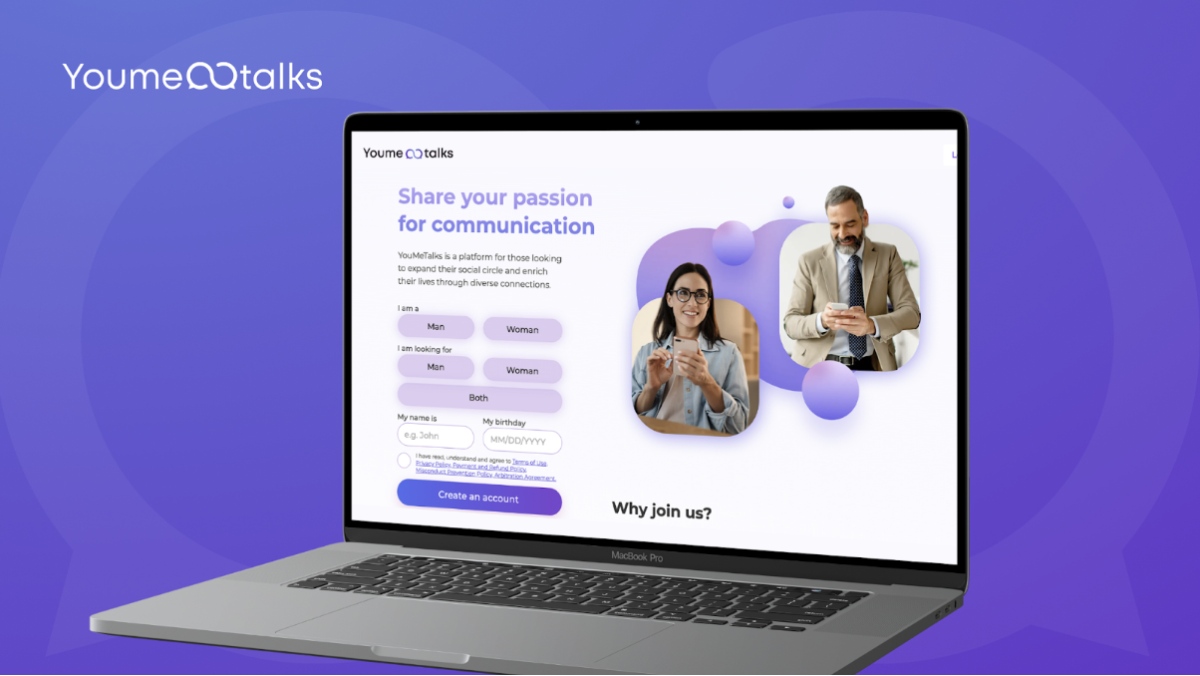
So, you’re wondering about Talkliv, right? The main thing people ask is if the chats actually feel respectful. And that’s a good point in my view, ’cause everyone’s fed up with those loud platforms where chatting feels too fast, kinda random, or just plain strange.
What’s Talkliv for? It’s for folks who want a simple way to message: Like, starting chats, keeping in touch, and making connections that get better as time goes on. That makes sense since, for a lot of people, messaging is how they talk to everyone now. Just look at WhatsApp. They say that most individuals would rather message than call when they’re talking to businesses, so you see how much people like messaging first.
So before you jump in and start clicking around, it helps to understand how the platform is designed to support better conversations. You can explore Talkliv directly to get started, but first, here’s what messaging success looks like on Talkliv.
What Is Talkliv?
Talkliv reviews mention repeatedly that the platform just works. People log in. They send messages. People get them. I think that simplicity on Talkliv matters way more than you’d think.
Talkliv features focus on the basics done right. Fast messaging. Clear conversations. Reliable delivery. When you ask what individuals say about the platform in Talkliv reviews, they talk about this. The platform gets out of the way and lets users talk.
Get The Daily Illini in your inbox!
How Talkliv Works for Online Communication
Considering the information I’ve found, the platform builds its tools around what actually matters in conversation.
- Messaging is fast. When you send something, it gets there immediately. Individuals see your words when you send them.
- Two-way conversation happens naturally. You’re not just broadcasting. People can write back. Online dialogue happens. That’s what separates good communication from one-directional talking.
- Your messages stay organized. Conversations don’t get lost in chaos. You can find what you said before. Context matters. History matters. Talkliv keeps it all.
- Security exists without being annoying. Your messages stay private. You’re not worried about who sees what. You can just communicate.
- The interface is clean. No overwhelming buttons. No confusing menus. Just communication tools that actually make sense.
How to Send Messages People Actually Read
Here’s the talk about communication on Talkliv. Not every note gets read. Not every message gets a response. But some do. The difference is huge on Talkliv.
Here’s how to do it:
- Keep it short. Not paragraph short. Message short. Say what you need to say in as few words as possible.
- Start with something real. Don’t waste opening words. Get to the point immediately.
- Ask clear questions if you want answers. Vague questions get vague responses or no response.
- Use language that sounds like actual talking, not like a robot wrote it.
- Include one main idea per message. Multiple ideas get confusing and don’t work.
- Make your first sentence the most important one. People decide in seconds if they’ll keep reading.
People read text messages within five minutes of getting them. That speed is the power of communication done right. But only if your message is worth reading.
How to Get Responses From Your Audience
Response rates matter. They show that people care enough to write back. Using Talkliv effectively means understanding this. Here’s a guide to using Talkliv that covers more strategy details for Talkliv success.
Here’s how to get people to actually respond:
- Ask a question that matters to them, not just any question. Personal questions get personal answers.
- Show you read what they said before. Reference the previous conversation. That builds a dialogue.
- Give people a reason to respond. Not a demand. A reason. Show you actually care about their answer.
- Respond quickly. If you take forever to reply, they will too.
- Make responses easy. Don’t ask for a book. Give them an easy way to say yes or no.
- Share something real about yourself. People respond to people, not corporate voices.
- Respect their time. Know when to stop pushing. Some conversations end naturally.
Platform Features That Support Messaging
If you want to understand the platform as a product, these are the tools you actually get for day-to-day messaging and interaction. I tried all of them:
- Search page with filters (country, age, gender), plus options to view all profiles, online profiles, or profiles you follow.
- Newsfeed for posting photos and captions, so you can start conversations based on shared interests.
- People carousel with suggested profiles you can like or save.
- Like / Wink / Follow options for light, low-pressure interaction.
- “Let’s Talk” icebreakers you can pick or customize if you’re stuck on a first message.
- Mails for longer messages (with photo attachments).
- Send media, stickers, and drafts (so unfinished replies don’t disappear).
Is Talkliv Safe?
Is Talkliv legit? Here’s what the platform lists as its main safety and privacy practices:
- Security algorithms + a professional moderation team to prevent suspicious activity and remove harmful content.
- Platform guidelines enforcement, where violations can lead to a ban.
- Profile activity is hidden from search engines (so it doesn’t show up in Google searches).
- Account and data deletion via support, with the option to remove your account and associated data.
Building Trust Through Honest Conversation
Trust comes from consistency, following through, and being real. When people share their experiences, they mention one thing repeatedly. When people are honest on Talkliv, things work. When they’re not, they don’t.
Here’s how I see the process of building that trust:
- Say what you mean.
- Follow up when you say you will.
- Admit when you don’t know something.
- Acknowledge when someone is right and you’re wrong.
- Keep conversations private.
- Don’t gossip or share what others told you.
- Show up consistently.
When Talkliv login becomes something people do regularly, it’s usually because they have conversations happening there. Not fake ones. Not promotional ones. Online human connection happens when honesty is real.
Talkliv Reviews
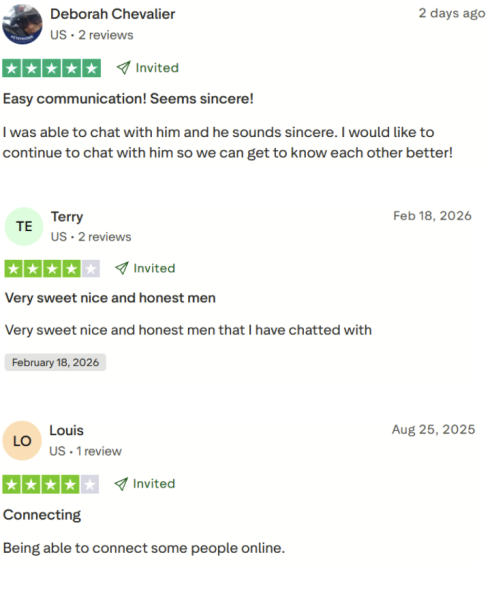
If you skim Talkliv reviews, the same points pop up again and again. On Trustpilot, people often mention easy setup, quick conversations, and responsive support, including replies when users ask about closing or deactivating accounts. On Sitejabber, Talkliv also holds a multi-thousand review count and a solid overall rating, which suggests the platform has an active user base and consistent usage.
Ready to Message Better?
To sum up, the platform works when you understand it. Talkliv is legitimate. Trusted people, strong conversations, and results appear in the reviews.
Good messaging is a skill. It takes practice. It takes honesty. But when you get it right, people respond. People listen. People actually care about what you have to say.
Start exploring what Talkliv can do for you and see how simple good communication can be.
Author’s Bio
Daniel Whitaker is a U.S. researcher who specializes in analyzing online socializing platforms and digital interaction systems. His work explores how platform features, moderation practices, and verification procedures influence the overall usability of these services.
Over the years, Daniel has examined a wide range of platforms, focusing on interface structure, profile management tools, and reporting mechanisms. His research approach involves hands-on testing and long-term observation of platform functionality.
By documenting the structure and policies used by different services, Daniel provides readers with practical insights into how online socializing platforms operate and how their systems are organized.
Daniel Whitaker studies online socializing platforms and how digital environments influence user interaction and platform behavior. His reviews focus on usability, moderation systems, safety features, and platform transparency. By testing and analyzing different services, he provides structured insights that help readers better understand how these platforms operate.
The opinions presented in this article reflect Daniel Whitaker’s independent observations and research. Readers are encouraged to review additional sources before relying on any information presented here. The material is provided for general informational purposes only and should not be interpreted as professional advice.