About an hour has passed since everyone in the family crammed into Grandma’s kitchen to appease their watering mouths and growling stomachs. Plates were piled with more food than anyone should even consider eating in one sitting, and the pounds of mashed potatoes, stuffing, rolls, green bean casserole and, of course, turkey disappeared. The hours Mom and Grandma put into preparing this annual feast are overlooked with stomachaches, football and Dad snoring in the living room.
Everyone’s about to drift off into the same food-induced coma for their infamous post-turkey day nap. And they all blame it on the turkey.
This old myth has become quite the popular assumption. But how true is it?
*Turkey makes you sleepy: False*
Well, mostly false. Tryptophan is a protein, popularly known to be in turkey. It’s an essential amino acid that gets broken down to make serotonin, a neurotransmitter in the brain that is associated with sleep. But the levels of tryptophan that are in foods such as turkey are not enough to make someone tired.
Get The Daily Illini in your inbox!
“It’s a bogus association,” said Rebecca Roach, Food Science Health and Nutrition associate professor. “Any amount of tryptophan in turkey won’t affect your sleeping ability.”
While turkey does have levels of tryptophan in it, it’s certainly nowhere near enough to make you tired on its own accord. In fact, tryptophan is actually in most meats and cheeses – foods high in protein, Roach said. But only when it is in turkey do we tend to blame our sleepiness on the tryptophan. How often have you eaten a block of cheese or a ham and cheese sandwich and thought, “Boy am I tired after eating that. It must have been the tryptophan!”?
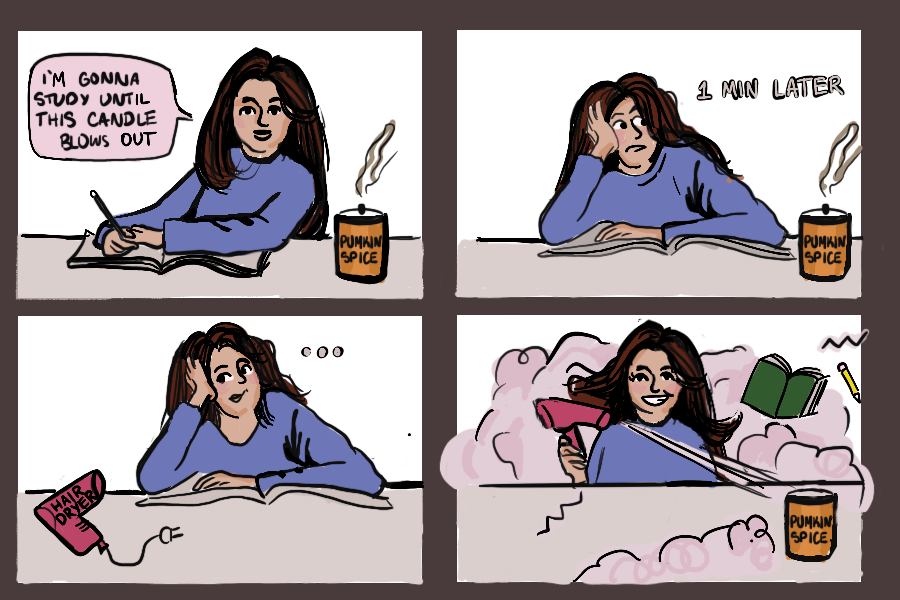
What can make you tired, though, is stress. The Thanksgiving feast is, more often than not, turned into a big show with a lot of hustle and bustle, not to mention hours upon hours of cooking and cleaning. It’s natural to feel exhausted once the apex of the holiday is over.
Also, ingredients such as carbohydrates and calories — especially the mass amount of them you’re consuming in one meal — can undoubtedly add to the drowsiness. Roach explained that eating high-caloric foods such as potatoes, stuffing, pie and rolls, will make you tired as well because more energy is used to break it all down in a short period of time.
Another contributing factor? Alcohol. Yes, we are all surprised. Alcohol makes us sleepy. Combine it with thousands of calories we will consume and a long day of stress and in-laws, and you have yourself a food-coma.
But don’t blame it on the tryptophan.
*Turkey is the best meat to eat because it is the leanest: False*
Sure, it’s lean. We can’t argue that one. But a lot of people think it is significantly better than chicken or pork, so it’s okay to eat more of it. This is our biggest mistake, Roach said. The foods we tend to associate with turkey are potatoes and stuffing, so it really doesn’t matter that turkey may be lean.
Aside from that, turkey is only lean without the skin, which most people neglect to remove because, let’s face it, it’s delicious.
“While it’s a leaner meat, it’s actually higher in fat than chicken or beef with the skin on it,” Roach said.
Most lean turkey meat also is sold as ground turkey, which is just a mixture of all parts of the turkey, including the skin, Roach explained. You have to make sure to read the labels, make sure it’s all white meat and that no skin is added.
*A big Thanksgiving feast won’t break the scale: True*
One day of “pigging out” isn’t going to cause a drastic stunt in your health, as long as it’s not an everyday occurrence.
There are ways though, that Roach says will help curb the impact of this dinner on you waist even more. The Thanksgiving Day feast usually includes a mass quantity of foods we don’t eat normally, so we feel obligated to jump on the chance to lick our plates clean and make sure every morsel is consumed. Roach suggests eating foods such as these a little more often, in healthy proportions, to avoid the mentality of having to eat it all in one day.
If you’re concerned with your health to the extent that it will affect your Thanksgiving celebration, there are ways around it. Eat in moderation the week up to the feast. Go for a run that morning.
Eat a little in the morning so you’re not as hungry by the time the big meal rolls around. Sleep it off, go shopping the next morning and fall back into your healthy lifestyle. The one day of indulgence won’t make or break you as long as it doesn’t become a regularity.
Thanksgiving is one day. Enjoy it. And besides, it’s not as if Christmas feasts are too far off anyway.
_Meghan is a sophomore in Media._