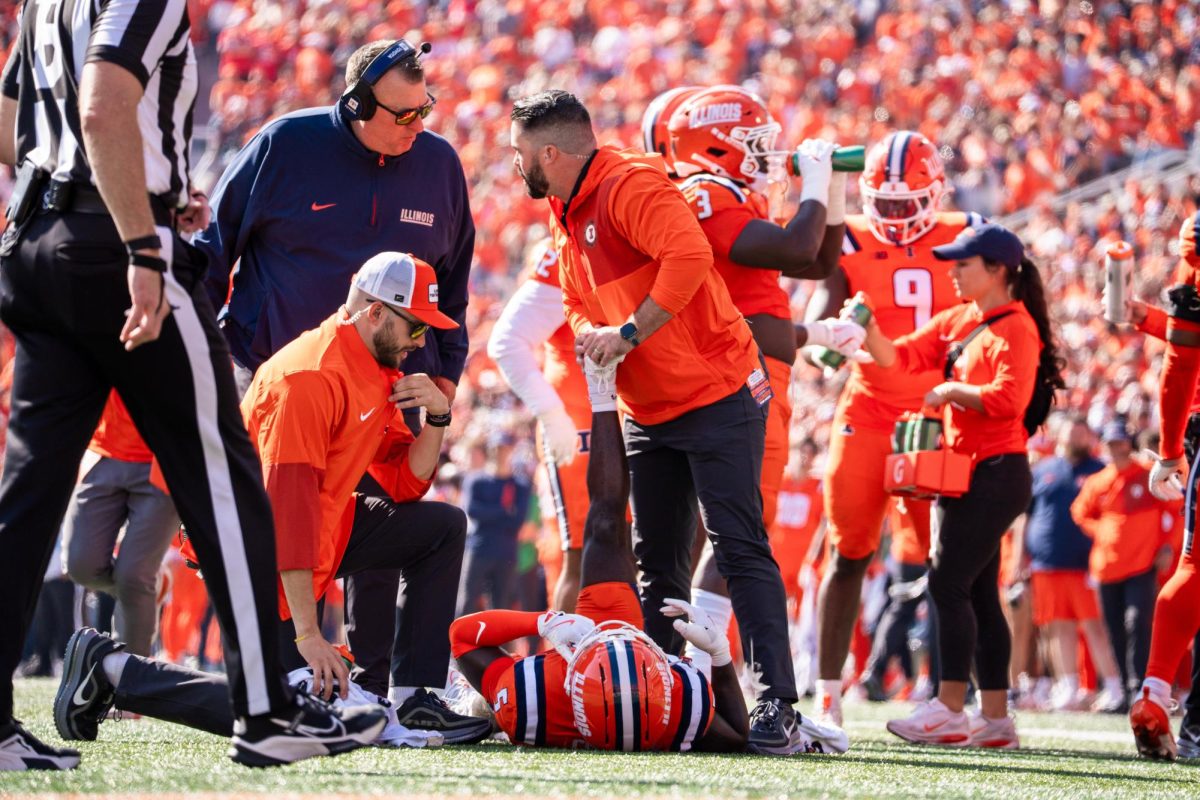
Arizona Quarterback Matt Scott was making a slide in a play when he hit his head in an October game. It wasn’t long after that he was vomiting at the sidelines, clearly suffering from a concussion. But he wasn’t pulled out of the game to be checked up on by nearby medical professionals. Instead, he went right back into the game. It wasn’t until he had thrown another pass that he rushed to the sidelines yet again and was examined by staff. Yes, in fact, they did find that he had a concussion, and he was pulled from the rest of the game.
It seems ridiculous that Arizona head football coach Rich Rodriguez would subject one of his players to such serious injury and then ask him to keep on playing. But, unfortunately, this isn’t a standalone case.
The 2012 NCAA football season has been littered with examples of teams that throw their players back out on the field, even after suffering serious injury: Florida State’s quarterback, a USC wide receiver and UConn’s quarterback, to name a few, continued playing after receiving concussions. In essence, by encouraging their players to go back out onto the field, these NCAA coaches are giving the thumbs down to their gladiators in the grand arena.
Currently, the National Football League Players Association is working to bring independent neurologists to the sidelines, so that unbiased, third-party observers can correctly assess the condition of players. Such a practice should also be adopted by the NCAA; the judgment call about putting these players back on the field should not be in the hands of those invested in the game — a medical professional needs to make the decision.
The reason why NCAA teams can get away with hurting their players like this is because there is no procedure set by the NCAA to handle concussions. What the NCAA does have is a website dedicated to identifying concussions, to mitigate any legal repercussions should an injured player decide to sue. There are provisions for concussions in the NCAA rules, but there is no central authority to oversee this.
Get The Daily Illini in your inbox!
As concussions in football are becoming an increasing worry for the NCAA and NFL, both are trying to institute necessary changes. But the first thing the NCAA must do is to establish a standardized protocol for handling head injuries during play, because the players whom these injuries affect — college students who may never enter professional football — are the ones who are being hurt most by the mismanagement.
Let the players play, but hold the coaches and the NCAA to their responsibility of protecting their athletes.