It’s been a great couple of years for sports. The NFL, NBA and most recently the NHL all weathered lockouts and continued to draw huge crowds, not to mention millions watching the games at home. The love affair is strong as ever.
These have been great years for organized sports. But terrible ones for athletes.
The trial of South African Olympic sprinter Oscar Pistorius for the murder of his 29-year-old girlfriend is the latest in an astonishing train of tragedy and betrayal in the sports world. Pistorius, a double leg amputee, competed in the 2012 Summer Olympics, the first double-leg amputee ever to do so. Now, he is standing trial after shooting his girlfriend to death in their home.
Here in the U.S., we are used to stories of athletes receiving DUIs or getting in brawls at clubs, but fans this year were treated to stories like that of Kansas City Chiefs linebacker Jovan Belcher, who shot his girlfriend and later himself. Or that of Dallas Cowboys defensive tackle and former Illini Josh Brent, charged with manslaughter after drunkenly crashing his car and killing a teammate in the passenger seat.
Early this year, Lance Armstrong finally admitted to years of doping, completing his transformation from a celebrated athlete and philanthropist to simply a liar and philanthropist. If Pistorius is found guilty of murder, then his fall will be even greater than Armstrong’s.
Get The Daily Illini in your inbox!
These events needn’t shake our love of athletics. They should, however, lead us to realize that individual athletes — despite incredible physical accomplishments, fame, money or even nobility — are human and prone to ignorance and mistakes in judgement.
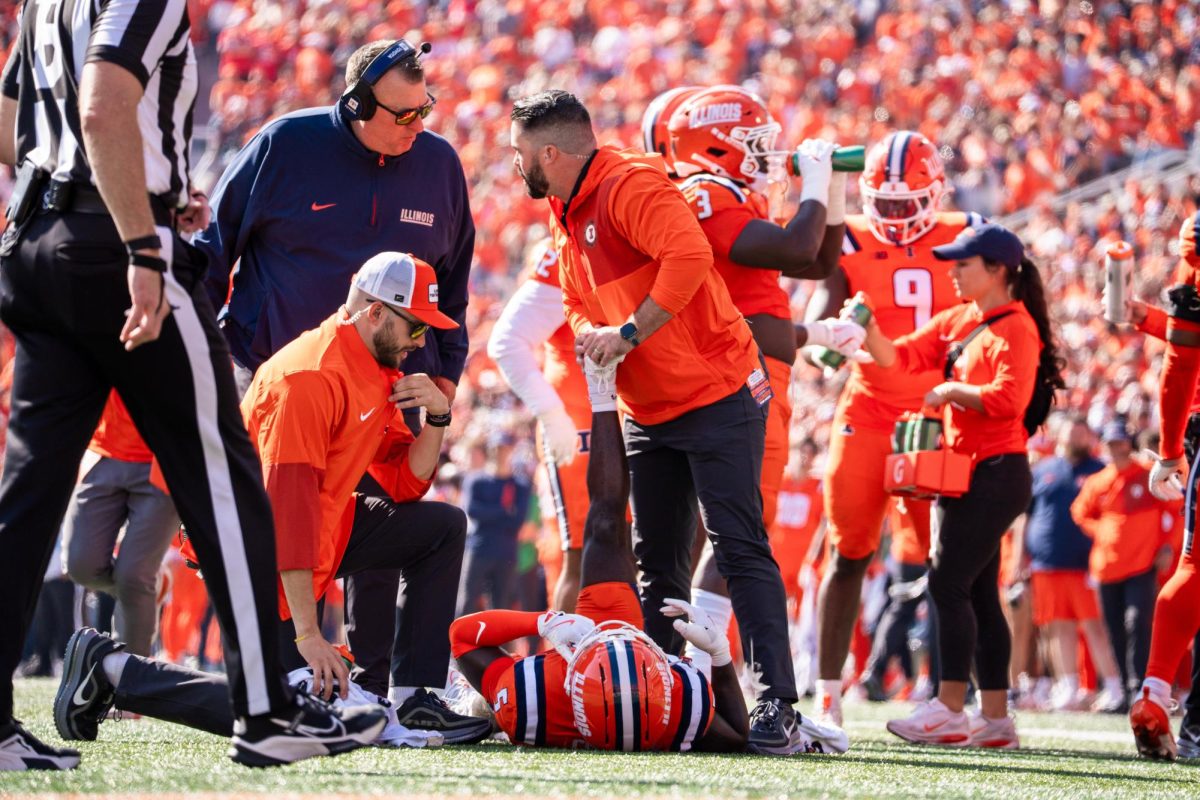
Athletes need help and guidance, and they live their lives under a pressure to perform that the rest of us simply can’t understand. For many students on this campus, recovering from a failed exam means new study habits and extra credit. When a University athlete fails, sometimes the ligaments in their knees fail with them.
Most organized sports are attempting to better their ability to watch after their athletes, not just off the filed, but also after they enter into the real world. While these measures might not have prevented a tragedy such as Pistorius’, providing athletes with support structures and mentors could go a long way in helping them deal with the pressure of competition and, later, the temptations of fame and money.
This University provides a number of resources to athletes to address these very issues, and it wisely recognizes that balancing being a full-time student and essentially a full-time athlete is not easy for anyone. Competing and practicing every week places unique pressure on these students, not to mention frequent traveling.
At the end of the day, we value sports and the athletes who compete in them. This isn’t about following a team or playing fantasy football: There is real meaning in the lives of those who push themselves to incredible levels.
Just look at Tyler Griffey. The eruption inside Assembly Hall after his shot will perpetuate long after Armstrong’s and Pistorius’ names disappear forever from the headlines. People don’t love sports because of jerseys or Beyonce performances. No, it’s watching our athletes succeed, and being with them when they do.