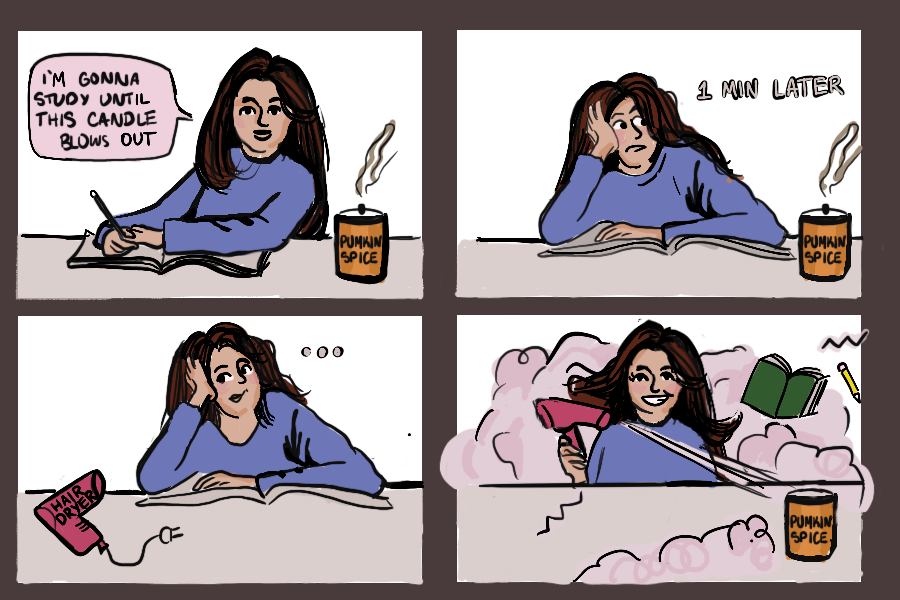
After 72 hours of deprivation from Facebook, my thirst for Timeline gossip and photographed spring break chronicles is unquenchable. I pour through messages and event invites received over the weekend and enviously stalk friends in California.
John Warren Kindt, professor emeritus for the College of Business, researched the impacts of decriminalizing gambling activities, and the “addiction” that can come along with it. He compared the addictive nature of gambling with that of social media.
“If a person can’t go on vacation for a while and not go on social media sites, that’s problematic,” Kindt said.
For the past three days, I’ve intentionally avoided all social media networks. Since I don’t use Twitter or Instagram all that often, I attempted to disconnect from communication devices to create more of a challenge for me. No texting, no calling, no emailing, no online networking. How did I do?
Day One: Friday, March 22
Get The Daily Illini in your inbox!
On the cell phone front, I broke almost immediately. I decided to leave my cellphone on for texting and phone calls, but only for emergencies.
In the morning, I distracted myself by thrifting at a local shop. But once I was home, minutes dragged by as my Droid nearly vibrated off the dresser. I stared at my phone’s screen. A yellow envelope graphic with a bright red “4” peered right back, indicating that I had 4 text messages awaiting me. Wondering what could be inside each of those envelopes tested me. What if it was an emergency? I surrendered.
Fortunately, the situation did not get to the dire point of me waking up in the middle in the might to check my messages, which a 2010 study from Oxygen Media Insights Group found many other women did. The company found that 21 percent of more than 1,600 women polled between ages 18 and 34 woke up from their sleep at night to read texts.
Day Two: Saturday, March 23
I tried to avoid checking my email, but then I remembered the work-related emails that were probably flooding my inbox. Just because I stopped interacting with others online did not mean the whole world had stopped for me too. Work and opportunity deadlines kept rolling. There was a comfort and assurance as I logged back into my email that I would not slip behind.
However, I was able to resist the urge to log back onto my social media life, even though the Oxygen Media study shows that many can’t. 1/3 of women ages 18-34 reported checking Facebook routinely right after waking up.
Day Three: Sunday, March 24
When I received a LinkedIn connection request via email in the morning, I nearly logged in without thinking twice. My fingertips hovered over the keyboard like a wind-up toy ready to unreel. As I began typing my username, I realized my mistake and left the website.
Fast-forward to nine hours later.
Am I embarrassed because I had a tab open to Facebook at 11:59 p.m. on Sunday night, all ready to log on? Only mildly.
Day Four: Monday, March 25 — The Aftermath
The time is past midnight and my Facebook News Feed is a frenzy of headlines and updates. One minute it lights up with play-by-plays of the Miami Heat vs. Charlotte Bobcats game on Sunday night, the next with statuses from Illini students heading back to campus. It then moves on to more important matters, like the University’s snow day.
Social media is not newspaper news. It’s personalized, social news. I am among the first to find out when my previous editor’s baby finally grew teeth and when my former grammar school teacher spoke out against the banning of Marjane Satrapi’s “Persepolis: The Story of a Childhood” from Chicago Public School classrooms. A 2012 State of News Media study, with research by the Pew Research Center’s Project for Excellence in Journalism, confirms what I realized from trying to live without social media: I get a lot of social news from people I know on my Facebook feed. The study showed 70 percent of users get their news links from friends and family. Perhaps one of the reasons I’ve grown so fond of Facebook is its ability to provide news so quickly from the people and places that matter the most to me.
Although I was unable to go cold turkey from communication devices, I was able to withstand logging into social media accounts. I learned that being dependent on social media can be intrusive. Like anything, it should be used in moderation.
Lyanne is a sophomore in Media. She can be reached at alfaro2@dailyillini.com.