They say a photo is worth 1,000 words.
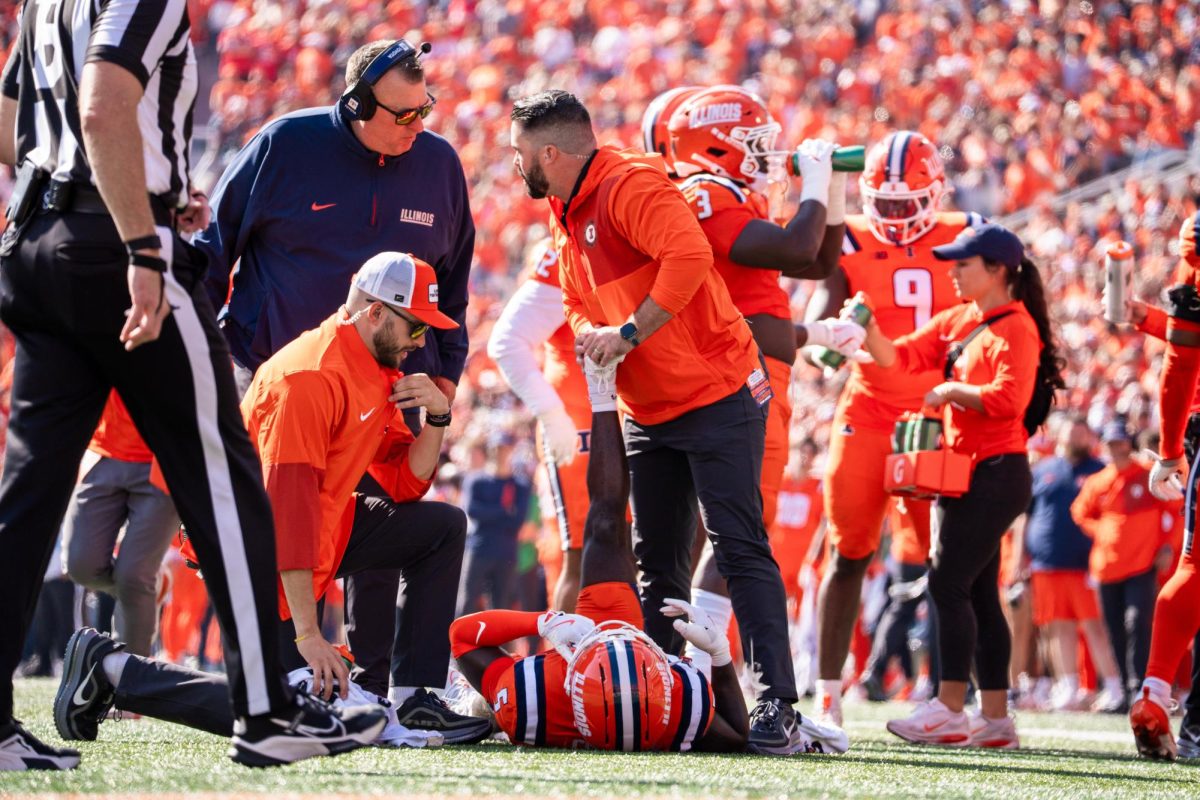
But for us writers, photos could make the difference of whether our stories are read. The Daily Illini, as well as other newspapers, relies on strong visuals to provide a backbone to our writing. Without an artistic touch, even the strongest stories have potential to go by the wayside to our readers.
After all, that’s why we dedicate an issue to that year’s best photography, and that’s something we intend on keeping, unlike the Chicago Sun-Times with even its most experienced photojournalists.
Last week, the 65-year-old newspaper shocked the journalism world by announcing that it laid off its entire staff. Yes, not even Pulitzer Prize-winning John White was spared. This move baffled many journalists and media critics, and we too feel this confusion.
While it was an obvious decision from a financial standpoint, it was one that will hurt the quality of journalism — both photo- and reporting-wise. Consider the example from earlier last academic year: the dumpster fire behind IHOP. After the Daily Illini was alerted to the incident, several reporters began asking those gathering questions: “Did you live there?” or “How were you alerted of the fire, and how did you get out?”
Get The Daily Illini in your inbox!
We were trying to crowd source to hear from those who were affected and near the scene. Meanwhile, one of our photographers was snapping images as the fire truck was hosing down the dumpster from above. Without a photographer on staff, we would have had to rely on reporters to capture the moment first before starting to track down possible interview subjects.
And those amateur photography skills don’t include any technical aspects, like lighting or framing. Shortly after the announcement, the Sun-Times initiated mandatory training for reporters in iPhone photography, which will undoubtedly help the quality of what we can potentially see on the cover. But there’s no training that can fill the shoes left behind by a photographer — someone who has specialized in his or her field for years.
The newspaper has a valid financial point: Demand for video is very high. We encourage the growth of video — we are trying to expand our video content as well — but not at the expense of an entire staff.
While using Getty Images or Associated Press wire photos are convenient, it takes away what a photo can bring to a newspaper; many times an iconic photo outlives an iconic story. A photo can show the hardships following the Oklahoma tornado that a story cannot describe. A photo can go back in time — even the most historic moments, such as America’s civil rights movements, are depicted in images that are indelible in American minds.
These photos, iconic or not, are what make stories jump out to readers quickly scanning the page. Yes, last week’s move was a step backward for the photo industry. But it’s too important for it not to continue. We depend on it.