Rating: 8.2/10
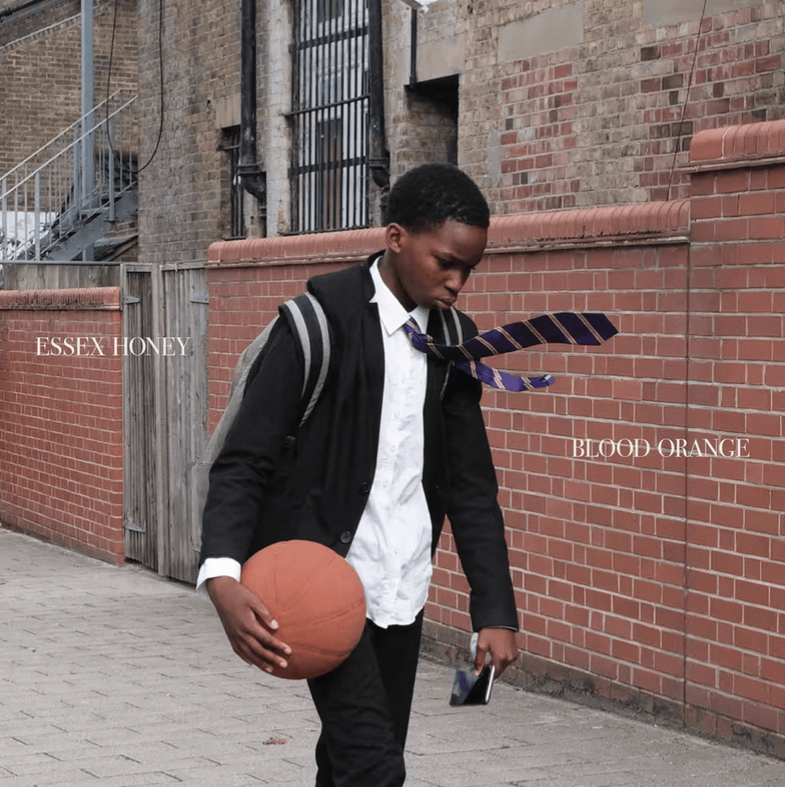
Blood Orange, or Devonté Hynes, is a once-in-a-lifetime artist. From working with musicians like Solange and Lorde, to composing symphonies and scoring music for movies, Hynes is hard to miss. His new album, “Essex Honey,” is yet another testament to his talent.
The title “Essex Honey” pays homage to his hometown of Essex, England. This album creates a soundscape detailing his maturation and how his environment aided that experience. Accompanying this idea are themes of grief and how we attach people to places.
How Hynes tackles and interprets these themes is concrete and straightforward. He says what he means lyrically and allows his production to carry on where he left off. Some tracks leave more to be desired in terms of how they finish. While some have a tasteful end, others can feel abrupt or a little out of place in the flow of the record.
Get The Daily Illini in your inbox!
In an interview with NPR, Hynes discussed how the recent passing of his mother shaped the album, but, more than that, his life after her passing.
“It’s a lot of questions,” Hynes said. “It’s a lot of darkness. It’s a lot of … it’s the realities of, I guess, trauma and death and grief, the realities of depression.”
The record opens with “Look at You,” where melodies start tense and then relax, guiding listeners into the album. As the song progresses, classic Blood Orange echoes and harmonies are added, as well as an interesting drum line and eventually a saxophone.
About halfway through the track, the busy sound of the song switches to simple guitar strums that Hynes sings over. Behind him is dialogue that seems to reflect on the loss of his mother and youth.
Lines such as “Since you died, it hasn’t stopped raining” and “A thousand angels weeping for you” paint a portrait of grief in how one perceives nature.
The three-track run of “Somewhere in Between,” “The Field” and “Mind Loaded” showcases the strongest songs off the album, all of which were singles introducing the record.
“Somewhere in Between” begins with a dreamy synth that cuts to a satisfyingly clean guitar riff. The track later welcomes a harmonica and horns as the tempo picks up. The end of the song allows the horn to take over, but as soon as it makes itself known, the guitar returns with its easy groove.
When explaining the lyrics of this song to Genius, Hynes described this song as being the center of the album.
“Essentially, it’s actually about my mother passing away and within that, trying to find a center,” Hynes said. “There’s kind of a dual meaning for me in the song. The first meaning is trying to find the center in the chaos that’s happening. But also, I’ve always kind of been looking at my youth and how that’s informed me in life now. Now with my mother passing, it’s now made me look at the other side of life a lot more.”
The lyrics are quite literal in most of the songs on this record. He attests that this decision makes it easier for the audience to get to the root of the emotion.
“In the middle of your life/ Could you have taken some more time?/ And if it’s nothing like they said/ It’s somewhere in between,” Hynes sings.
The first single from the album rollout, “The Field,” contains a stacked list of features, all of which do not disappoint. They perform to the likes of a church hymn behind Hynes’ familiar guitar and rhythmic synth beats. In the midst of all these artists, Caroline Polachek stands out with her beautifully haunting vocals that transcend the song.
Tracks such as “Thinking Clean,” “Vivid Light” and “Countryside” follow a similar autobiographical format. Each song features Hynes’ voice layered on top of various piano melodies and instrumentals, all played by him.
Perhaps the biggest gripe listeners may have with some of these songs is how they tend to cut off, which is best heard on “Thinking Clean.”
Just as listeners are getting comfortable and anticipating a gratifying ending, the song cuts to harsh strings or muffled conversations. At times, it can be confusing to follow. Whether the track ends or not is hard to decipher until the vocals on the next track begin.
As the album enters the second half of its runtime, “Life” marks a much-needed sonic change in the album.
“Scared of It” follows and is perhaps one of the edgier and more melodically interesting tracks that come out from this record. The song appears to portray the concept of mortality after dealing with loss. Brendan Yates, frontman of the band Turnstile, lends a fresh voice to the record that comes at the perfect time.
Ending the record, “I Listened (Every Night)” and “I Can Go” slip back into the formula used heavily by the first half of the record.
The last track feels like a proper send-off to both the record and Hynes’ youth.
Mustafa rounds out the ending of the record with his soulful delivery.
“I can go/ I can go,” he sings.
This record is one of the more sonically interesting and visual albums in Blood Orange’s musical catalog. While the album keeps some of the guitars that make Hynes’ sound unique, it’s different from his other works. It’s slower and more drawn out, but purposeful. It implores listeners to contemplate all the “Somewhere in Between” we exist in.