Rating: 9/10
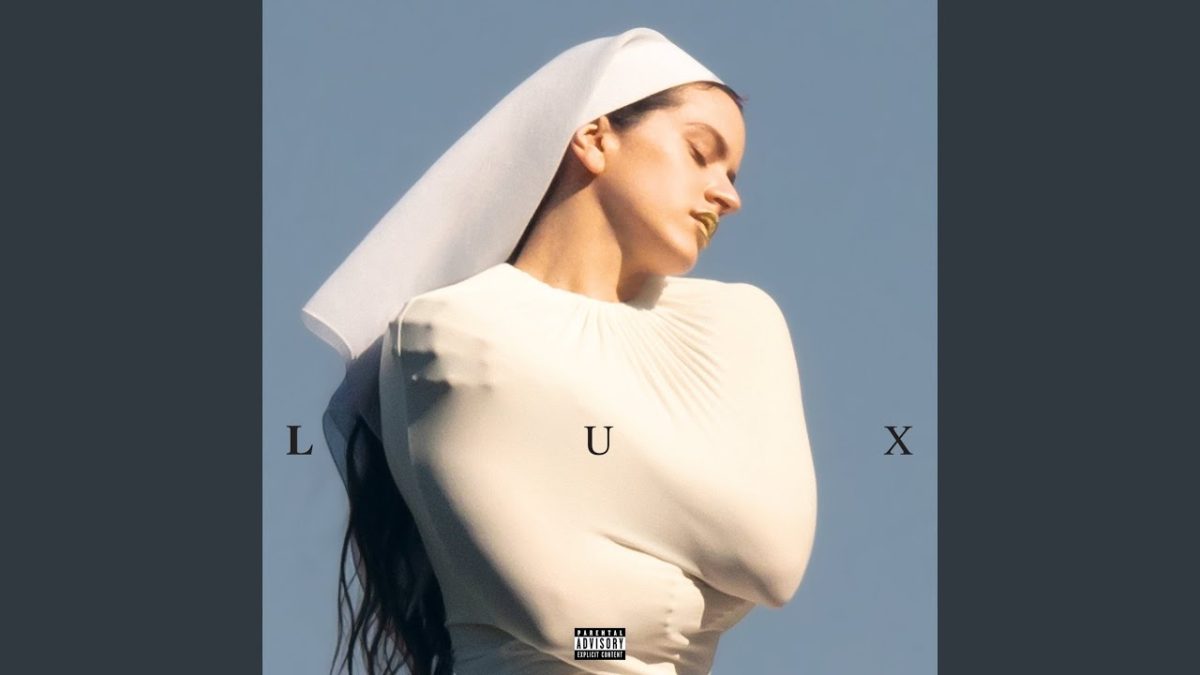
Rosalía is breaking records with the release of her fourth album, “LUX.” Within hours of its Friday release, it became the most-streamed album in a single day in Spotify history by a Spanish-speaking female artist.
According to an interview with Popcast before the album’s release, Rosalía wanted this album to redefine what “pop music” means.
“I want to think that my music is pop,” Rosalía said. “There has to exist another way of making pop. I need to think that what I’m doing is pop, because otherwise, I don’t think that I am succeeding.”
Get The Daily Illini in your inbox!
The singer’s three previous albums, “Los Ángeles,” “El Mal Querer” and “MOTOMAMI,” experimented with flamenco, reggaeton, folk and R&B sounds. “LUX” completely distinguishes from these sounds, creating a classical, sacred and ethereal sound for this record.
“LUX,” Latin for “light,” traces a search for illumination in a world shadowed by darkness and spirituality.
Rosalía sings in 14 languages throughout the physical edition of the album, her native Spanish and Catalan being the primary. Others include English, Japanese, German, French, Hebrew, Arabic, Italian, Portuguese, Ukrainian, Sicilian, Latin and Mandarin.
“I think that if I could have fit the entire world in a room, in a record, I would have done it if I could,” Rosalía said in an interview with NPR. “This is what I could do now, which was Lux, which has these stories from around the world.”
“Berghain,” the album’s lead single, blends Spanish, English and German. The track features guest appearances by Björk, Yves Tumor and the London Symphony Orchestra. Released on Oct. 27, the track set the tone for the sonic world of “LUX.” It finds Rosalía venturing into opera for the first time and, unexpectedly, singing in German, a departure from the traditional sounds of her first three projects.
Tracks like “Reliquia” and “Sauvignon Blanc” explore the intense emotions at the heart of “LUX,” where faith and desire intertwine.
“Pero mi corazón nunca ha sido mío, yo siempre lo doy (But my heart has never been mine, I always give it),” Rosalía sang on “Reliquia.” “Coge un trozo de mí, quédatelo pa’ cuando no esté/ Seré tu reliquia (Take a piece of me, keep it for when I’m not there, I’m your relic).”
Through lyrics about a heart that is never truly her own, giving it as a relic to another, Rosalía explores emotional surrender and human longing. Encompassing the album’s concept of passivity, “Reliquia” is a standout track full of raw intensity and vulnerability, highlighting the album’s delicate storytelling.
“Sauvignon Blanc” centers on releasing a past defined by materialism and consecrating a new, heartfelt devotion. The song features simplistic acoustics and sincere lyricism, reinforcing the main message of the album. It turns love into a luminous, sacred force that guides the search for light in a world of darkness.
“Ya no quiero perlas ni caviar/ Tu amor será mi capital (I don’t want pearls or caviar, your love will be my capital),” Rosalía sang on “Sauvignon Blanc.” “¿Y qué más da? Si te tengo a ti/ No necesito nada más/ sauvignon blanc a tu lado/ Mi futuro será dorado (And what more matters if I have you? I don’t need more, a sauvignon blanc by your side, my future will be golden).”
The album draws heavily on hagiography, stories about saints and the lives of spiritual figures, including Saint Olga of Kyiv on “De Madrugá” and Anandamayi Ma on “Magnolias.” The use of multiple languages throughout the album reflects the global origins of these influences, providing a sense of universality for listeners to connect.
For the track, “Mio Cristo Piange Diamanti,” sung in Italian, Rosalía studied the friendship between Saint Francis and Saint Clare of Assisi. The ballad captures the beautiful, strong bond the two saints shared, adding emotional depth and tenderness to the album.
Through songs that explore human reflection, religion, vulnerability and self-revelation, the religious imagery feels both intimate and relatable.
“Magnolias” transforms the album’s finale into a meditation that turns reflection into celebration, embracing death with happiness and grace. The album’s closing track leaves listeners with a lingering sense of peace and wonder after the musical voyage of “LUX.”
“Que nadie vaya a llorar el día que yo me muera (That nobody cries the day I die),” Rosalía said in an interview with Zane Lowe about the song’s meaning. “Es más hermoso cantar, aunque se cante con pena (It’s more beautiful to sing, even if sung with grief).”
The album serves as a statement, a study on, and an unveiling of the feminine mystique as being both powerful and fragile. It’s a journey, an exploration of the heart, mind and soul.
“LUX” isn’t a reintroduction to Rosalía; it’s a reimagining of what pop music can be, and a reflection on how the boundaries in contemporary music are constantly changing. The material on the album is vast, but personal — a clear, artistic vision brought to life.
By blending both ambition and intimacy, Rosalía has solidified her place as an artist who is not afraid to challenge expectations. “LUX” stands as a testament to her creativity in composing experiences through music.