Rating: 10/10
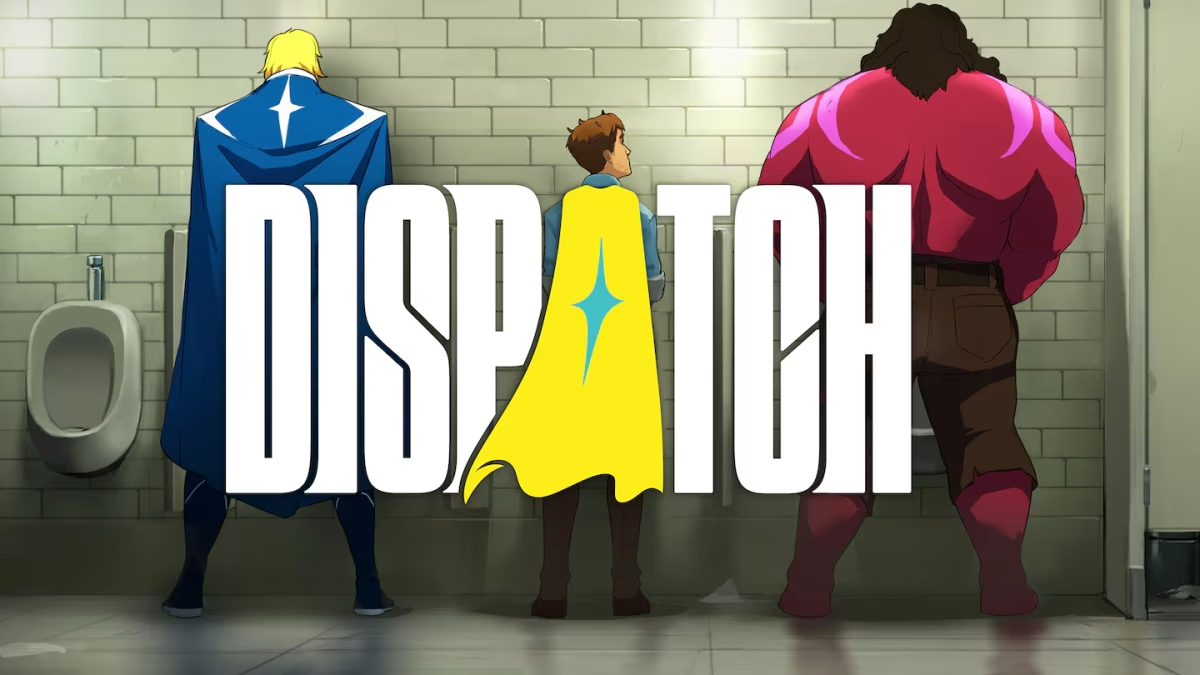
“Dispatch,” the Telltale-style episodic adventure game developed by AdHoc Studio, surrounds a group of B-list supervillains turned heroes and their charismatic supervisors. Setting a refreshingly brisk pace of two episodes a week, AdHoc released “Dispatch” on Oct. 22 and concluded on Nov. 12.
The biggest draw for casual gamers is the voice acting from famous YouTubers like MoistCr1TiKaL (Sonar), jacksepticeye (Punch-Up) and an “Overwhelmingly Positive” Steam rating. Following an appropriately positive reaction to the initial release, the game has garnered major attention and praise from the online gaming community.
The story follows the main character, Robert (Aaron Paul), formerly known as the superhero Mecha Man, who joins the Superhero Dispatch Network after his super suit is broken in combat.
Get The Daily Illini in your inbox!
Robert is tasked with directing the Z-Team, the bottom level of superheroes working for the SDN and former villains who joined in an effort to redeem themselves. Robert does his best to impart wisdom to the group, teaching them how to be real heroes and work as a team.
The bulk of the game is like watching an interactive TV show where players choose different dialogue points and make important decisions that influence the story’s progression. The storyline is surprisingly complex, taking many twists and turns that are often shocking and unexpected. Even the seemingly small decisions shape the relationships between Robert and the other characters, influencing their actions across episodes.
There are hundreds of potential interactions between the characters, all dependent on the state of their relationship with Robert and the conflicts or synergies they have among themselves. The average player will only hear a fraction of the game dialogue in one play-through, and this is likely by design. Most play-throughs of “Dispatch” are defined by the romantic and personal choices the player makes for Robert.
The dialogue throughout the story is where this game truly shines. Each character has a very unique and well-developed personality that is evident in even their smallest interactions. There’s a lot of banter between the characters on the Z-Team during shifts, and depending on what the player chooses to do, they will say different things.
Beyond witty dialogue, these lines help progress the overall storyline by providing a deeper characterization of each superhero. Paying attention to the characters’ personality traits can help players decide who to send out on what mission.
Alienating a hero can have real consequences by making them more difficult and less willing to cooperate, while establishing respect for Robert can help the superheroes work better together. Together, these factors make an immersive experience for the player where every decision truly matters.
While “Dispatch” is sold and built on its hands-off narrative style, there is enough interactivity to keep the game fun for casual and serious gamers alike. Robert’s role as a titular dispatcher is a deceptively simple one, with tasks ranging from balloons lost in trees to full-scale attacks by supervillain gang “the Red Ring.”
There’s a solid amount of split-second mental math that goes into the bulk of “Dispatch’s” gameplay. The player can find themself overwhelmed between the immediate needs of their team and their greater responsibilities as a first responder in this pulpy, exaggerated world.
A lack of resources might force you to send a giant bat-monster to moderate a children’s talent show for lack of a better option, just as SDN’s socially awkward janitor, Waterboy (Joel Haver), might be your only hero on call for a high-speed car chase. Each hero’s strengths and weaknesses play into the ultimate probability that their task will work out.
It’s undoubtedly frustrating to watch a high-priority crime pop up right when your best hero just left for a mission, but the game forces you to be flexible in this way, discovering hidden abilities from heroes you didn’t know you needed.
The conceit of the Z-Team lends itself greatly to the raunchy yet earnest comedic tone of the game, with stubborn barflies and burnt-out slackers making for appropriately shabby superheroes. This room for improvement is what drives Robert and the game itself forward, as the gradual expansion of the Z-Team is its own reward.
While the in-game levelling up of the characters can be seen through their increasing stats and abilities, AdHoc does an excellent job of building the Z-Team up outside of gameplay. Initially standoffish characters like Flambae or wild cards like Invisigal can seem intimidating to new players, but these dynamics evolve in unexpected ways across episodes.
“Dispatch” roundly categorizes itself as a “real” video game with a handful of other interactive elements, namely a painfully repetitive hacking mini-game and the occasional quick-time event to keep the player on their toes. These tend to feel like an afterthought against the backdrop of the game’s slick writing and robust gameplay, but they’re more or less optional, rarely having any real impact on how the story plays out.
The game does a great job of balancing humor and dramatic themes; tackling complex issues of forgiveness, trust, and loyalty while also delivering “The Boys’” level of slapstick humor, vulgar comedy and gore. These include many scenes with characters like Invisigal (Laura Bailey) making lewd comments and Punch-Up’s slight obsession with attacking genitalia.
However, the game offers just as many sincere moments among the team as they genuinely care for each other, making the game overall incredibly well-rounded.
Many gamers are already itching to see a Part 2 release of “Dispatch” after the final episodes aired. Whether you choose to romance Invisigal or Blonde Blazer, “Dispatch” might just be the game of the year.