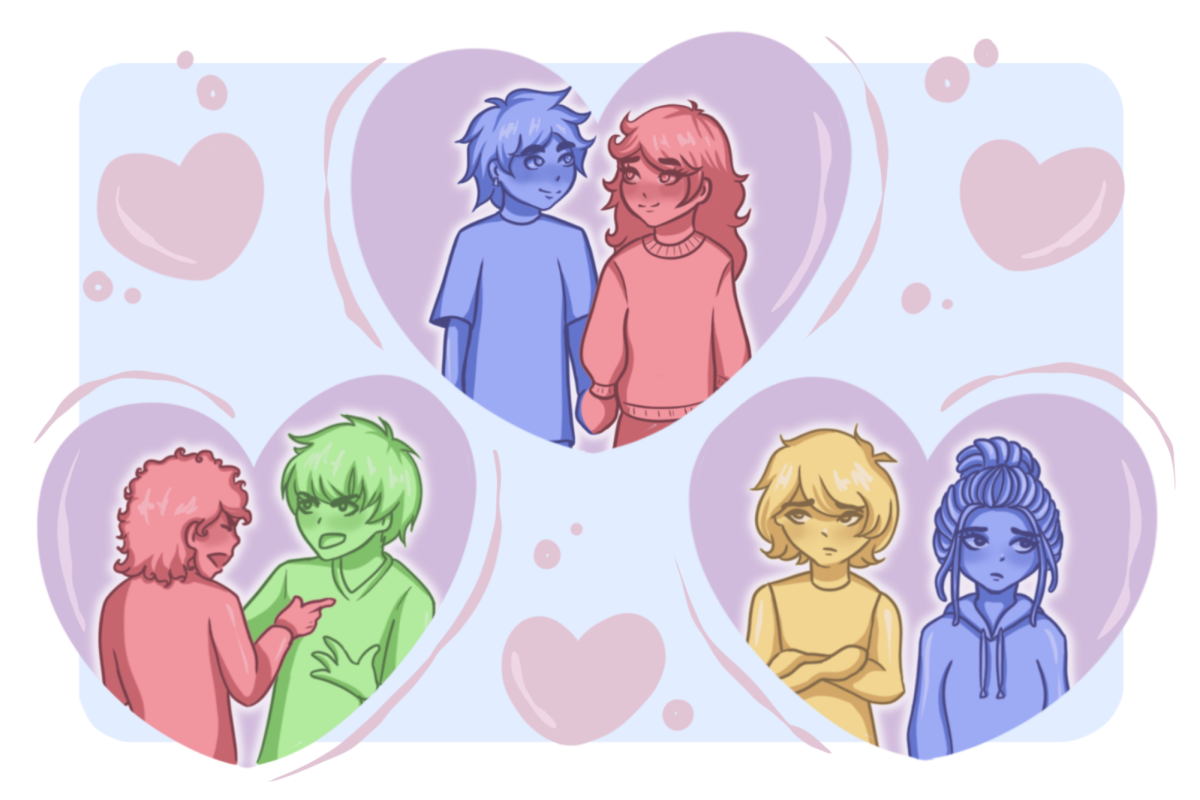
TYPING IN ALL CAPS IN AN ONLINE CHAT ROOM OR FORUM IS CONSIDERED SHOUTING. Most avid forum users find it extremely rude. In fact, some will yell back at you to “STOP SHOUTING AT ME.” I picked up on this the hard way having accidently “shouted” while playing an online version of a board game. “No shouting” is only one of the many unofficial laws of cyberspace that forum and chat room police will rebuke you for. Many of the rules are created by users over time while others seem to naturally develop out of a growing use of the Internet and online social communities. They call it “netiquette.”
You may practice and even demand netiquette without even knowing it. Writing an email to a professor requires a certain flair of professionalism that communicates respect. I remember having a professor my freshman year who wouldn’t read or respond to emails that didn’t fit a certain criteria that included having a proper subject, opening and closing.
There are also rules about texting that I only recently became aware of, such as not texting anyone at 2 a.m. for anything unimportant, assuming they’re awake because you are. Otherwise, they just may think you’re a family member with an emergency and will jump out of bed to answer the text, which only reads “are you coming tomorrow?”
Having good netiquette has become an international issue. In South Korea, laws have been passed that incorporate netiquette lessons in grade schools. Many of the schools have joined a program called Sunfull. According to its website, Sunfull is a Korean-based movement that aims to fight cyber-bullying and “clean up online message boards by removing anonymous derogatory comments and increasing the practice of positive messages online.” The initiative was started by a professor in response to high-profiled suicides of people who were cyber-bullied. He asked his students to counterattack mean postings with positive messages.
People are inclined to ditch their manners and post rude and hateful things online “because it’s anonymous,” said Josh Wray, senior in Media. Wray said he sees this often in the comments sections of Youtube videos. Other rude behaviors he notices is spamming or posting advertisements to forums that have nothing to do with the topic, he said.
Get The Daily Illini in your inbox!
While a lot of email spam goes straight to our junk mail folders, others penetrate programming codes and CAPTCHA (the annoying word verification systems) by people who try to make them visible. Wray said spammers will sometimes copy and paste their messages and respond to several different questions on the forum.
Other violations of netiquette could be based more or less on personal annoyances.
Posting “First!” on Youtube video comment boards annoys Wray, he said. The users who post them typically boast about being the first to comment on the video and others tend to follow suit with “second!” and “third!” Avid gamers often complain that playing games online can get so intense that players begin cursing and getting vulgar, insulting other players.
Others are not as bothered by such annoyances and barely notice them. Rachel Pahnke, freshman in ACES, said she thinks netiquette rules are fair, but that none of the behaviors they fight really bother her.
What does bother Pahnke is when cyberspace and online behaviors cross over into the real world. Pahnke said she likes to text, but doesn’t like to see people using text speech in more professional settings. More and more people are resorting to using text-speech in other settings, she said.
“In English classes I’ve seen (it in) handouts and stuff,” Pahnke said.
Common online behaviors that interfere with face-to-face etiquette — now that’s another column.
Vince is a senior in Media.