When Ellen Schonken, senior in ACES, first went to Urbana’s Central Illinois Bat Festival last year, she immediately spoke with organizers about creating a festival in a field she was interested in: mycology, or the study of fungi.
Now, just over a year later, Urbana’s first annual Fungi Festival will be held on Oct. 11-12, featuring nature walks, research presentations, a raffle and more, all to teach locals the power of a humble spore.
“Originally, I just wanted to connect … people to the resources we had at the University related to mycology,” Schonken said. “The ideas have grown since then as I’ve gotten more ideas for different parts I wanted included in the festival.”
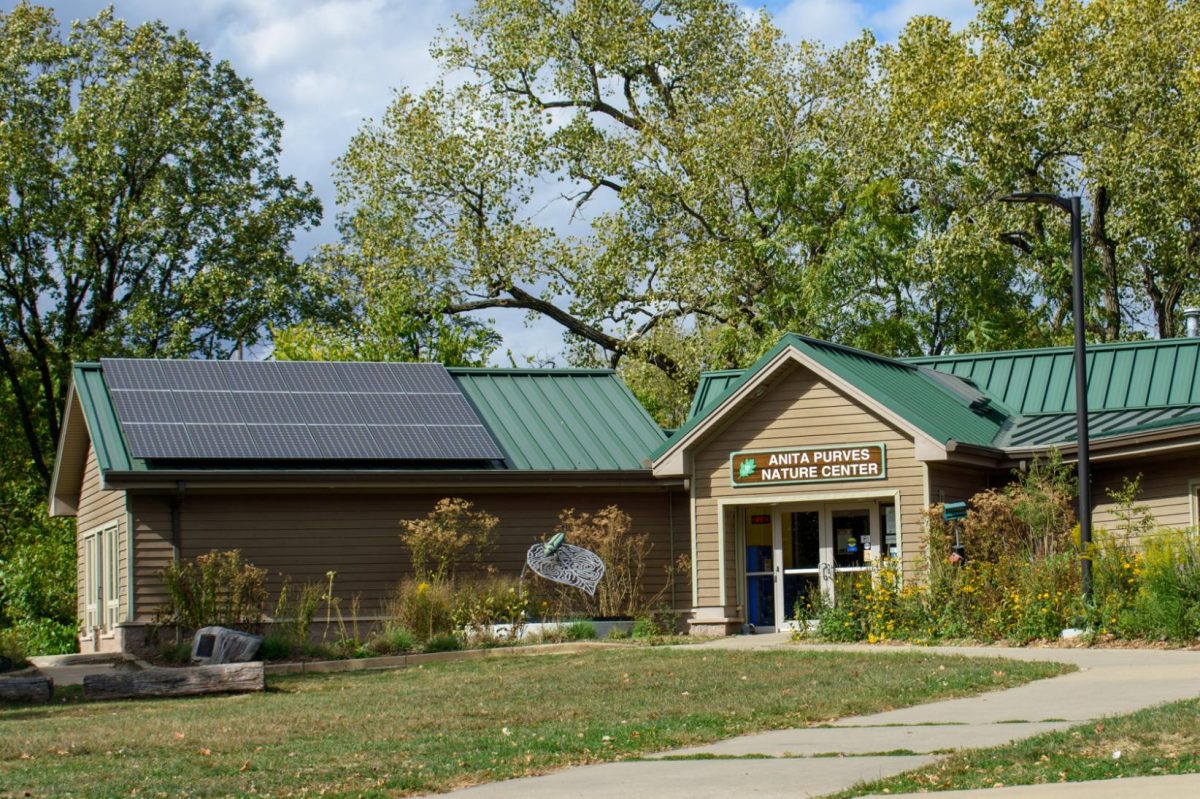
The festival spans two days and two separate locations. Saturday’s activities are at Anita Purves Nature Center and include guided walks through Busey Woods, where participants can learn about iNaturalist, an organism identification app for everyday nature enthusiasts.
The festival will also feature new additions to Anita Purves related to fungi.
Get The Daily Illini in your inbox!
“I am putting together a new fungi exhibit that will be ready for this event, in addition to expanding our fungi guide that’s available for free at the front desk,” said Connor Ross, environmental services and outreach coordinator at Anita Purves. “So there’s going to be lots of resources on our end about fungi.”
On Sunday, a photo contest and a kids’ art contest will be displayed for public viewing at Lincoln Square Mall.
This wide variety of activities throughout the festival was purposeful; Schonken arranged events that would be interesting to attendees of all ages.
“(We’re) trying to get different levels of engagement so everybody could be involved and find something that they’re interested in,” Schonken said.
Since its inception, Schonken has remained deeply involved with all aspects of the festival’s planning. She started with a list of personal goals for the festival and sought help from fungi researchers at the University and individuals within the field to turn ideas into action.
Together, Schonken, Ross and David Subers, former environmental public program coordinator at Anita Purves, started organizing the festival in earnest in May. In doing so, Schonken organized a sizable part of the festival.
According to Ross, festivals of this size, like the Bat Festival, would normally require an entire board of experts and affiliates to plan and prepare, but Schonken’s work allowed the team to remain fairly small.
The festival also includes a variety of fungi-related research talks by faculty and students from the University. The talks include “Hidden in the Dark: Using Environmental DNA to Study Fungi in Caves,” “Foliar Endophytes: Not All Leaf Funguses Are Bad” and “From Holy Fire to Corn Mummies: Mycotoxins and the Dark Side of Fungi.”
One of these presenters is Erinn Dady, academic adviser in the School of Integrative Biology and a University alum. Her talk, titled “Changing the Volume on Volatiles: How Fungi and Caterpillars Modify Plant Communication,” is the result of her research as a graduate student studying entomology.
Beyond simply describing her own research to audiences, Dady hopes that the festival will adjust people’s perceptions of our below-ground neighbors.
“One thing that I noticed about insects as well as fungi is … they’re misunderstood,” Dady said. “But the ecology of them and how they live and make a living and how they contribute to their ecosystem is fascinating.”
By connecting with the public, presenters like those at the festival hope to eliminate these biases and shed light on the power of fungi in our ecosystem.
According to Dady, however, scientists can often be isolated from experts outside of their field, so opportunities like this festival allow the public to connect with these scientists in new and exciting ways.
“The public has amazing ideas all the time, and sometimes just that interface between trained scientists and the public can be really cool,” Dady said. “The public can ask questions that a researcher has never thought of.”
Although the festival has yet to begin, the passion for its messaging is clear in its organizers and presenters, and attendees are sure to come away with new perspectives on the mycological world.
No matter what its future may hold, the Fungi Festival’s inaugural run-through promises to be exciting.
“If I (stay in the area), I already have plans for future fungi fests in the next few years as well,” Schonken said. “But even if I go somewhere else, I think I’d probably try and organize a fungi fest every year. (I) just think it’s fun to organize and have.”