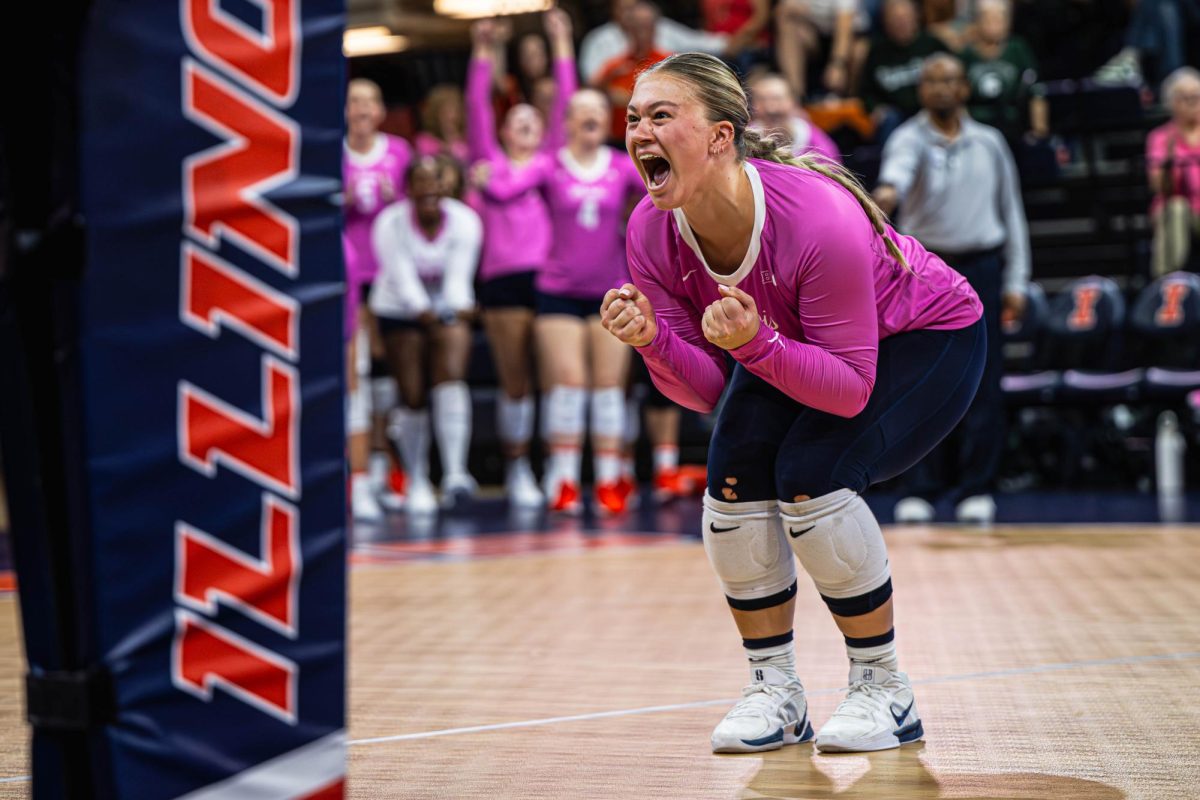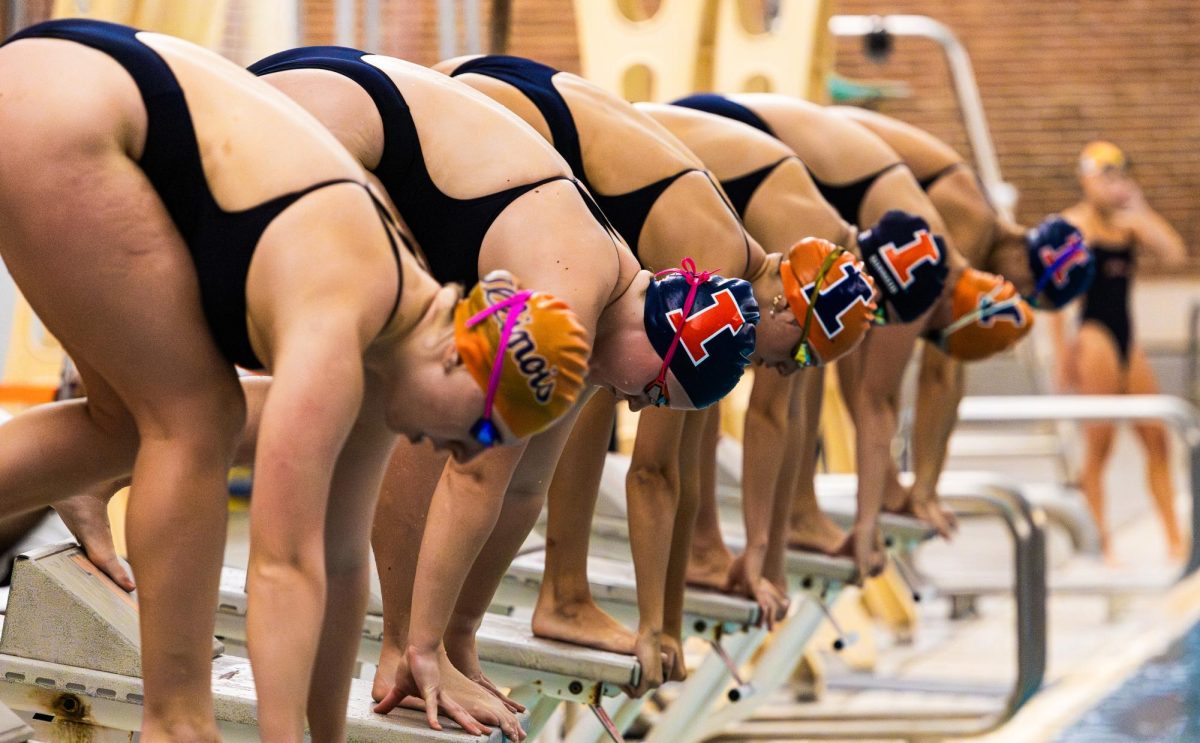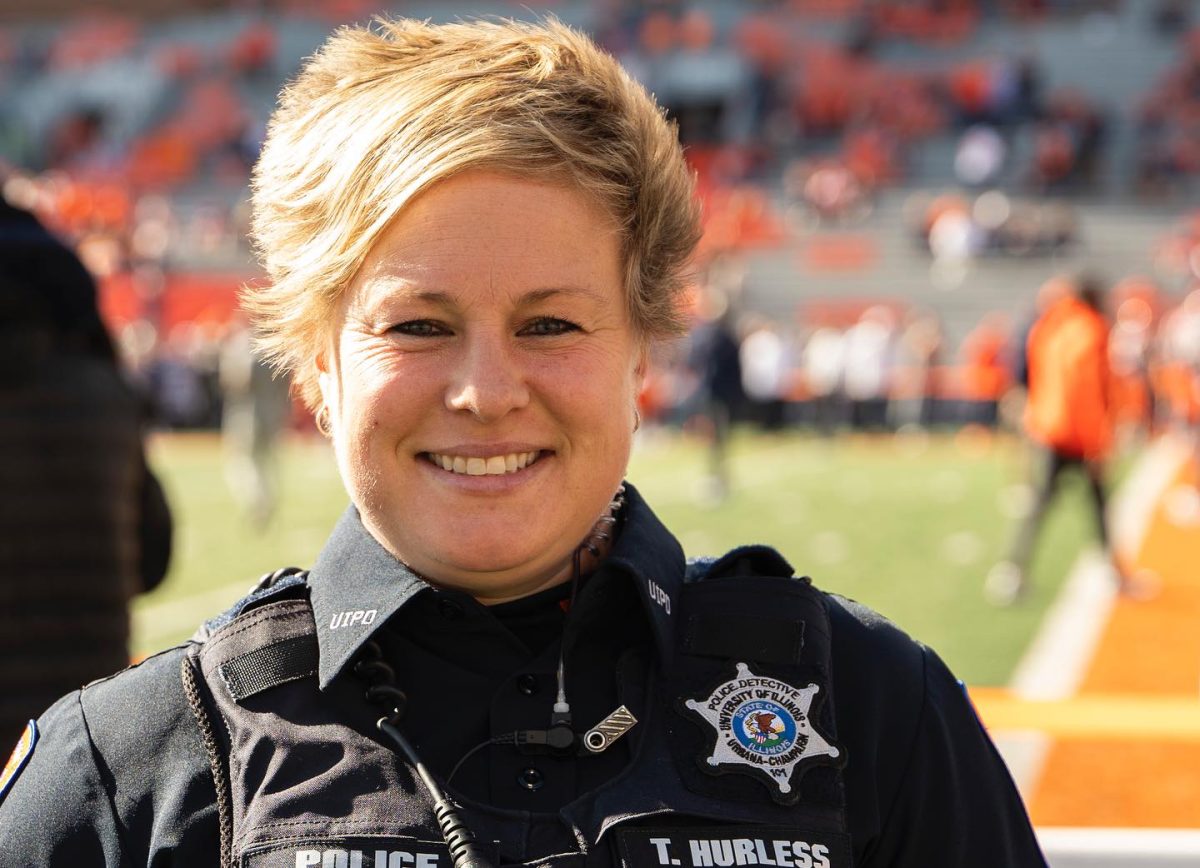
From the moment Tara Hurless stepped on campus for her 2001 freshman soccer season at the University, she felt a sense of comfort. This encouraged her to make genuine connections with a diverse range of people at the University and in the surrounding community.
These connections ultimately led Hurless back to Champaign-Urbana after retiring from playing professional soccer in Sweden.
“I came back to the University because of the people that put so much into me those five years,” Hurless said. “I feel like I owe it to the University to put that back in.”
The problem Hurless faced after leaving athletics was deciding what career path to take. During her time as a student-athlete, Hurless felt she didn’t have a plan for what she would pursue if her soccer career abruptly ended.
“There’s so much out there to study and learn,” Hurless said. “You just have to be in a spot where you allow yourself to be vulnerable and put yourself in uncomfortable situations to help you grow.”
Get The Daily Illini in your inbox!
Although the University didn’t have a criminology program during Hurless’ four years, her interest in the subject stuck enough for her to explore a career in it. However, Hurless hit a bump in the road when she didn’t pass her test for the Champaign Police Department on the first go-around.
Luckily for Hurless, this didn’t entirely prevent her from working in policing for long. The chief of police introduced Hurless to an intern program that only required a physical assessment — easily accomplished given her soccer background.
Hurless was hired as an officer in January 2013. Since then, leading a career in C-U has allowed her to give back to a community that she said gave her so much as a student.
“I feel like I have first row tickets to the best show in the world,” Hurless said. “I feel like I’m making a difference within our campus community and adjacent community. I’ve been here since 2001, and I used those networking tools I was taught through sports.”
Throughout her years of working for UIPD, Hurless found that there are connections between policing and the lessons she learned during her soccer tenure.
“I may have only been a part of a team of 22 girls, but we all had a common goal,” Hurless said. “Whether that’s to win that specific game, work hard at practice, win a Big Ten championship, make the NCAA tournament — as a team, you’re growing every single day. I think that’s what you’re doing in policing as well, because we have the same kind of goal. It’s just getting home safe (and) making sure our community is safe and secure.”
Michelle Schroeder, a lieutenant at UIPD and former sergeant above Hurless, described her “good aura” and highly motivated attitude on patrol. Schroeder said she wasn’t initially aware of Hurless’ athletic history, as Hurless never overplayed her achievements as a soccer player.
“A lot of times people like to ride out on their past accomplishments,” Schroeder said. “But with her, there’s a continual drive to continue to do great things, continue to challenge herself and grow.”
One of these challenges Schroeder said Hurless has taken head-on has been switching back to patrol after working with her therapy K-9, Huff. Hurless and Huff worked together for years doing public events and presentations and were dispatched to a variety of calls.
“It’s a passion; I can’t even put into words how much that helped me grow within my career,” Hurless said. “Because I was not only helping our campus community and adjacent communities but folks all over the world.”
According to Hurless, she and Huff were seeing “anywhere from 100 to 150,000 people a year,” helping to implement the therapy K-9s in the area and even traveling internationally until Huff’s retirement.
Hurless has since been reassigned to patrol, and Schroeder said her skills from working with Huff, combined with her athletic history, have given her strengths she might not even know yet.
“I really feel like that helped her level up even more,” Schroeder said about Hurless’ time working with Huff. “I don’t even think she realized it.”
Hurless and Huff’s partnership impacted more than just Hurless herself. According to UIPD Behavioral Health Detective Michelle Kaeding, the use of therapy K-9s has been well-received in C-U. Kaeding said the K-9s have a subconscious benefit of perking people up and making them happier. When she worked as an investigator, K-9s were useful during survivor case interviews.
“I felt like in the few instances when I used (therapy K-9s) as an investigative detective, it was a good tool to use to help (interviewees) feel more comfortable and bring some walls down,” Kaeding said.
From helping out in crisis situations to being a stress reliever for University students during finals season, therapy K-9s can make a positive difference in all areas and for all demographics.
Huff and Hurless still volunteer in the area — sometimes on Hurless’ days off each week — visiting a variety of locations, including assisted living areas, firehouses and nursing homes. Even post-retirement, Huff is still helping Hurless and others broaden their connections to the community.
“He’s not going to fix what’s going on, right?” Hurless said. “But it’s allowing you to feel something … You go into a room and you’re making a connection with all these folks, and it becomes a positive interaction. Even if I’m there for a very sad situation … whatever that looks like, he’s very good at what he does.”