The Senate Executive Committee tasked the Ninth Senate Review Commission with reviewing the University’s honorary degree awarding process Monday. This comes after the University Senate rejected the creation of an Ad Hoc Committee on the Honorary Degree Awards Process at its last meeting.
The SEC assigned the commission to “Conduct a comprehensive review of the current honorary degree award criteria and process and make recommendations for improvement” to the SEC by Jan. 23, 2026, according to a charge letter draft shown during the meeting.
SR9 — shorthand for the commission — is a group of students and faculty who review the Senate’s overall structure, committees and operations. Senators approved its creation in September.
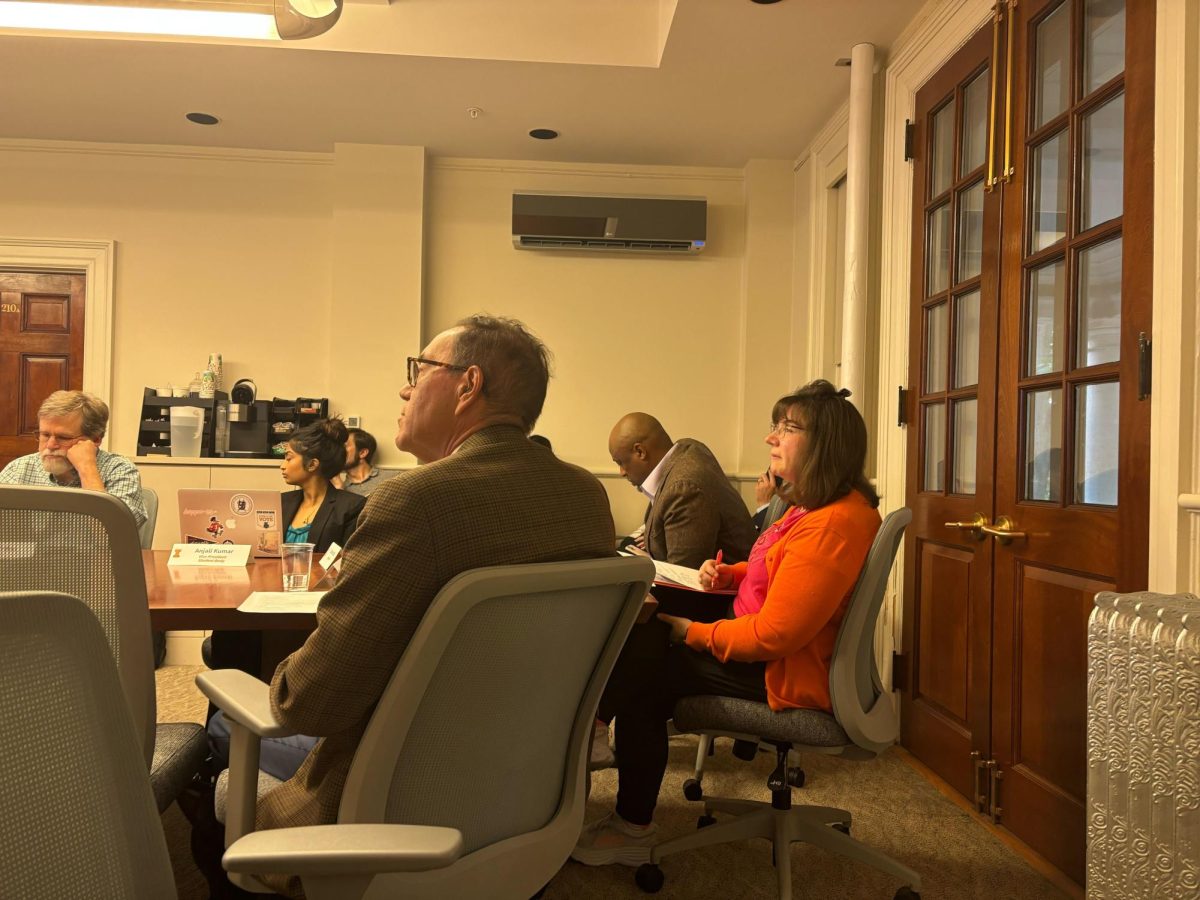
These updates came during the SEC’s latest meeting, where members discussed honorary degrees, labor contracts and revisions to online language requirements, among other topics.
SEC Chair and professor in ACES Angela Lyons brought up honorary degrees, saying that the review process will be a part of SR9’s charge letter.
Get The Daily Illini in your inbox!
David Dalpiaz, University statutes and senate procedures committee chair and professor in Engineering, asked for clarification about giving SR9 the responsibility.
“I wasn’t aware that was what was happening,” Dalpiaz said. “The Senate voted down the ad hoc committee, but I didn’t necessarily understand that to mean that it would fall to the review commission.”
In response, Lyons said the honorary degree process has to be reviewed. She continued by saying that, because of the Senate’s rejection of the ad hoc committee, the responsibility is delegated to SR9.
“I stated that in two SEC meetings,” Lyons said. “I stated that in the comments as the chair that day when (senators) voted that we have to do a review of this … I couldn’t have been more clear about that.”
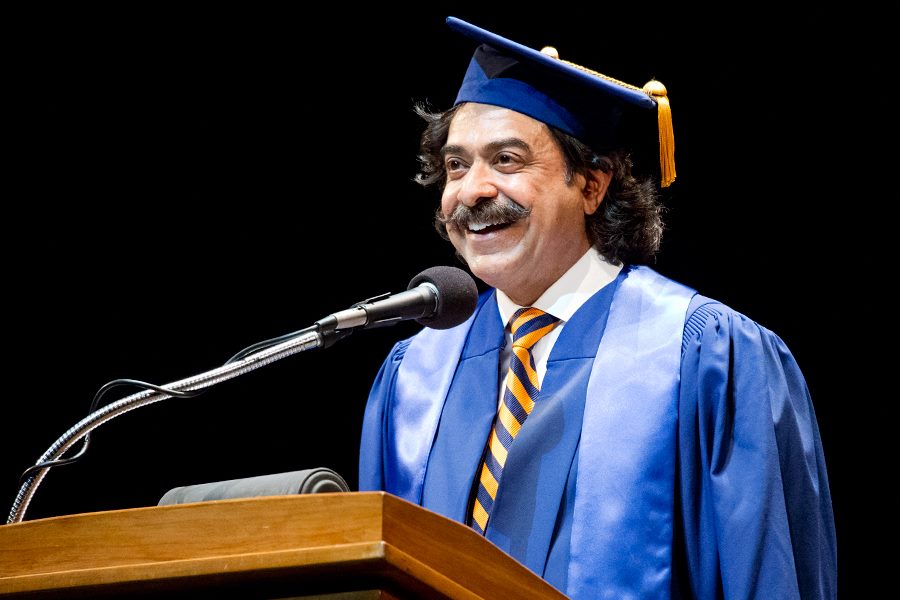
At this point, discussion turned toward ensuring candidate privacy. Privacy has been a central issue for honorary degrees since senators publicly rejected Shahid Khan, University alum and billionaire, in December.
However, the Open Meetings Act requires Senate meetings to be public, making confidentiality difficult to achieve.
“Particularly given the Open Meetings Act, and that the whole Senate has to vote on approval of any proposed (nominee), I don’t understand how it’s possible to have real candidate privacy,” said John Weible, faculty and academic staff benefits committee chair and professor in Information Sciences.
Lyons replied by saying privacy is an important ideal to work toward despite legal hurdles.
“It’s reasonable to think we want to just review this and see if we can do it better, so it’s a little bit hard for me to see why this is so controversial,” Lyons said.
The next Senate meeting is Monday at the Illini Union, and the next SEC meeting is Oct. 27.