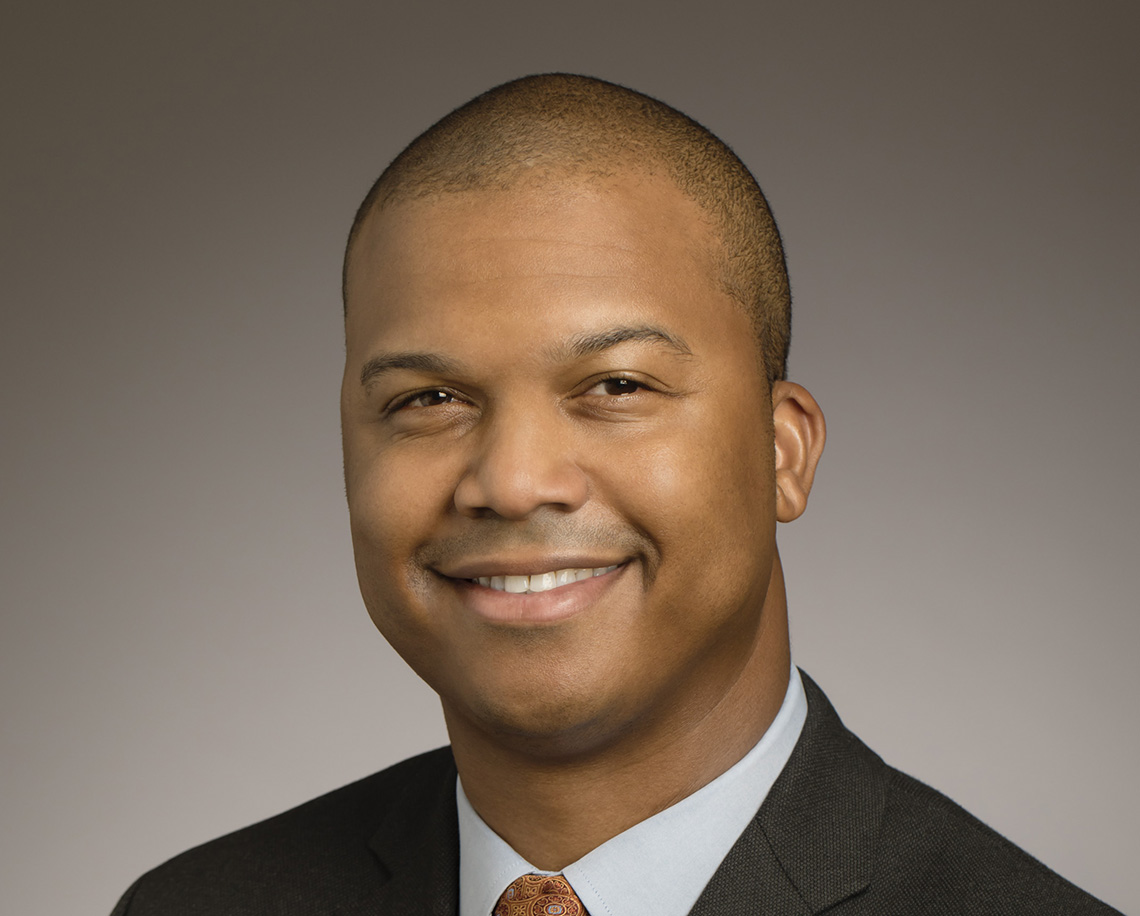
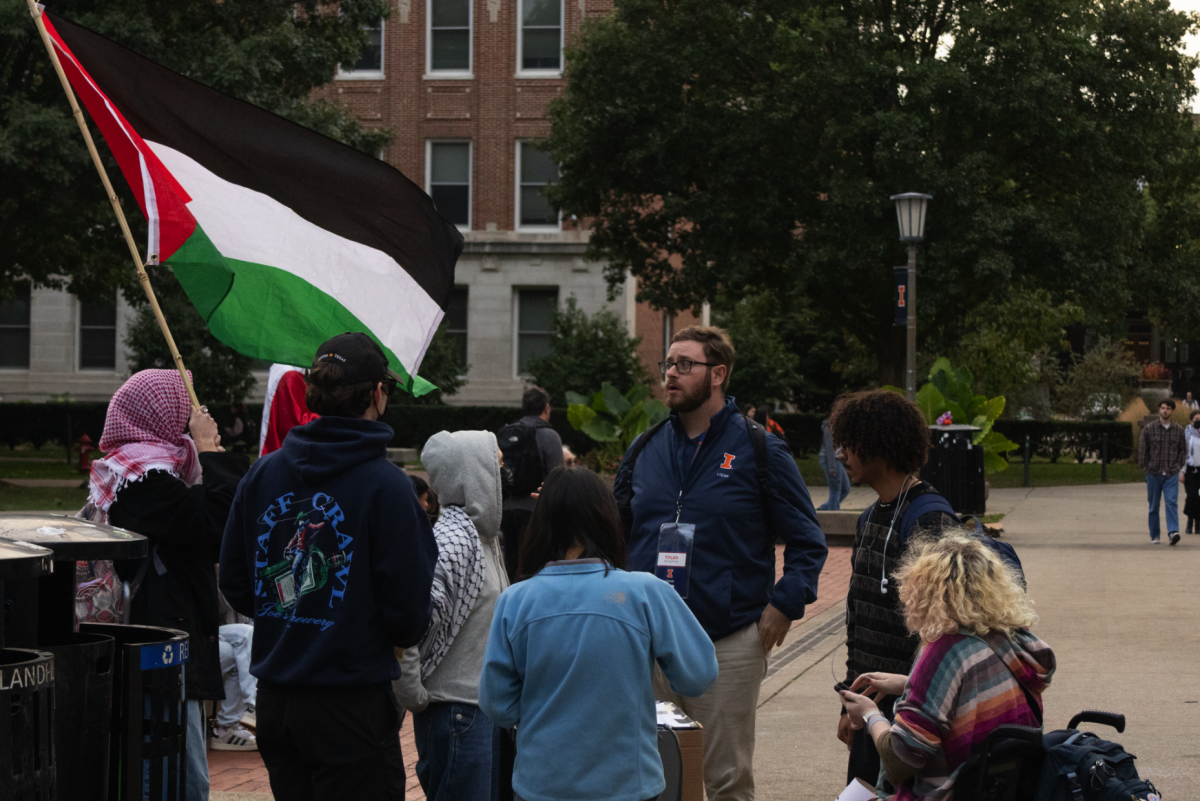
On March 4, 2013, multibillionaire and University alum Shahid Khan’s nomination for an honorary Doctorate of Engineering was deferred in a meeting closed from the public and subsequently dismissed.
Eleven years, four dean nominators and a letter of recommendation from NFL Commissioner Roger Goodell later, Khan would get a second chance at an honorary degree, only for University faculty to deny it once again. This time, administrators wouldn’t hold back in their efforts to change the process for good.
Honorary degrees hold a long history at the University, with the first being given in 1891. These degrees are meant to honor candidates who contribute to a field and have extraordinary achievements, among a host of other criteria. They are awarded to candidates each year at the University’s spring commencement ceremony.
Each candidate goes through a series of steps to be approved for an honorary degree. This article will focus primarily on the University’s process, where the University Senate, a legislative group of roughly 300 students and faculty, is in charge of forwarding nominees to the University of Illinois Board of Trustees for final approval.
The Senate is split into more than 20 committees that report back to the larger Senate, independently making decisions or adding agenda items for the full Senate to vote on in each of its monthly meetings during the school year.
Get The Daily Illini in your inbox!
Each of the three universities in the UI System has its own separate Senate and process for recommending candidates for honorary degrees to the Board of Trustees. An honorary degree recipient receives the honorary degree from the campus that nominated them.
The University’s current honorary degree recommendation process involves a candidate being nominated by an academic unit, approved by the Senate Committee on Honorary Degrees — hereafter referred to as HD — and forwarded to the Senate for a vote.
If affirmed, the Board of Trustees gives final approval to the University for conferral at its spring commencement ceremony. Currently, that final Board of Trustees approval can only come after the candidate is recommended by the Senate, as written in the Statutes.
The Statutes are a UI System governing document. A change to the Statutes typically goes through a lengthy and detailed process involving all three UI System universities and the Board of Trustees.
The Statutes delegate each of the three senates to decide how to confer candidates for an honorary degree. Article II, Section 1d of the Statutes begins, “Each senate shall recommend candidates for honorary degrees,” and that half-sentence marks the one and only mention of honorary degrees in the entirety of the Statutes.
The Board of Trustees could change the Statutes by itself as long as it consults the Universities and UI System President first.
Rather, in the wake of Khan’s second failed honorary degree, first the Board of Trustees Chair and later the UI System President each personally requested the three UI System universities to review their honorary degree processes.
Now, multiple distinct subgroups within the Senate are considering how to alter the process to ensure candidate privacy while preserving the Senate’s power and not violating the strict guidelines of the Open Meetings Act.
This article by The Daily Illini is based on over a year of research, Senate meetings and interviews. It provides a first-of-its-kind, comprehensive timeline from Khan’s graduation, through his honorary degree nominations and ends with a look at what is to come later this month.
Throughout the article, Khan’s numerous and longstanding financial and personal connections to the University and UI System are detailed alongside the ongoing and controversial efforts to change the honorary degree process.
Timeline
May 1971: Khan graduated from the University with a Bachelor of Science in industrial engineering. While a student, Khan joined the Beta Theta Pi fraternity and met his future wife, Ann Carlson Khan.

1971-1978: After graduation, Khan was hired as the engineering manager of the Urbana-based automotive manufacturing company Flex-N-Gate. He then left to start his own manufacturing company named Bumper Works.
1980: Khan purchased his former employer Flex-N-Gate and combined it with Bumper Works. Today, Flex-N-Gate brings in over $9 billion in annual revenue while employing a reported 27,000 employees.
April 16, 2007: Khan and his wife funded a “major expansion” for the Illinois tennis facilities, named the Shahid and Ann Khan Outdoor Tennis Complex. By this time, Khan had received an Honorary “I” Award from the Varsity “I” Association in 2006, among other contributions.
April 2010: Khan was inducted into The Grainger College of Engineering Hall of Fame’s inaugural class. Honorees are chosen based on their “significant achievements in leadership, entrepreneurship, and innovation of great impact to society,” according to the society’s website.
“More than 90 % of pickup trucks and sport utility vehicles have bumper systems supplied by Flex-N-Gate,” said alum Merle Gilmore of Khan during the awarding ceremony.
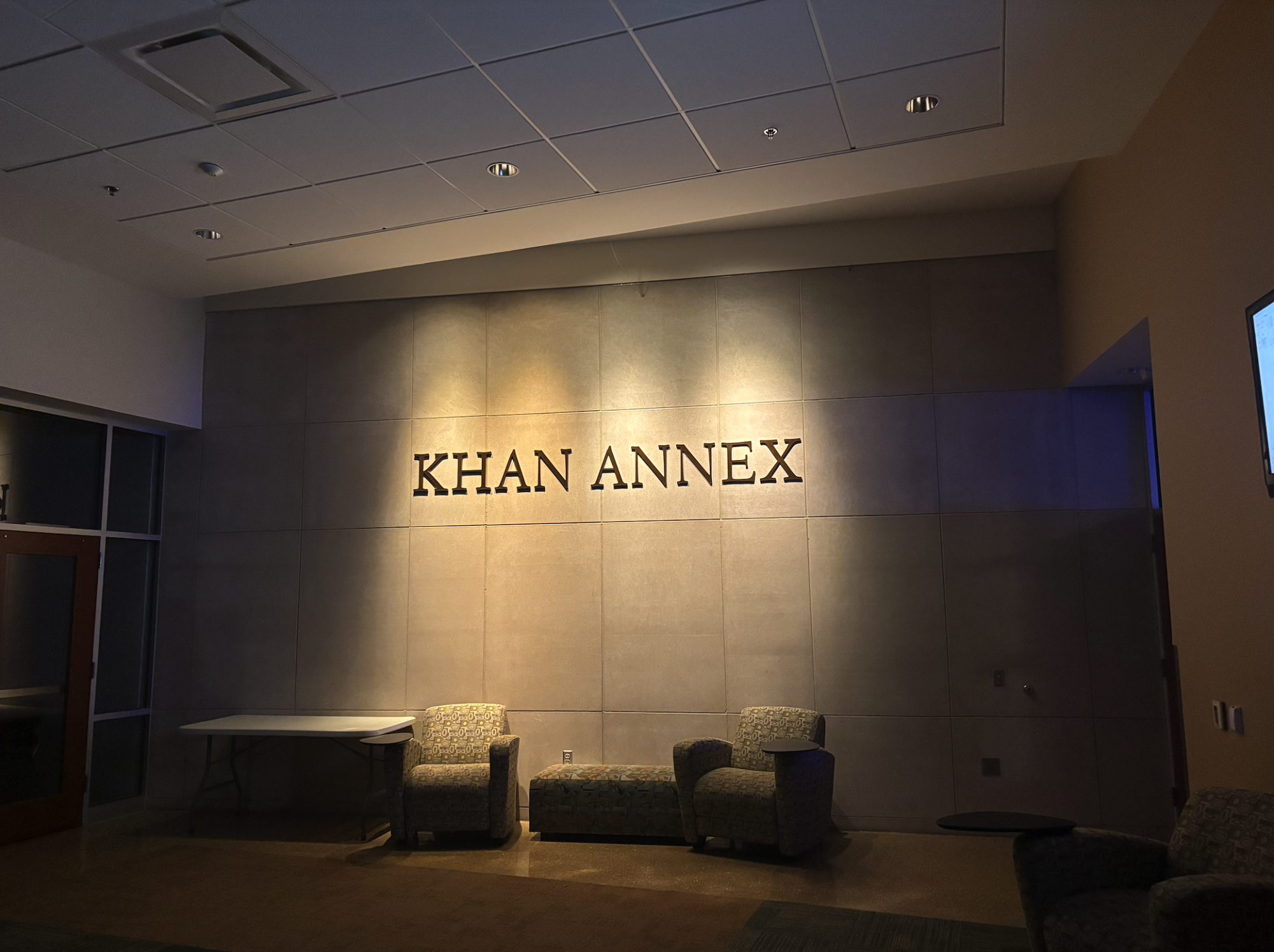
Sept. 22, 2011: Khan and his wife donated $10 million to the College of Applied Health Sciences for a 24,000 square foot expansion to Huff Hall, dedicated as the Khan Annex.
March 10, 2012: Employees at Urbana’s Flex-N-Gate division — sometimes referred to as Guardian West — rallied to draw attention to the “plight” of the site’s workforce.
Employees asked for the company to “provide better working conditions and stop union-busting efforts,” according to Socialist Worker.
The article continued, detailing multiple other issues staff had with the site.
“Management has not provided employees with the basic safety equipment to deal with adverse health effects from exposure to hexavalent chromium,” the article reads. “The instructions provided on safe handling of this chemical are close to non-existent and far from adequate.”
June 14, 2012: In an Occupational Safety and Health Administration news release, the agency wrote of Flex-N-Gate having “nine serious safety and health violations for failing to monitor workers’ exposure to nickel, chromium, hydrochloric acid and sulfuric acid while cleaning electroplating tanks at the company’s bumper manufacturing plant.”
Aug. 7, 2012: OSHA opened a case against Flex-N-Gate in Urbana, resulting in one “serious” violation. This marked the fifth separate set of penalties to the location since 2011, with the 14 total violations costing the company $76,700 in fines.
Jan. 17, 2013: In an HD meeting, Andreas Cangellaris, then-HD Chair and professor in Engineering, “noted that he had received a call from the Chancellor’s Office regarding possible consideration of this year’s commencement speaker for an honorary degree,” according to the meeting minutes.
“The Committee may need to meet in early February to consider this nomination,” the minutes read.
Feb. 5, 2013: Cangellaris held an HD meeting on short notice. Then-Chancellor Phyllis Wise had chosen Khan to be the Spring 2013 commencement speaker, and Michael Bragg, interim dean of The Grainger College of Engineering, had recently nominated Khan for an honorary degree.
Khan is listed in the meeting minutes as having received the following University accolades:
- Distinguished Alumnus Award in 1999 from the Department of Mechanical Science and Industrial Engineering
- Alumni Award for Distinguished Service in 2006 from the College of Engineering
- Distinguished Service Award in 2005 from the Alumni Association
Other relations Khan had to the University were also listed:
- Served on Carle Foundation Board
- Served on Board of Visitors of the College of Engineering
- Served on University of Illinois Foundation Board
- CEO of Young Presidents Organization since 1990
Local organizations Khan was listed as having supported were as follows:
- Crisis Nursery
- The Urbana Free Library
- Champaign Public Library
- Festival of Trees
- Krannert Center for the Performing Arts
- University Library
- College of Business
- Funded five professorships in the College of Applied Health Sciences
Feb. 22, 2013: HD held another meeting, with Cangellaris saying that the “main purpose” of the meeting was to vote on Khan’s nomination. The committee approved the nomination, sending its recommendation with three letters of support forward to the Senate for its vote.
March 4, 2013: Cangellaris brought Khan’s nomination to the Senate for vote. During its discussion and voting, the Senate remained in executive session, allowing it to remove all members of the public and discuss the nomination in private.
After nearly an hour of debate, senators voted to send the nomination back to HD for further review.
April 13, 2013: The News-Gazette obtained audio from the March 4, 2013 Senate meeting and published it, adding that the Senate was “likely violating the Illinois Open Meetings Act” by entering executive session to consider honorary degree candidates.
In response, then-Senate Executive Committee Chair and professor in ACES Matthew Wheeler told The News-Gazette that “the senate would no longer hold such discussions behind closed doors.”
May 8, 2013: Chair Cangellaris began this HD meeting by telling members that Senate discussions of honorary degree nominations will no longer be held in executive session due to the OMA.
Cangellaris added that he would further discuss how keeping the meetings public would affect the honorary degrees process with both Wheeler and the next SEC chair. In response, HD members discussed whether any process changes would need to be made.
“It was questioned if the process should be changed so the nominee can make the decision of having their nomination discussed at a public meeting or if they would prefer to not be considered for the award,” the minutes read.
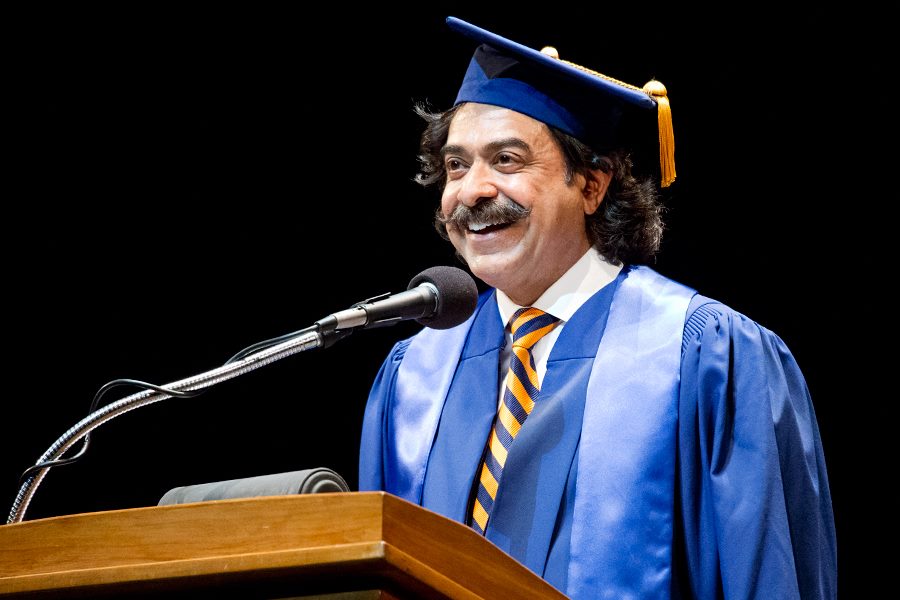
May 12, 2013: Khan addressed the University’s graduating class, telling graduates to “consider the harder road.” According to The News-Gazette, there were about a dozen demonstrators from multiple groups protesting Khan outside the State Farm Center ceremony on graduation day.
Nov. 19, 2013: At this HD meeting, it was noted that Bragg was no longer at the University, meaning a new nomination letter would have been needed to proceed with Khan’s honorary degree. After discussion, Khan was removed from consideration.
May 4, 2015: The Seventh Senate Review Commission — an iteration of the group of students and faculty who review the Senate’s overall structure, committees and operations — submits its final report.
In it, members recommend “a different approach, consistent with the Open Meetings Act, be considered for determining honorary degree recipients. The current system has the potential to be highly embarrassing to individuals who often are completely unaware that they are being vetted for such an award.”
The portion of the Statutes referencing honorary degrees and the public Senate vote on honorary degree candidates would remain unchanged from this point onward despite the review commission’s recommendation.
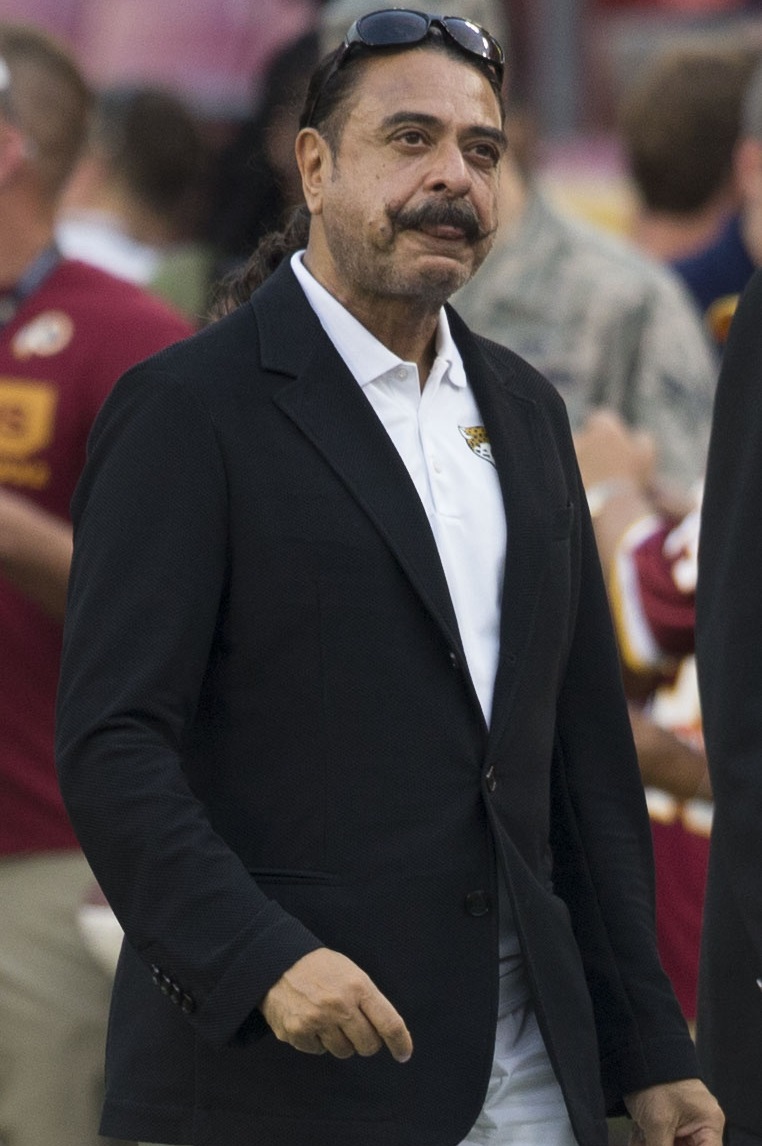
Sept. 9, 2022: Khan and his family donated $15 million to the College of Veterinary Medicine’s oncology program, and when put together with the University’s matching funds, marked the largest donation in Veterinary Medicine’s history.
Sept. 24, 2024: Khan is nominated for an honorary degree once again, this time by four University deans: Rashid Bashir, Engineering; Cheryl Hanley-Maxwell, AHS; Brooke Elliott, Business; and Peter Constable, Veterinary Medicine.
According to the meeting minutes, HD members “noted the strength of the nomination packet,” and the “rarity” of having four deans submit one nomination.
Nov. 4, 2024: HD met and approved Khan’s nomination, slating it for a vote during the following Dec. 9, 2024 Senate meeting. HD received five letters of recommendation for Khan, including ones from NFL Commissioner Roger Goodell, President and CEO of the Illinois Manufacturers’ Association Mark Denzler and former UI System President Robert Easter.
Dec. 9, 2024: At the Dec. 9, 2024 Senate meeting, Bashir, one of the four deans who nominated Khan, spoke highly of the businessman’s “tremendous world-changing impact.” He also encouraged senators to do “detailed research” on Khan, as Bashir said he himself had, before voting.
In response, senators brought up concerns over Flex-N-Gate’s history of OSHA violations and employee rallies. Records show Flex-N-Gate Corporation’s Urbana location alone saw 17 OSHA violations between 2010 and 2020.
Bashir responded by acknowledging Flex-N-Gate’s total $3.9 million in penalties, including violations and lawsuits, over the last 25 years and comparing it to other manufacturing companies.
“Since 2000, their total penalties were $3.9 million,” Bashir told the Senate. “Intel, that we all use in our computers all the time, had penalties since 2000 of $112 million. Ford has penalties of $1.1 billion. Tesla has penalties of $100 million.”
In the end, Khan’s degree recommendation resulted in a vote of 37 for and 75 against with 29 abstentions among the senators, failing the nomination.
Dec. 14, 2024: The News-Gazette published an article discussing the rejection, with quotes in favor of Khan from Athletic Director Josh Whitman, then-Chancellor Robert Jones, UI System President Timothy Killeen and former Board of Trustees Chair Don Edwards.
“Khan’s faculty critics ignored their own rules in denying the honorary degree,” Edwards said before requesting an examination of the Statutes.
Whitman told The News-Gazette he was “just really disappointed that our faculty doesn’t see Shahid for what he has been to this university.”
Jan. 23, 2025: SEC member and professor in LAS Charles Roseman gave public comment at a Board of Trustees meeting, clarifying that he was speaking in an “individual capacity as a senator … and not in the name of the Senate.” He said the Senate was justified in its decision to deny Khan, as it “followed the rules” and was not given a convincing argument.
Jan. 27, 2025: Killeen addressed the SEC in its annual meeting with the system president. During this meeting, attendees discussed multiple ideas surrounding honorary degrees.
“It seems to me that it would be a heck of a lot better if we could consider honorary degree proposals under an exclusion from the Open Meetings Act,” said George Friedman, professor emeritus and former presiding officer of the Senate. “To do that, we’ve got to get the law changed, and I would like to see us begin the work to get that law changed.”
Other senators, such as Roseman, said they think honorary degrees should be removed entirely.
“I have very serious reservations about giving out degrees that aren’t merited by substantial work … it diminishes the degrees that we give out to students who have put quite a bit of their soul and tears into earning them,” Roseman said. “It also seems to be an invitation for trouble, and recent events seem to have proven correct on that.”
Jan. 29, 2025: State Sen. Chapin Rose (R-Ill.), who received a Bachelor of Science in political science from the University in 1997 and a Juris Doctor in 2000, introduced a series of bills related to higher education. One of the bills would have given each university’s board of trustees sole power over honorary degree awarding. The bill was referred to assignments and did not advance further.
Feb. 3, 2025: Jones comments on the honorary degree process at the University at an SEC meeting, according to meeting minutes.
“Chancellor Jones commented on what he considers a flawed honorary degree process and the recent failed honorary degree nomination,” the minutes read. “There cannot be a system that would embarrass someone for recognition they did not ask for. Not all awardees are alumni, and not all are donors. It is critically important that this process is thought about differently and no honorary degrees should be awarded until this process is bettered.”
March 20, 2025: Killeen provided an update to the honorary degree review process at a Board of Trustees meeting. Killeen said that he asked each of the three Chancellors to review their processes, as each University had a different process for awarding its honorary degrees.
“Each Chancellor has been engaging with University Counsel — Scott Rice and colleagues — to collect procedural and historic information related to honorary degree nominations,” Killeen said. “Chancellor Jones has put the awarding of honorary degrees at Urbana-Champaign on hold while the process now underway at his university plays out.”
On this same day, The News-Gazette published an article saying that Jones had put honorary degrees “on hold” at the University, and that Jones and the Senate will find ways for nominees to be considered “in confidence.”
“We don’t want to expose people we are hoping to honor to public conversations about them, but we must follow all relevant regulations,” said then-Associate Chancellor for Strategic Communications and Marketing Robin Kaler to The News-Gazette.
April 16, 2025: At this HD meeting, HD Chair and professor in ACES Prasanta Kalita “reported that, following the failure of the motion to approve the honorary degree award for Shahid Khan at the December 9, 2024 Senate meeting, the University has begun a review of the honorary degree award process specifically in regards to the Illinois Open Meetings Act.”
The minutes continue, elaborating that Jones requested Jon Hale, then-chair of the SEC, to pause honorary degree award nominations.
“(Jones) noted the desire to avoid future incidents of negative discussion regarding a nominee publicly at the time of the Senate discussion, so a possible revision to OMA that would allow nominations to be discussed in closed session is being pursued,” the minutes read.
Hale, now an HD member, later told The DI in an Oct. 21 interview that Jones “expressed deep concern about things that were said, or that candidates were discussed like that,” regarding the Senate’s denial of Khan’s honorary degree in December 2024.
Hale added that Jones only ever requested the review from him verbally, and not in any formal or official capacity. As such, Hale believes HD and the Senate could still recommend candidates to the Board of Trustees for honorary degrees, should the committee wish to do so.
Aug. 25, 2025: During an SEC meeting, SEC Chair and professor in ACES Angela Lyons mentioned the creation of an “Ad Hoc Committee on the Honorary Degree Awards Process.” If approved by the Senate, this committee would be in charge of reviewing the honorary degree process and reporting back to the SEC on how it can be improved.
Lyons also brought up the creation of the Ninth Senate Review Commission — also known as SR9 — which would review the Senate as a whole.
The ad hoc committee “coincides with the Commission but is proposed as a separate body to avoid the focus of the Commission becoming the honorary degree process,” according to the meeting minutes.
After a few edits to the proposals, the SEC approved both the committee and commission, sending them for vote at the following Senate meeting, Sept. 15.
Sept. 8, 2025: Lyons justified her decision behind wanting to create a new ad hoc committee at an SEC meeting.
“Regardless of how we might feel about particular candidates, none of us wants a process that risks publicly embarrassing someone who’s been nominated,” Lyons said. “That situation doesn’t help any of us, and it’s reasonable that we want to have a better procedure and a better process.”
Sept. 11, 2025: HD held its first meeting of the academic year. Kalita began the meeting by noting the “importance of confidentiality throughout the process,” according to the meeting minutes.
Lyons attended the meeting. She provided information to HD members regarding SR9 and the ad hoc committee on honorary degrees, and recommended that no more honorary degree nominees be sent to the Senate until the ad hoc committee’s review is complete.
“The directive to the ad hoc committee is to discuss a better way to process honorary degree awards while protecting the privacy of the nominees,” the minutes read. “Lyons reminded HD members that the nominees have not asked to be nominated and discussed in a public meeting.”
Sept. 15, 2025: At a divided Senate meeting, Lyons brought SR9 and the ad hoc committee to the Senate for vote. In introducing the committee, she stressed the importance of candidate privacy while staying within the bounds of the OMA.
Some senators, however, maintained that the Senate was not in the wrong for voting down Khan’s nomination.
“We did self-governance, and we voted that (Khan) shouldn’t receive an honorary degree,” said Camille Cobb, professor in Engineering. “So I wouldn’t call that a mishap. I’m confused about your characterization of it as such. So, in my view, that was actually a prime example of academic freedom and self-governance.”
Hale voiced similar concerns, emphasizing administrators’ requests for process changes.
“(The Board of Trustees) seemed to be directing the Senate on how to act because they weren’t happy with how this Senate voted,” Hale said. “I’m concerned that, if we do this for the Board now, and we surveil ourselves and police ourselves when the Board is upset with us, what are we going to do when bigger issues come up this year?”
In the end, the ad hoc committee was rejected via a vote tallying 48 in favor and 95 against. Senators approved SR9’s creation with a different vote at the meeting.
Oct. 6, 2025: In the following SEC meeting, Lyons brought the drafted proposal for SR9, and — to the apparent confusion of some SEC members — its charge letter included a section specifically dedicated to honorary degrees, with an earlier recommendation submission date than the other parts of the Senate review.
David Dalpiaz, then-University statutes and senate procedures committee chair and professor in Engineering, asked for clarification about giving SR9 the responsibility.
“I wasn’t aware that was what was happening,” Dalpiaz said. “The Senate voted down the ad hoc committee, but I didn’t necessarily understand that to mean that it would fall to the review commission.”
In response, Lyons said the honorary degree process had to be reviewed. She continued by saying that, because of the Senate’s rejection of the ad hoc committee, the responsibility is delegated to SR9.
“I stated that in two SEC meetings,” Lyons said. “I stated that in the comments as the chair that day when (senators) voted that we have to do a review of this … I couldn’t have been more clear about that.”
Oct. 13, 2025: At this Senate meeting, senators expressed disagreement with Lyons and the SEC’s choice to include honorary degree process review as a separate item in SR9’s task list.
“We’re effectively cutting and pasting what the Senate voted down,” said Brendan Harley, research policy committee chair and professor in LAS. “I’m trying to understand how that sits in the context of ‘we’ and shared governance and working together, because it seems like something that overrode all that we did here.”
In return, Lyons defended her decision and said she would not change the charge letter. Harley continued, saying he didn’t remember Lyons informing the Senate that voting down the ad hoc committee would mean the commission took the task.
After more back and forth with senators, Lyons acknowledged her perceived lack of specificity in tasking the commission with the review.
“If I poorly communicated that, my apologies to the Senate,” Lyons said. “But it was what it was.”
When a senator asked why nominee discussion isn’t currently private, Lyons said the OMA prevents it, but added that the Senate and commission members are “smart” and can find “solutions” to the OMA.
“We cannot go into closed session for this,” Lyons said. “I will tell you that we have tried: There has been discussions with (legal) counsel about trying to talk with Springfield about making some changes to that.”
Oct. 20, 2025: In his week nine press conference, Illinois Football Head Coach Bret Bielema said Khan let Bielema use his plane to recruit new members to the team. This is not unique, as Khan has been documented lending the University his plane for recruitment visits for over a decade.
Oct. 21, 2025: At the third HD meeting since Khan’s December 2024 rejection, attendees discussed what to do moving forward, including whether or not HD’s ability to recommend candidates for honorary degrees was truly on pause.
Later in the meeting, HD members approved the creation of a new internal three-member subcommittee. The ad hoc HD committee would be tasked with reviewing the HD process in parallel to SR9’s review and reporting its findings to the SEC.
Having only three members, the OMA would not apply to this group, and thus members would be free to meet and discuss outside of public view.
Oct. 30, 2025: The first SR9 meeting involved an introduction of each member and a broad overview of the work ahead for the commission to complete by its Aug. 1 deadline.
Late into the meeting, attendees began discussing honorary degrees. One member asked what the requirements for going into a closed session are.
“Closed session is off the table,” said Nolan Miller, SR9 chair, SEC member and professor in Business. “Up until 2015 or so, these were done in closed session, and then somebody made an OMA complaint.”
“There are no exceptions to the Illinois Open Meetings Act unless they are written into the act itself,” said Jenny Roether, SR9 member and director of the Office of the Senate. “There are no exceptions — I got it straight from the Attorney General’s office, I have the email saved.”
Another attendee asked about why candidates aren’t informed of their nomination before it’s voted on the Senate floor.
Miller said candidates not knowing they’re being nominated is a choice made by HD, and that there isn’t anything stopping the commission from recommending candidates be asked ahead of time whether they’re okay with being publicly debated.
However, Roether said that HD is not solely responsible for wanting nominees to not be aware of their nominations.
“It’s not all internal HD policy, though,” Roether said. “There’s some informal processes that are followed that are not written down anywhere.”
In response, Miller asked, “Does it come from people that can tell us what we need to — tell us what to do?”
Roether replied in the affirmative.
“Let’s call it external pressures,” Miller said.
In response to a Jan. 26 email request for comment on what the “informal processes” are, Patrick Wade, the University’s director of executive communications and issues management, referred The DI back to members of the Senate.
Miller added that, although the HD meeting minutes don’t include candidate names to preserve privacy, it may become harder to keep potential nominees anonymous during HD meetings going forward as the press has become interested in honorary degrees since the second time senators denied Khan.
“I went to the HD meeting last week,” Miller said. “There was a reporter from The Daily Illini there. I imagine that the time when that committee was going to meet without the press in the room may have passed — and they discuss (nominees) by name.”
Nov. 13, 2025: Franci Miller, committee support staff for HD, provided more information to SR9 on the University’s current honorary degree process as a guest at its second meeting.
She referenced a nomination “several years ago” in which the Board of Trustees rejected a Senate-approved nomination. After this, a preapproval process was added in which the nomination is sent to the Chancellor, then UI System President and finally the Board of Trustees before being added to the Senate agenda for vote.
“SR9 considered whether the current wording of the Statutes requires a vote by the full Senate or if it would be consistent with the Senate creating some other process to recommend candidates,” the minutes read. “Campus counsel will be consulted regarding the proper interpretation of the Statutes. Chair Miller noted that changing the Statutes could be challenging and lengthy.”
Nov. 20, 2025: Wheeler, the SEC chair during Khan’s first nomination, gave more personal information about the twice-dismissed nominee — saying that he “knows” Khan — while attending SR9’s third meeting as an invited guest.
“(Khan) is disappointed,” Wheeler said. “But he has got $14 billion. He doesn’t really give a rat’s ass what the University of Illinois does. His wife does though, right? She cares. Because she’s deeply invested in this place … and I’ve heard things like, ‘Well, you can’t buy an honorary degree.’ Well, don’t go there, because I can give you at least two examples recently where that happened.”
Wheeler also said that Khan had addressed all of the issues that were brought up in his first nomination, and that the second nomination was presented poorly. Lastly, Wheeler said “someone” decided the two honorary degree candidates for conferral in Spring 2026 aren’t going to go forward to the Senate.
Wheeler did not reply to a Jan. 25 email request for comment.
Dec. 4, 2025: In SR9’s fourth meeting, members considered more specific ways they might change the current honorary degrees process, with the goal of “proposing improvements to the process that strengthen candidate vetting, protect privacy, and uphold the role of the Senate in recommending candidates,” according to the meeting minutes.
The proposals fell into three pathways: keeping the full Senate vote, allowing a different group to vote on nominees and removing honorary degrees entirely.
If the full Senate vote is to be kept, attendees suggested rewording the current Statutes to be more specific toward honorary degrees than the current “poorly written and confusing” half sentence, separating the Statutes’ guidance on honorary degrees into its own section.
If no Senate vote is needed, members wondered if a smaller committee with Senate representation could be made that doesn’t fall under OMA, such as the already existing Joint Advisory Committee on Investment, Licensing, and Naming Rights.
If honorary degrees are eliminated, an alternative form of recognition could be determined by each campus instead.
No matter which path is ultimately chosen, it’s likely to require at least a full Senate vote to be passed. If the recommended changes take place only at the campus level, the Board of Trustees may not have to be involved.
Dec. 11, 2025: In SR9’s final meeting of the year, Kalita attended and spoke about the current honorary degree process.
Although HD meetings fall under the OMA, Kalita mentioned some measures taken to preserve nominee confidentiality: HD members aren’t allowed to print any meeting materials, and candidate names aren’t listed on meeting agendas nor minutes.
Members discussed with Kalita the aforementioned potential process changes, as well as a new idea involving letting the Board of Trustees and UI System President vet candidates before they are brought to HD.
Jan. 8, 2026: At an SR9 meeting, Miller said he spoke with Hale and Pollyanna Rhee, HD member and professor in LAS and FAA, about HD’s ad hoc internal honorary degree process review, which Hale and Rhee are both members of.
“The ad hoc committee is currently preparing a report on its findings, which is scheduled to be shared with HD at its February 17, 2026, meeting,” the meeting minutes read.
Miller also spoke with Lyons, and they agreed to extend the deadline for SR9’s honorary degree process recommendations to be due to the SEC from Jan. 23 to Feb. 20.
SR9 member and professor in Engineering Jenny Amos provided the following goals for an updated honorary degrees process, per the meeting minutes:
- Provide increased protection and privacy for candidates.
- Ensure that the process follows the criteria and merits of the case without consideration of extraneous materials.
- Shift the burden of nomination and promotion of candidates to units.
Feb. 20, 2026: SR9’s final honorary degree process recommendations are due to the SEC. From here, the SEC will decide which committee to delegate implementation of SR9’s recommendations to.