At its inception, the City of Champaign’s cap, or limit, on the number of bars in Campustown was intended to reduce “the overall number of establishments where students might consume alcohol near campus.”
Today, the city only permits 11 bars in the area, down from 15 in 1993, which the city will reduce to 10 through attrition — a process where the city removes liquor licenses when bars close until the cap is reached.
The cap specifically targets the campus area. It acts as a barrier to market entry for new bars and insulates businesses from fair market competition. It also allows bar owners to subdue competition and gain an unfair advantage over other establishments.
The Champaign City Council should move to eliminate the cap in Campustown.
Once removed, new bars could compete in the market and provide new experiences for students. With an ever-increasing student population, it is time for the city to deregulate and let the market decide how many bars Campustown needs.
Get The Daily Illini in your inbox!
The City Council has said that it wants to limit the number of bars. Yet, it has never provided evidence or reasoning for why such a cap would benefit the area, at least according to reports dating back to the cap’s origin in 1991: City Council bills Nos. 91-219 and Nos. 93-95, shared by TJ Blakeman, economic development manager for the City of Champaign, to The Daily Illini.
Instead, it seems that the city formulated its policy based on an assumption that reducing the number of bars would result in fewer students drinking. However, students continue to widely consume alcohol at apartments and bars, as The DI reported during Unofficial 2025.
Rather than exerting near-total control over bar licenses in Campustown, the city should not meddle with licenses and should let the market follow demand. The City Council acted similarly in 2016 by deregulating vehicle parking in Campustown, a precedent that it should follow now.
Currently, the bars that hold a license are:
- Brothers Bar & Grill
- Green Street Cafe
- Illini Inn
- Joe’s Brewery
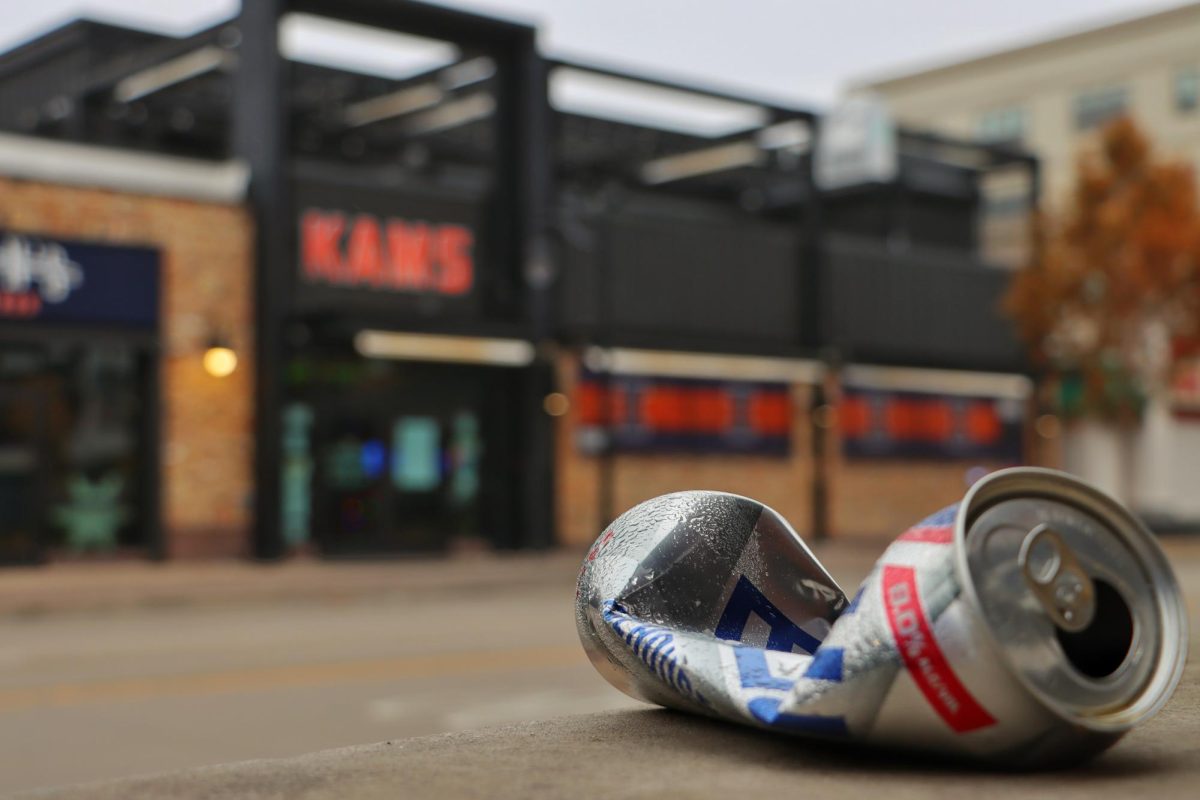
- KAMS
- Legends Bar and Grill
- Murphy’s Pub
- Second Chance
- Stan’s Gridiron
- The Hideout
- The Red Lion
Information regarding Campustown bars with Class A liquor licenses is publicly available, which The DI obtained through the Freedom of Information Act and a business entity search.
Now, the city’s regulation prohibits competition and allows owners to corner the market. This dynamic is apparent by examining the business practices of Scott Cochrane.
He owns four of the 11 licenses: KAMS, Second Chance, Stan’s Gridiron and The Red Lion. Notably, KAMS, Second Chance and Stan’s Gridiron function as one establishment, even though they are three separate “bars” owned by a separate LLC with a unique license — all three of which Cochrane owns.
According to Jeff Hamilton, deputy liquor commissioner for the City of Champaign, one liquor license is enough for multiple serving areas in one building. For example, Joe’s Brewery also has three serving locations but operates under one liquor license.
Cochrane’s use of three LLCs to hold three licenses in one building is not required. However, by doing so, the liquor cap plays to his business’s advantage by allowing him to lower the total number of bars that can compete against him.
With KAMS, Cochrane gets more for less and drives up the value of the licenses, too.
Cochrane procured these licenses from now-closed bars, the Firehaus, The Clybourne and the old KAMS. These licenses could’ve been lost to attrition or given to another owner via a license lottery when they closed. However, to seemingly prevent these from falling into competitors’ hands, he opened the new KAMS in 2020 with the three licenses.
If the cap didn’t exist, then Cochrane would likely have no incentive to stockpile; he could not restrict competition as he does now. The licenses would be freely given.
For example, under the current law, if the owner of Brothers Bar & Grill, Marc Fortney, wanted to open another bar to compete with Cochrane, the 10-license cap prevents Fortney from doing so. If the cap is eliminated, however, the scarcity of licenses lowers, and new businesses can compete.
While the cap might’ve made sense decades ago, today, bars are operating in a protected market that allows no outside competition. It is a policy failure that improperly regulates commerce.
What Cochrane is doing is legal under current law; however, this does not mean that the law is beneficial. Rather, the cap is harmful to healthy competition, and the city receives less sales tax revenue because of it.
This dynamic is further reinforced by the fact that Champaign automatically increases the number of Class A licenses every five years, but it specifically excludes Campustown.
With the cap removed on campus, more businesses could take advantage of new licenses, serve an ever-expanding student population and bring new bars to the nightlife scene.
NBC News reported that “Some Gen Zers are nostalgic for an era of clubbing they didn’t get to experience.” Maybe that’s because there are so few places to dance in Champaign. Maybe there are so few places to dance in Champaign because the city hasn’t allowed a new bar in Campustown since 1991.
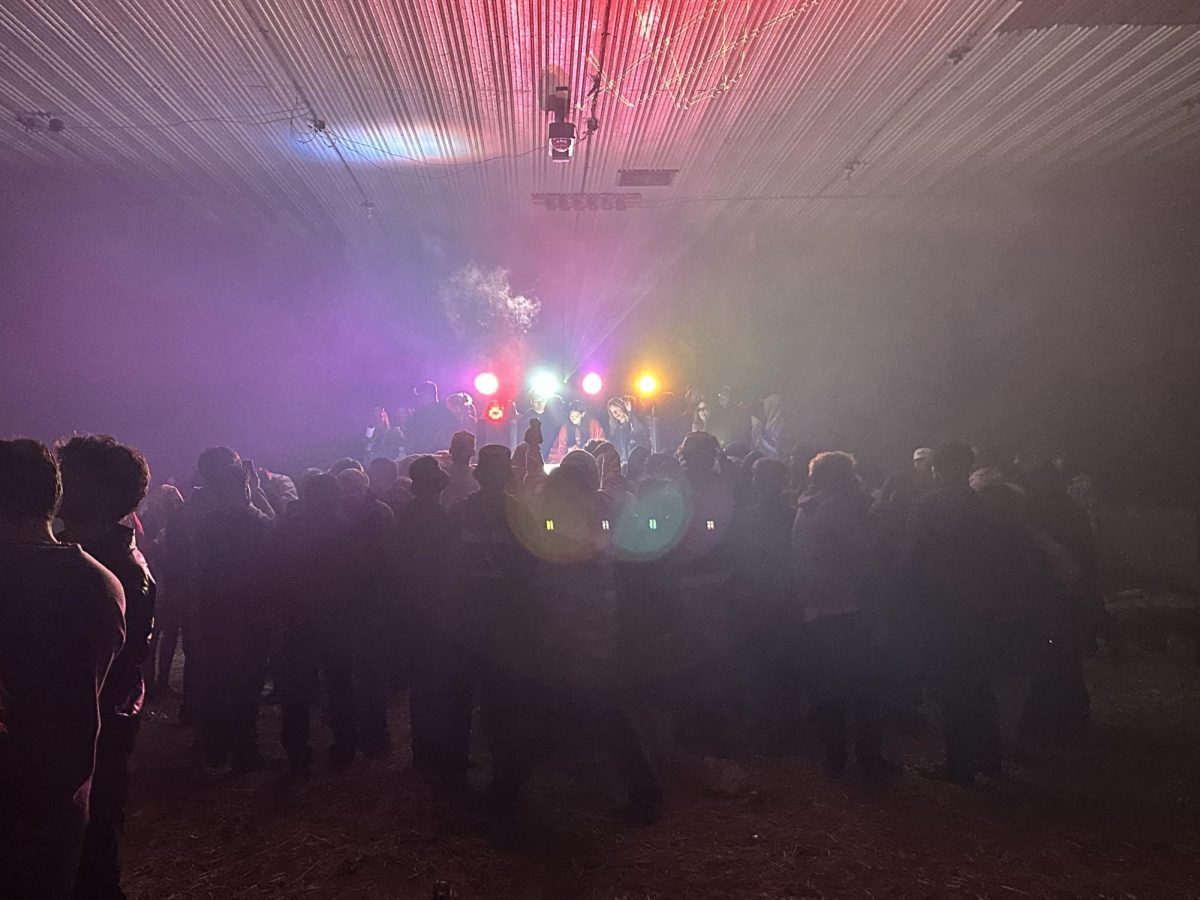
Campustown needs new bars. Not because students should drink more, but rather because bars are competing in a bubble that blocks outside competition and is easily controlled. New bars would result in new experiences and possibly bring back a dancing culture to Champaign.
The City Council has changed the cap before, and it should do it again. However, the council will not act on something that it does not yet know is an issue.
If you wish to share your own opinion on the matter, you can contact your city council member here and Mayor Deborah Frank Feinen, who is also the liquor commissioner, here. The City Council members for Campustown are Bob Pollett (District 2) and Michael Foellmer (District 4).
Joe is a junior in FAA.